The First
The first week of my final year felt like a fresh start. Since it’s the time to begin our graduation project, everyone needs to create something that really shows their own style and personality.
I went through a lot of trial and error. Sometimes my ideas were too big and I got carried away, which made everything fall apart. Other times, I mixed up the purpose and theme of my project, so I didn’t really know what was important and ended up making mistakes. Through many failures, I learned something important. I need to have a clear purpose, keep shaping my direction step by step, and do my best to move toward a stronger and more well-defined goal.
My Purpose
Initial Finding Concept
The topic I finally chose is “noise.” Although it is deeply embedded in our daily lives, it is often seen only as a disturbance or a source of stress. My goal is to use a combination of design and technology to let participants visualize and interact with noise, offering a new way to approach it from an aesthetic perspective.
As a side note, this is the fourth and final topic I’ve chosen so far. Unlike my previous topics, this one will not focus solely on problem-solving but will be carried out based on experimental research and a study of social perception.
Key Insights
My project explores sound as a sensory texture rather than data. Through embodied interaction, participants can physically shape and experience noise, becoming active digital sculptors instead of passive viewers. The goal is to reveal the hidden beauty within everyday noise and transform it into an aesthetic experience.
By engaging with noise in this way, I hope to challenge conventional perceptions and encourage a deeper appreciation for the complex soundscapes that surround us daily.
Visual Documentation
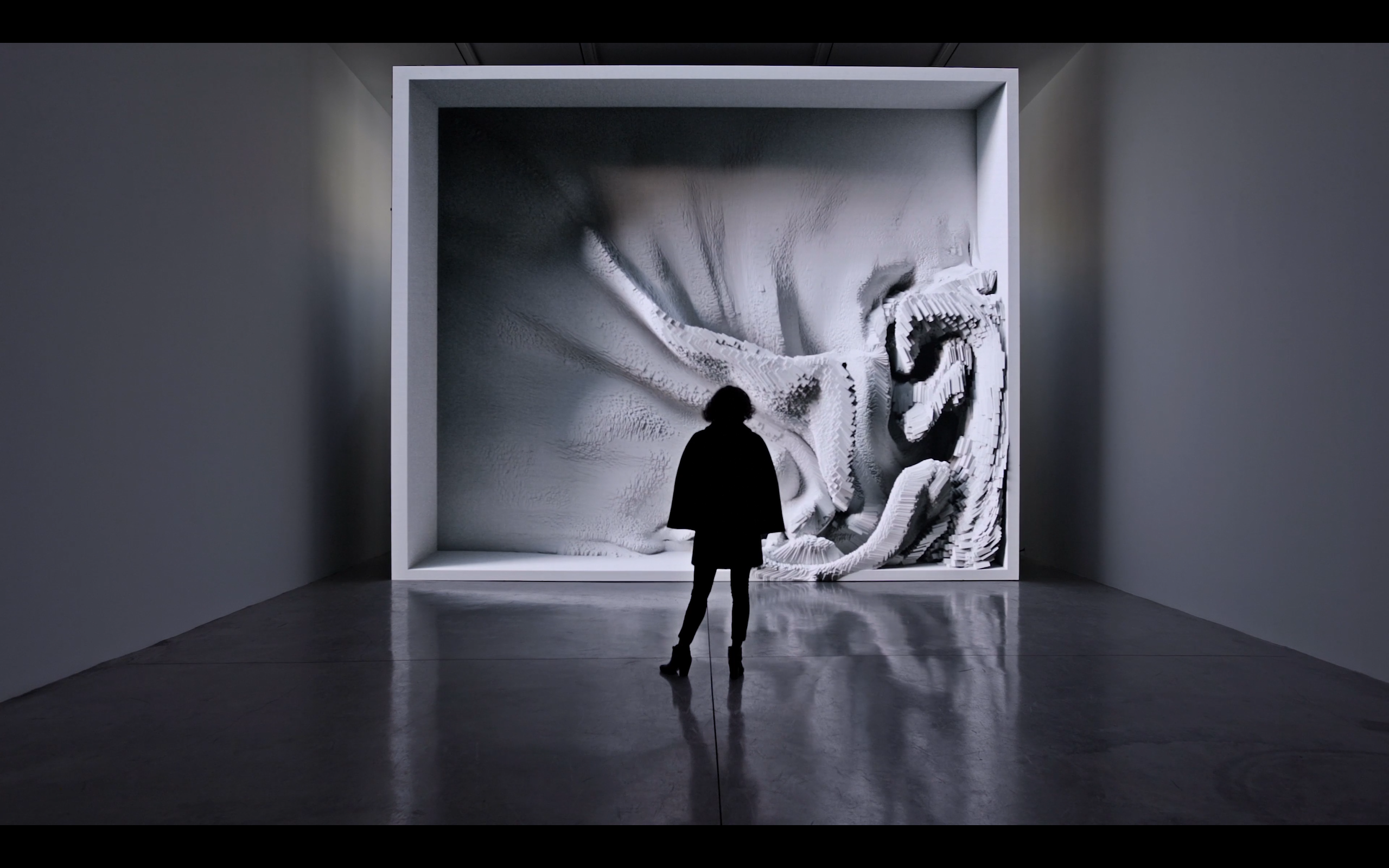
Refik Anadol - Melting Memories
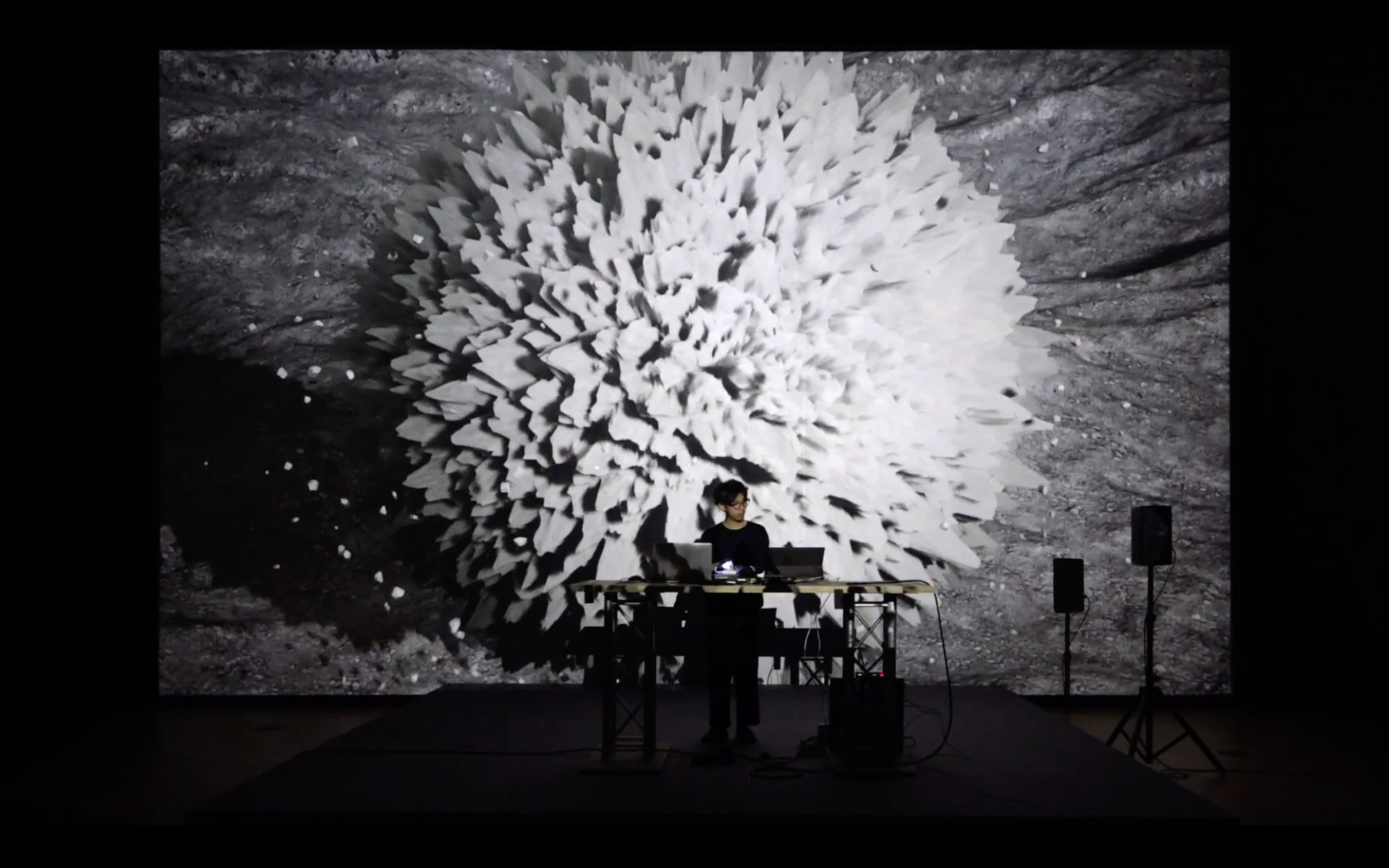
Koh Hui - CONSTRUCT V3
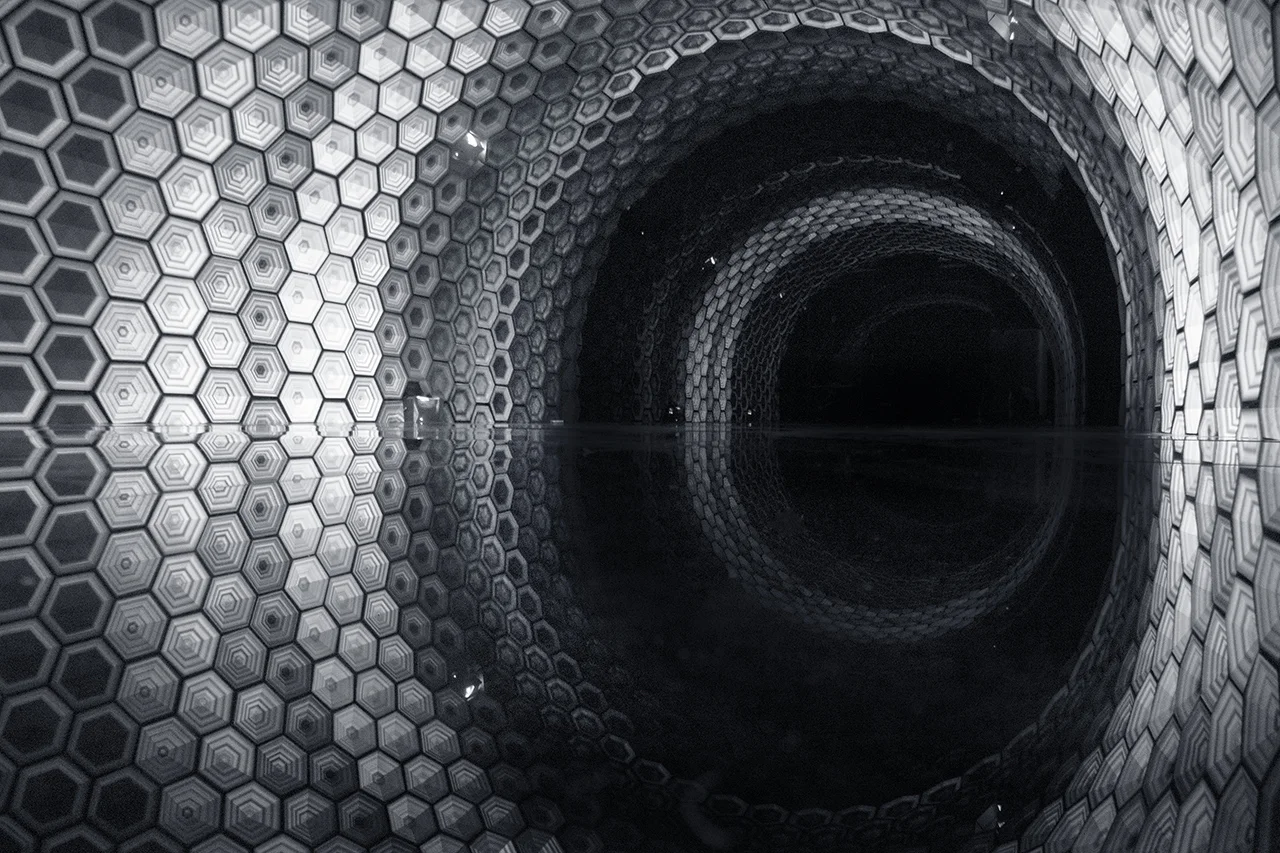
Tundra - MY WHALE
Development Process
Many artists prefer to use particle systems for audio-reactive works. Most of them favor fluid movements and freely flowing abstract forms, which makes perfect sense. After all, sound is a formless and abstract medium, and expressing it through abstract visualization is a way of turning it into art. I saw great potential in this approach, and by studying and referencing several artworks, I began creating my own form of visualized noise.
Conclusion
Through this exploration, I realized that sound visualization is not just about responding to audio but about translating emotion, movement, and atmosphere into visual form. By experimenting with particle systems and audio-reactive techniques, I learned how abstract visuals can capture the intangible qualities of sound. This process helped me find my own visual language one that transforms everyday noise into a poetic and immersive experience, bridging the gap between hearing and seeing.