Overview
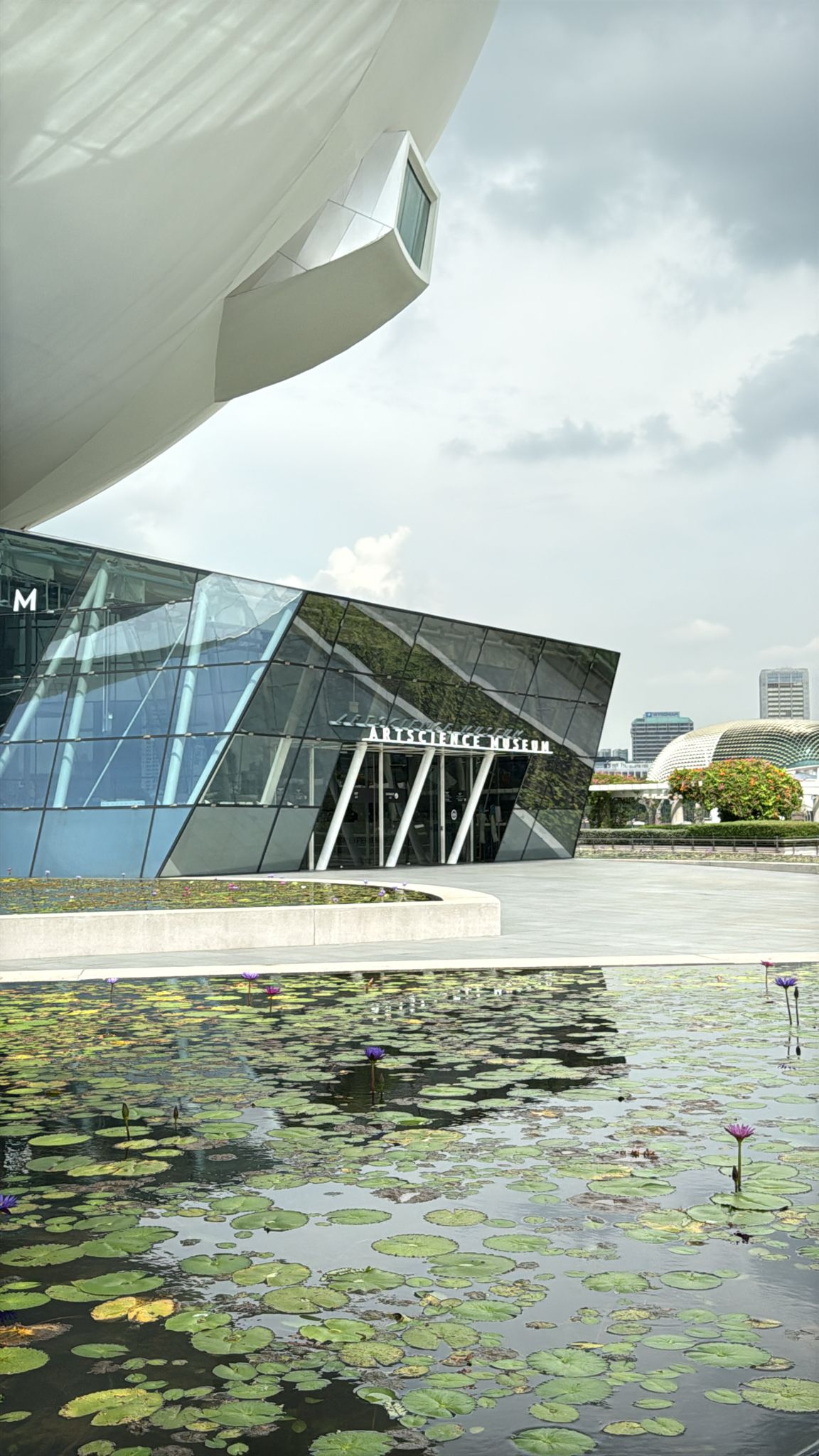
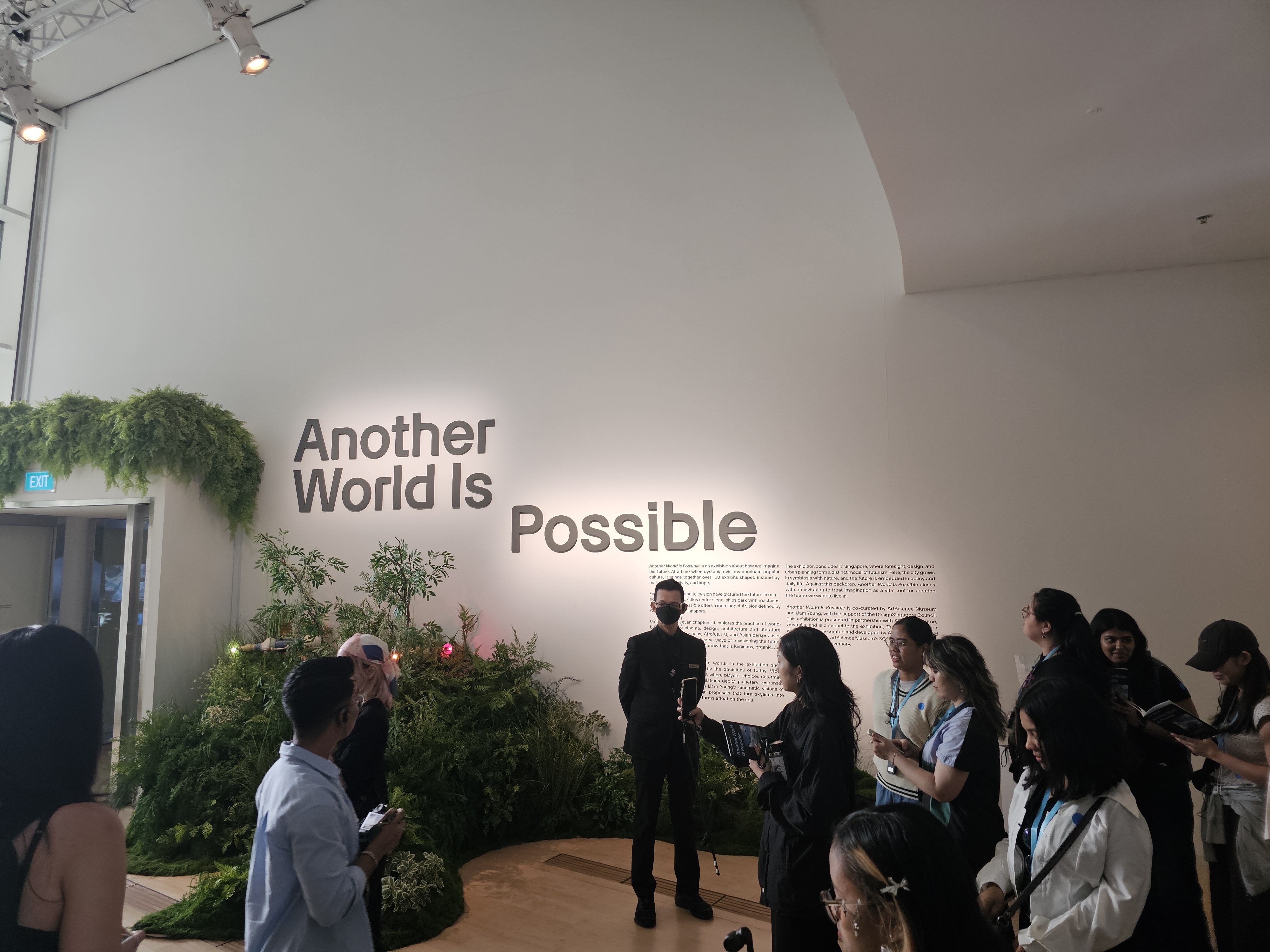
Week 9 took the class to Marina Bay ArtScience Museum to experience "Another World is Possible," an exhibition showcasing how artists and designers imagine alternative futures. This field visit provided crucial context for understanding how interactive installations communicate complex conceptual ideas to diverse audiences.
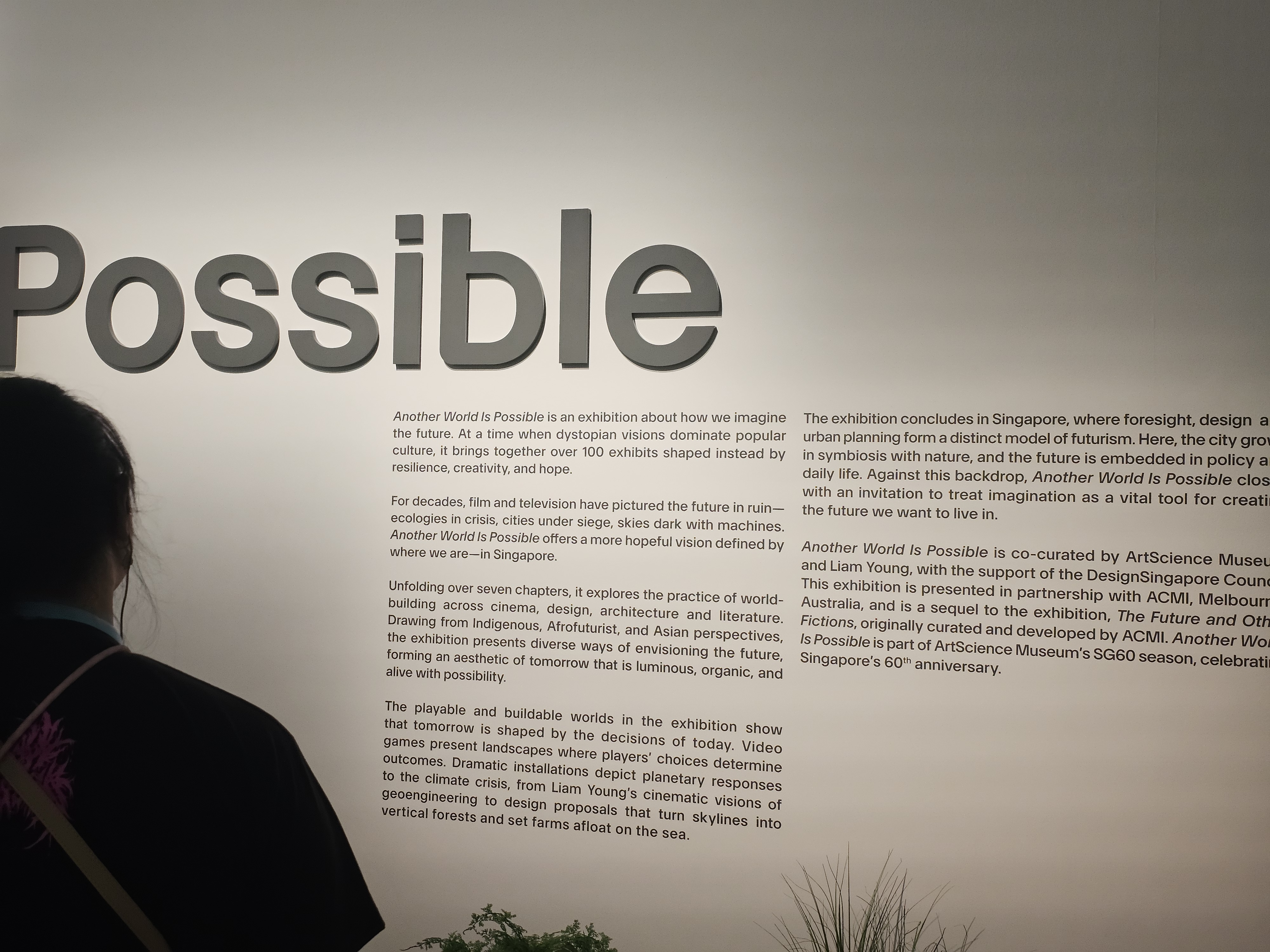
The exhibition challenged conventional dystopian narratives about technology and future societies, instead presenting hopeful, creative, and resilient visions. This perspective shift had direct implications for how I approach the "Shape of Noise" project's exhibition strategy and message.
Challenging Dystopian Assumptions
My Default Future: Dystopia
When I personally think about the future, I often imagine dystopian worlds dominated by corporate power and technological controllike the settings of Divergent, Maze Runner, or Ultraviolet. These films portray the future as cautionary tales, warning against the loss of individuality and freedom.
This reflexive pessimism isn't uncommon. Popular culture has conditioned us to view technological advancement with suspicion, to assume that innovation inevitably leads to dehumanization, surveillance, and control. The narrative arc is familiar: technology promises liberation but delivers oppression.
The Exhibition's Counter-Narrative
"Another World is Possible" deliberately subverts this dystopian default. Through works filled with hope, creativity, and resilience, the exhibition demonstrates that alternative and hopeful visions are not naivethey are necessary. The artists and designers showcased don't ignore technological challenges or societal problems; instead, they imagine how design thinking can address them constructively.
This shift from warning to imagination, from critique to proposal, resonated deeply with my project. "Shape of Noise" similarly seeks to transform something typically perceived negatively (urban noise) into something aesthetic and meaningful. The exhibition validated this approach: reframing problems as creative materials rather than obstacles to overcome.
Exhibition Documentation
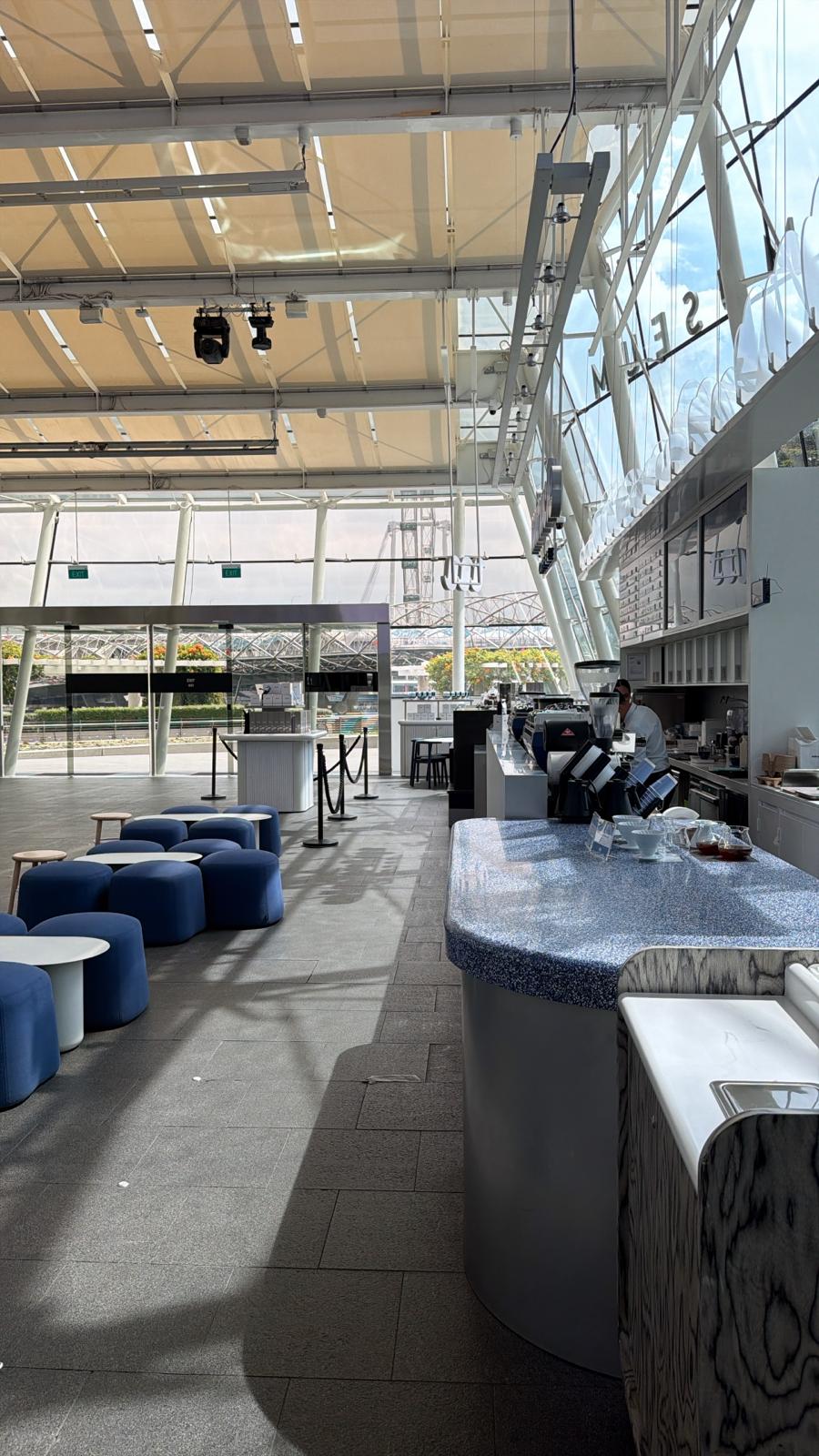
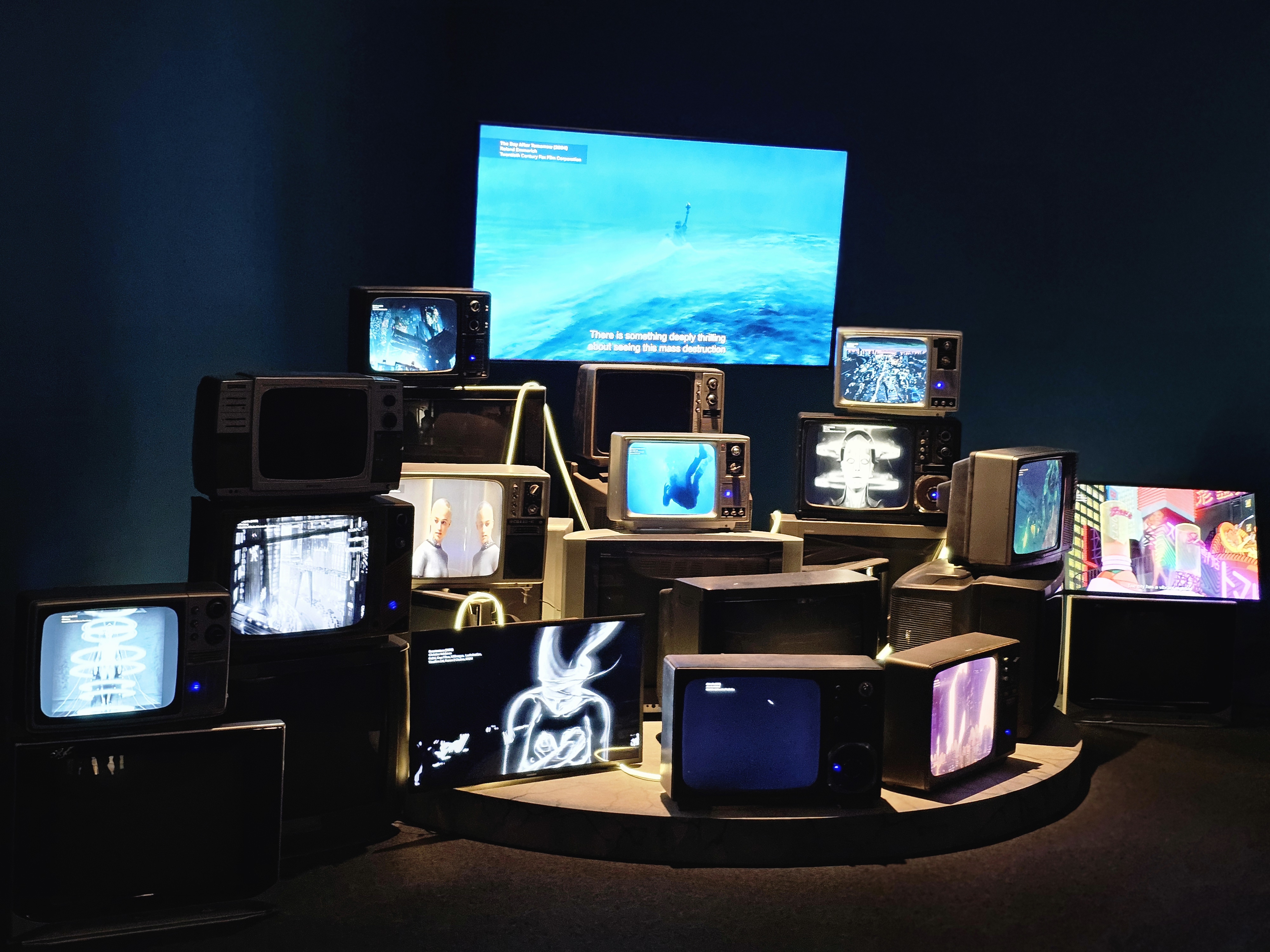
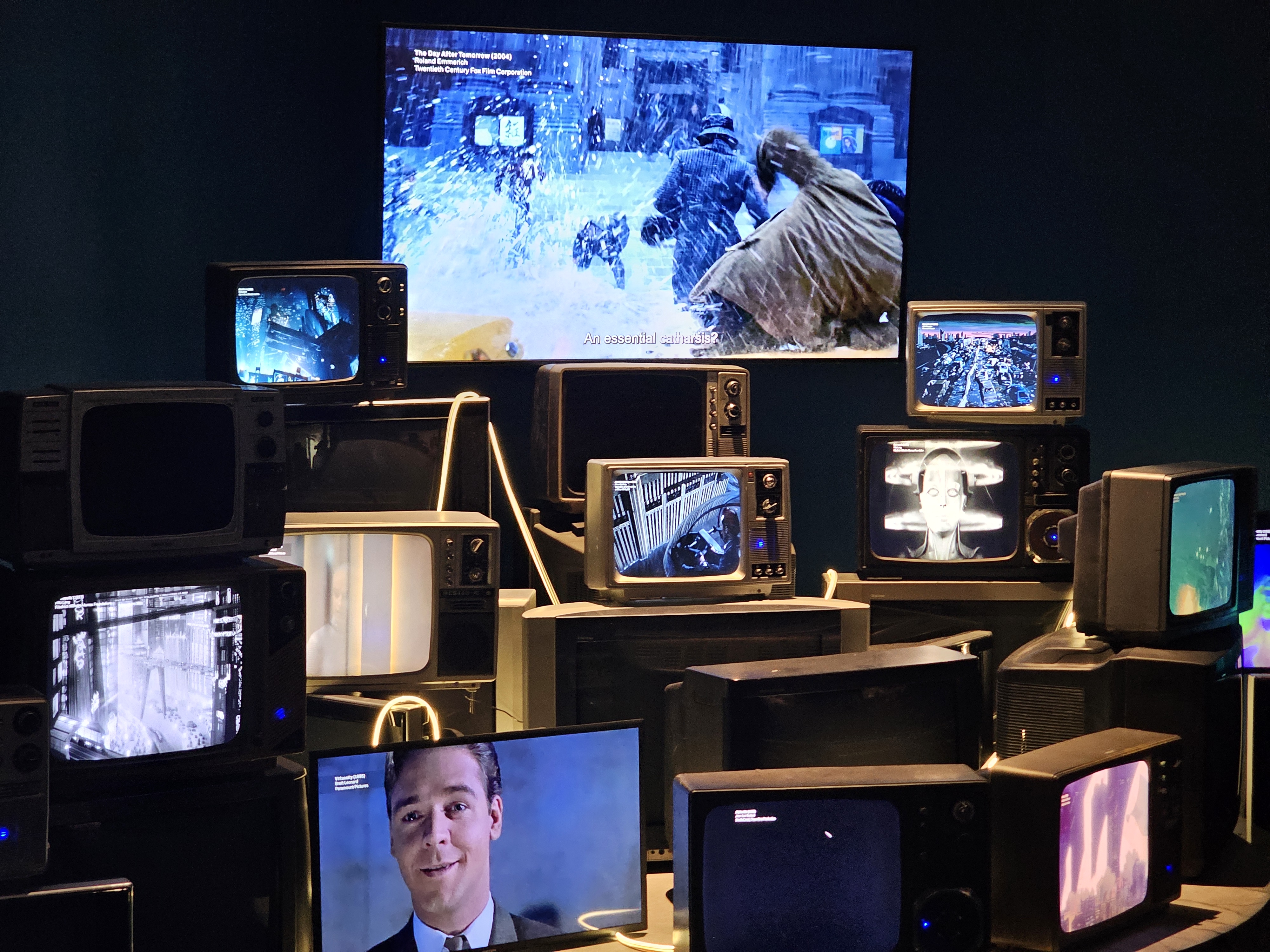
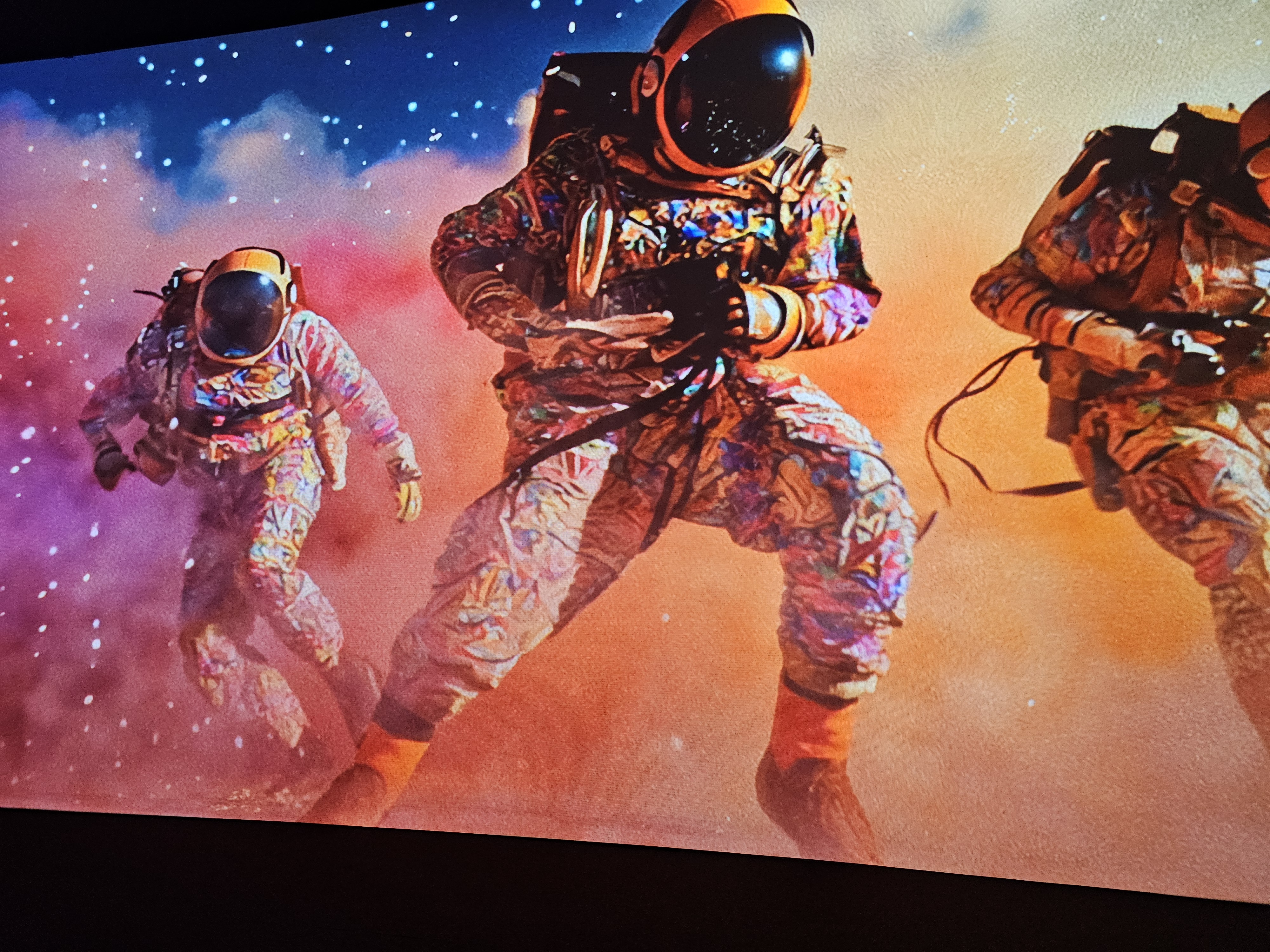
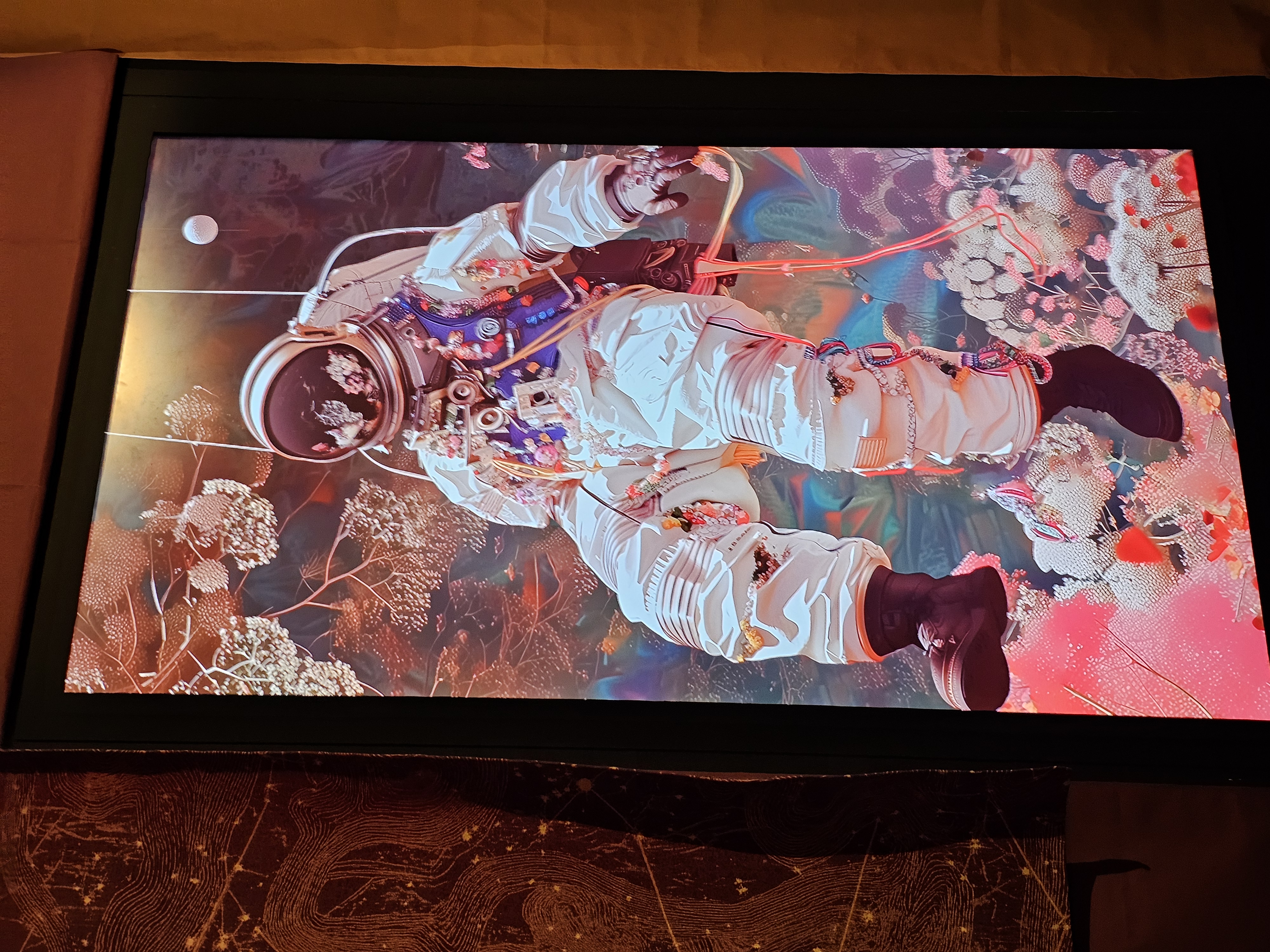
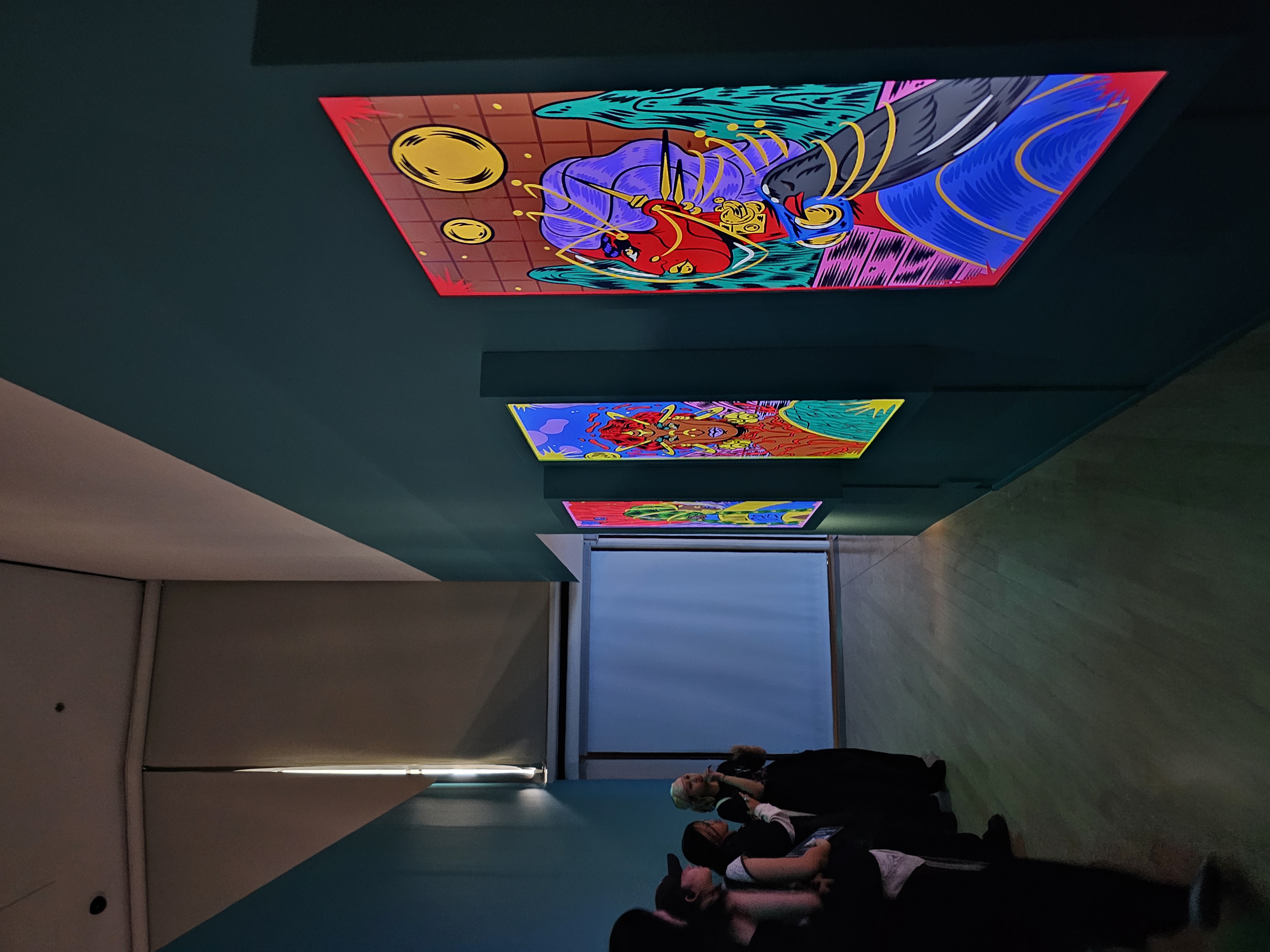
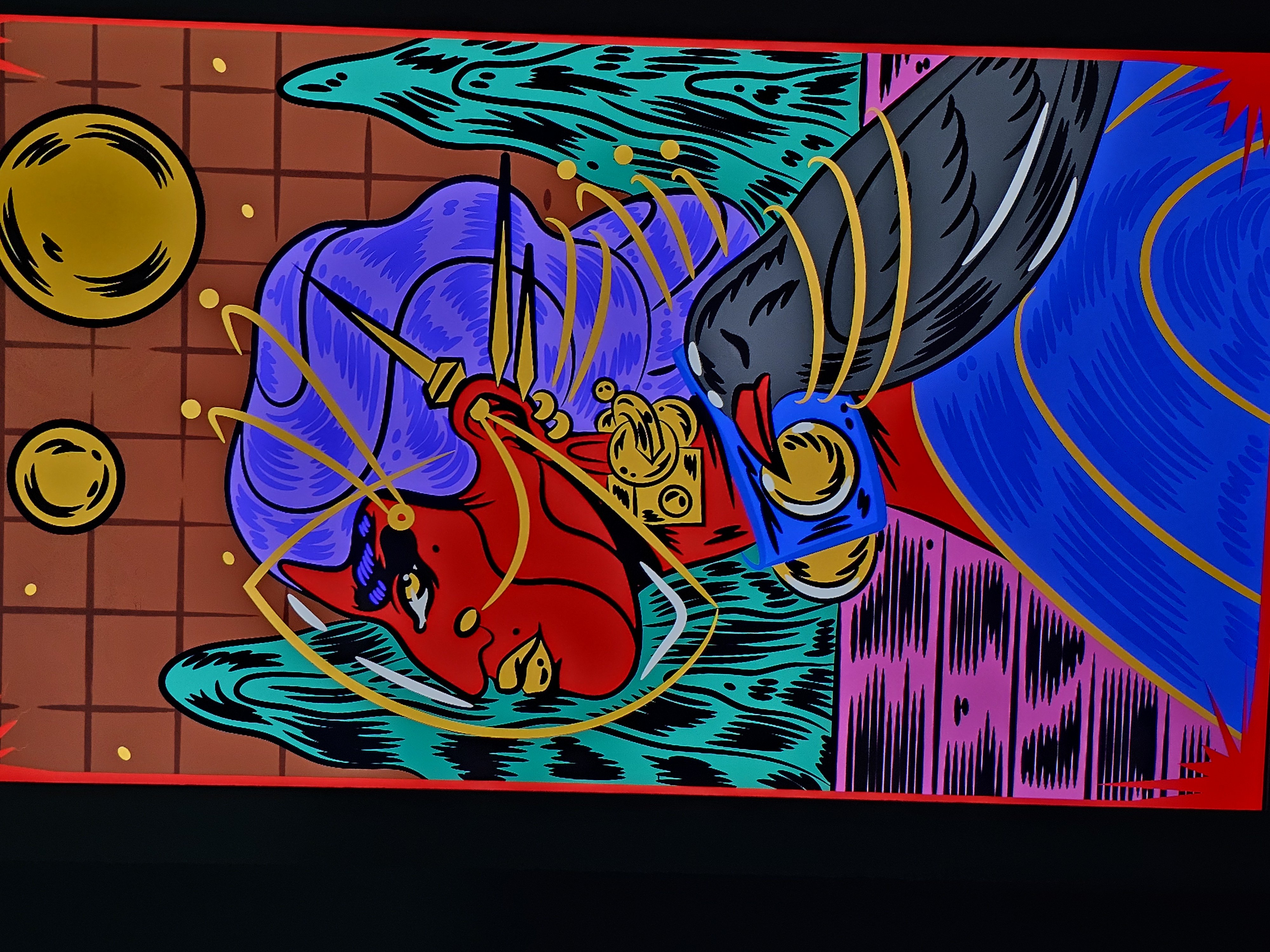
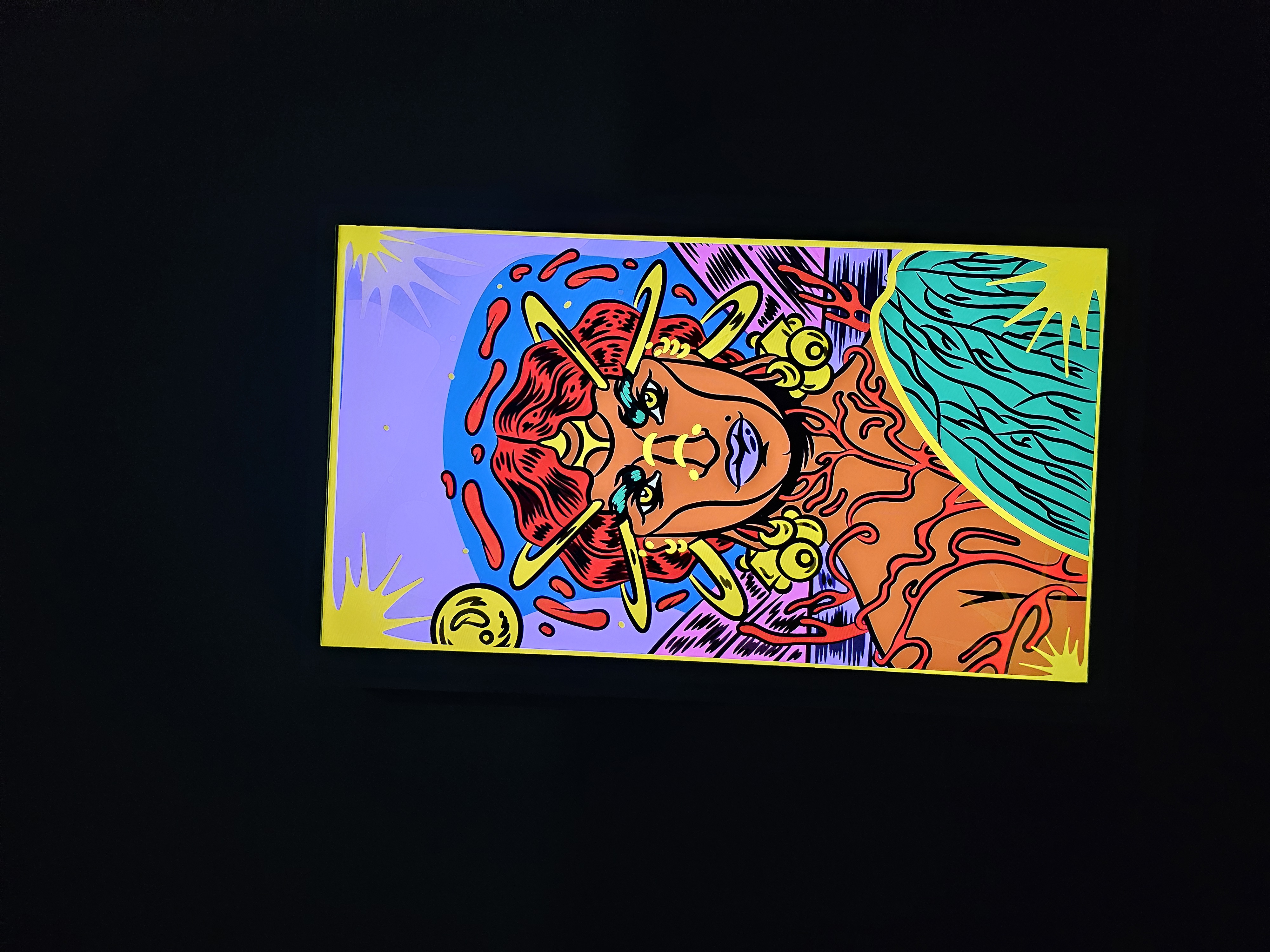
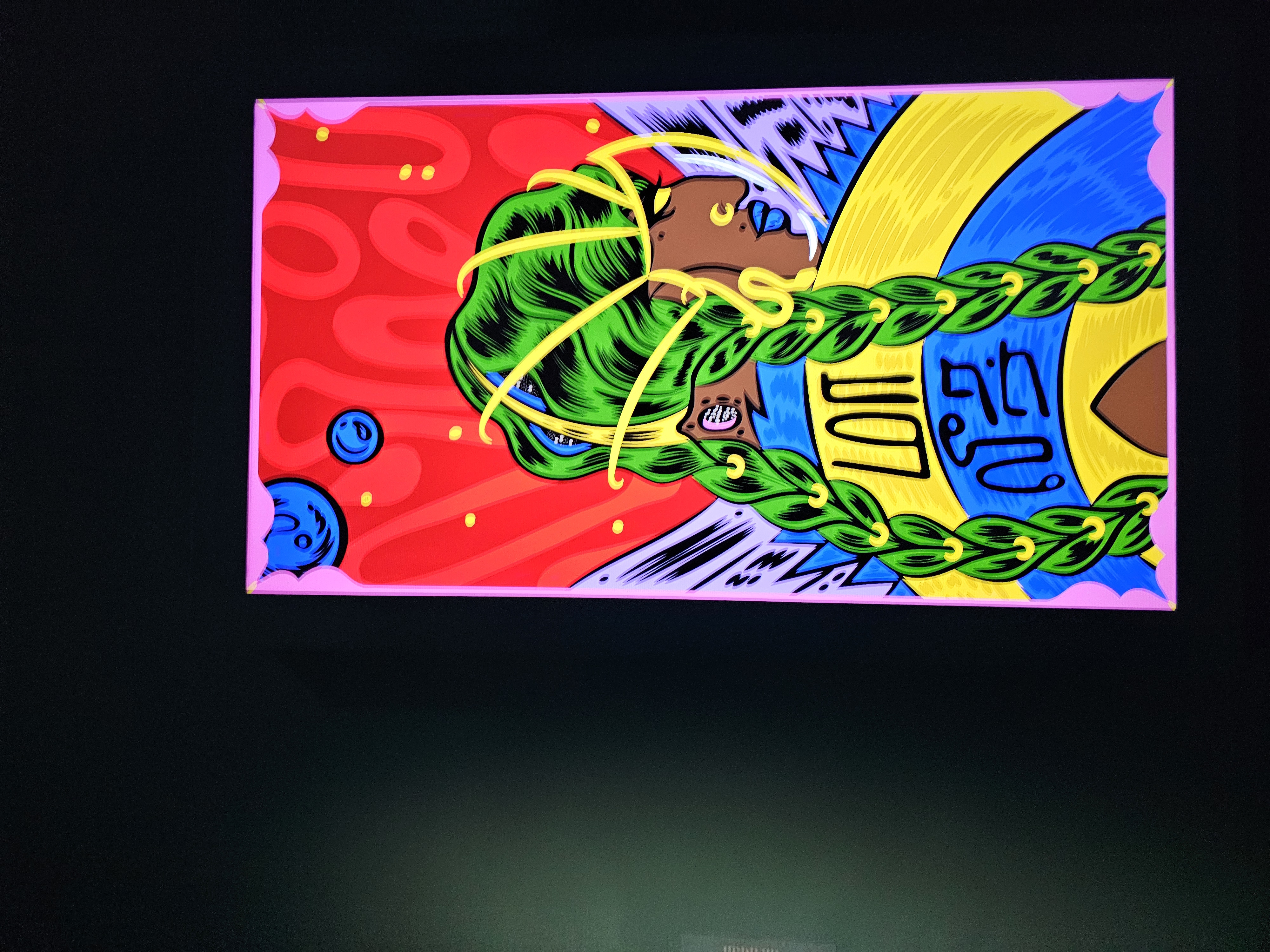
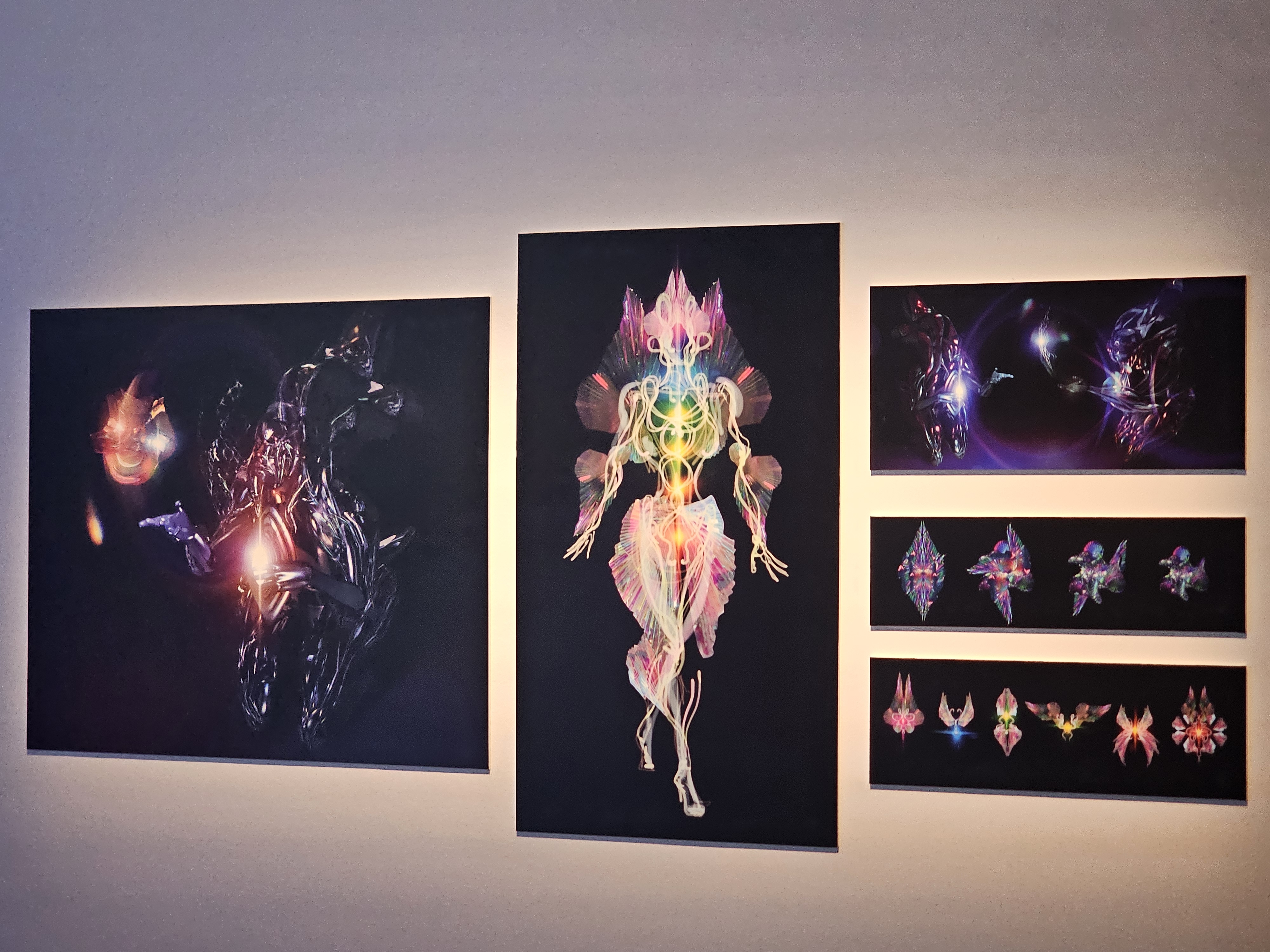
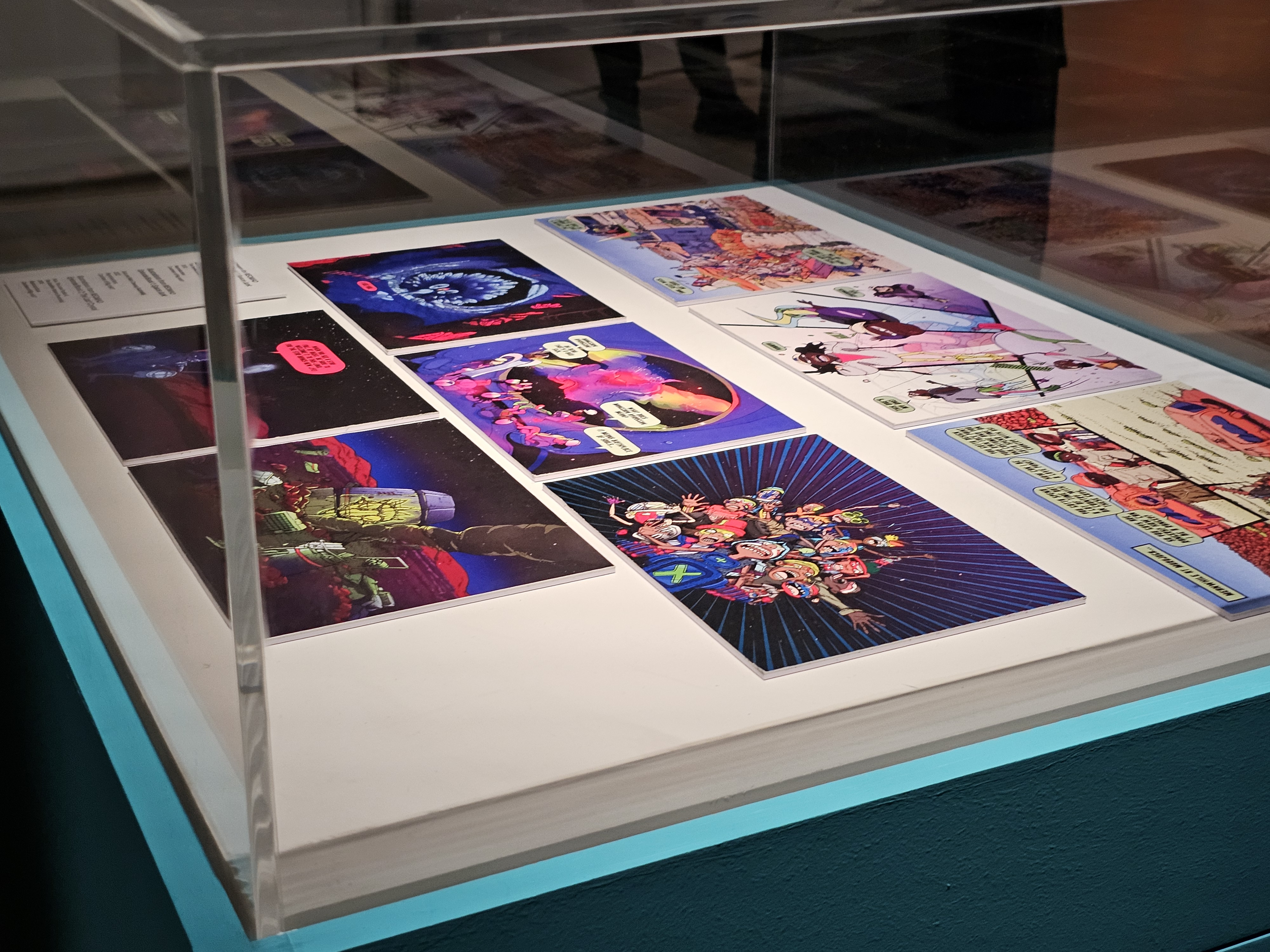
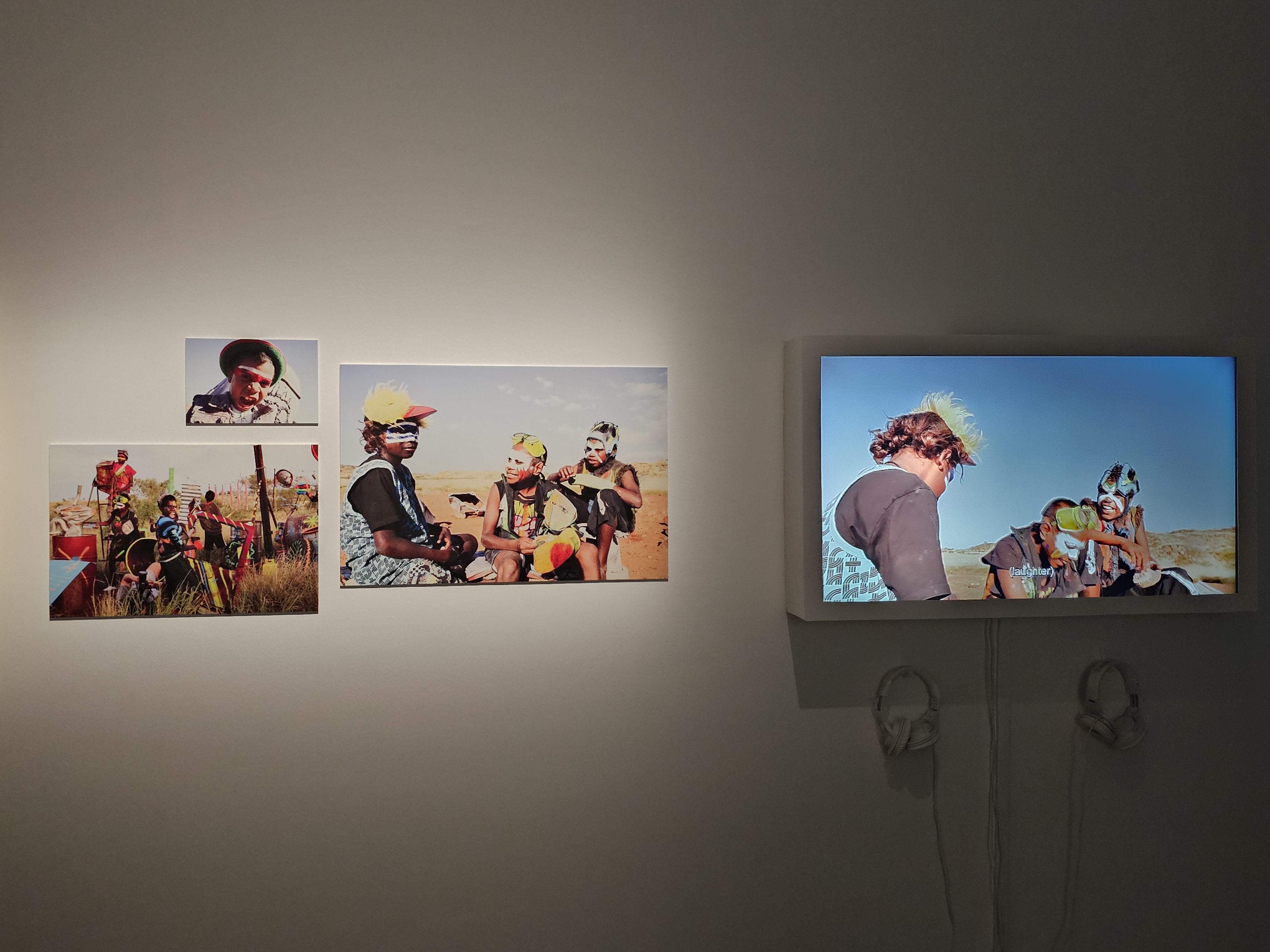
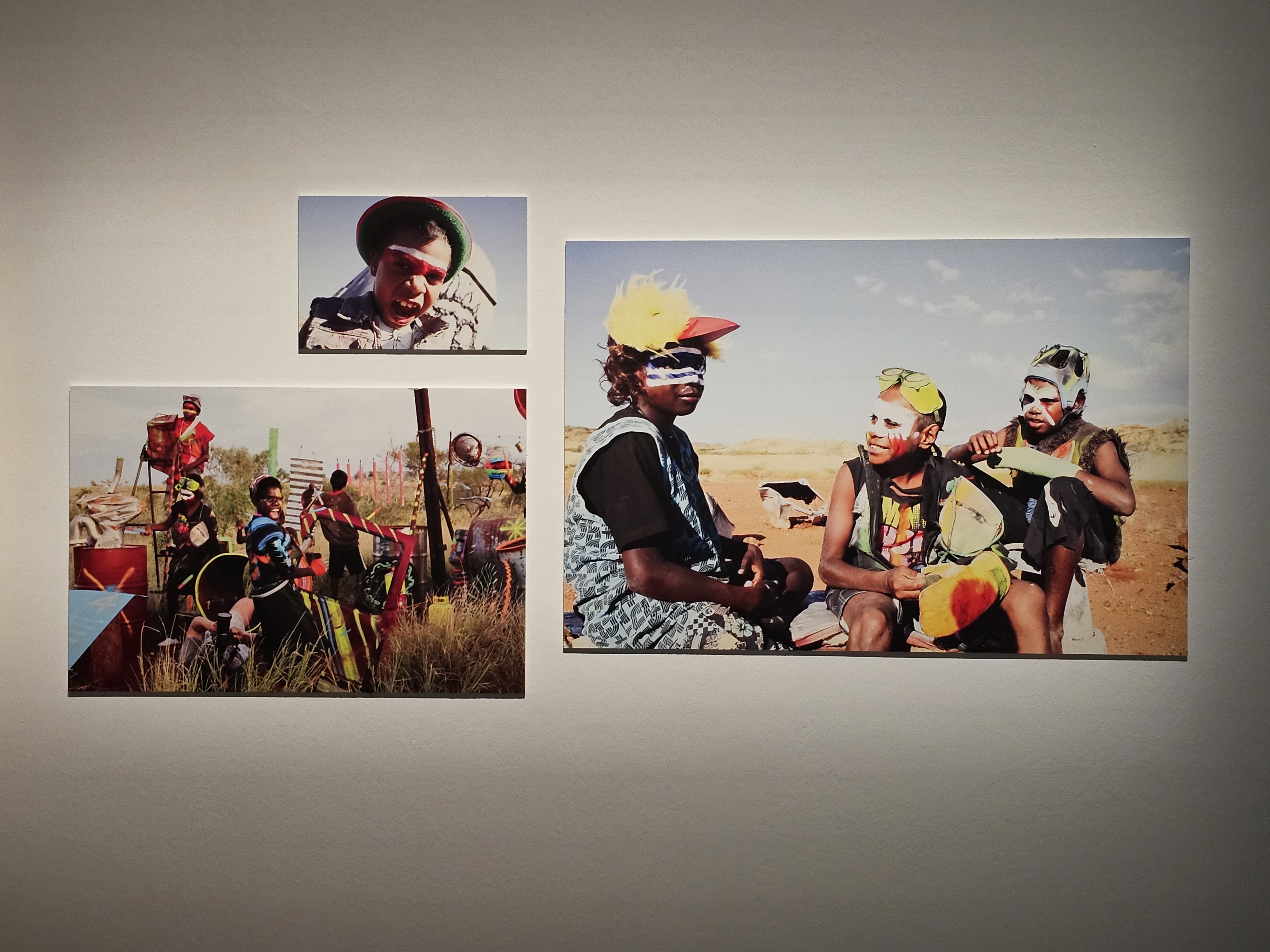
The "Another World is Possible" exhibition featured diverse works exploring themes of hope, resilience, and creative innovation. Below are visual documentation from the museum visit, capturing key installations and conceptual frameworks that informed the project's development.
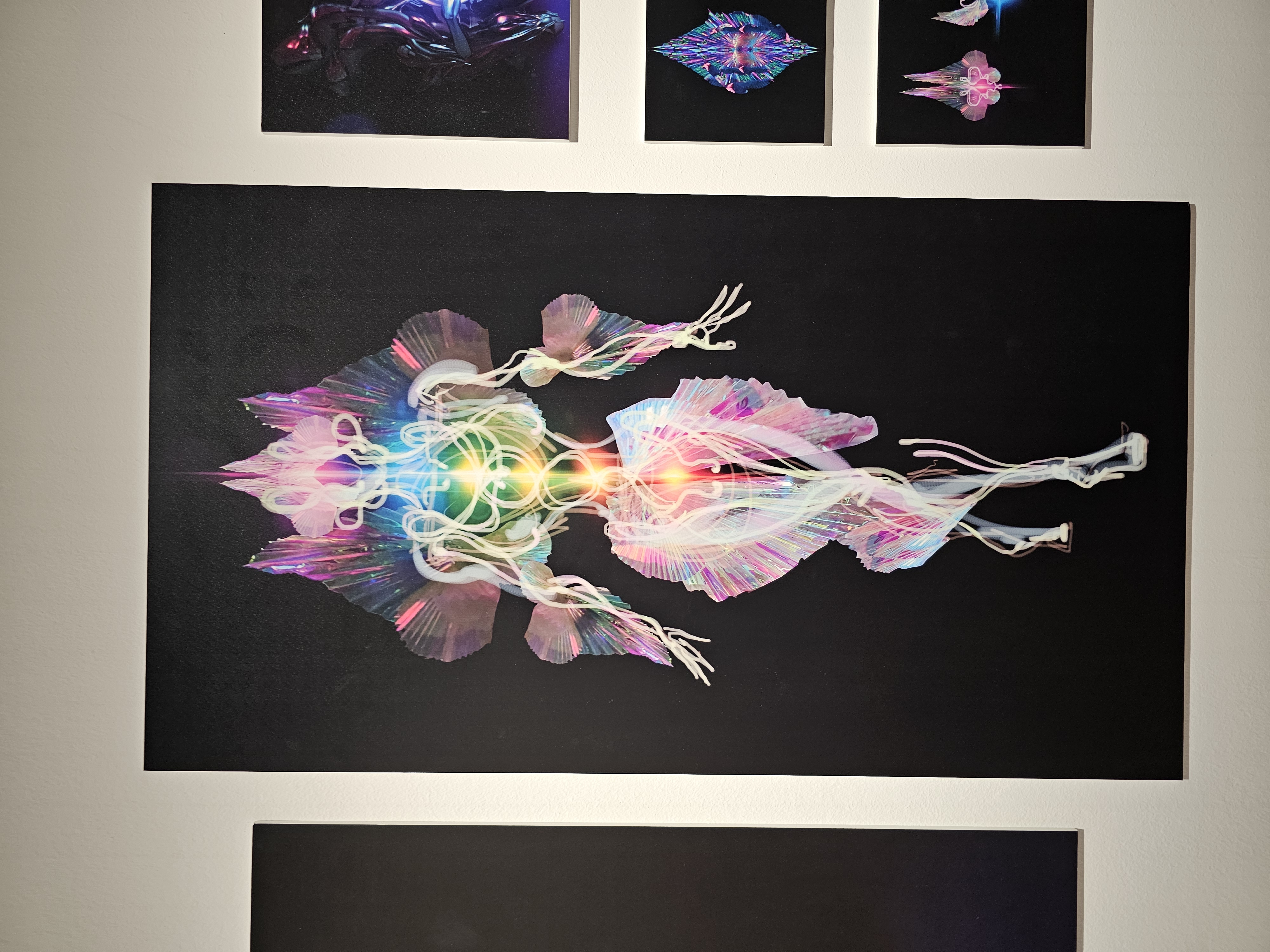
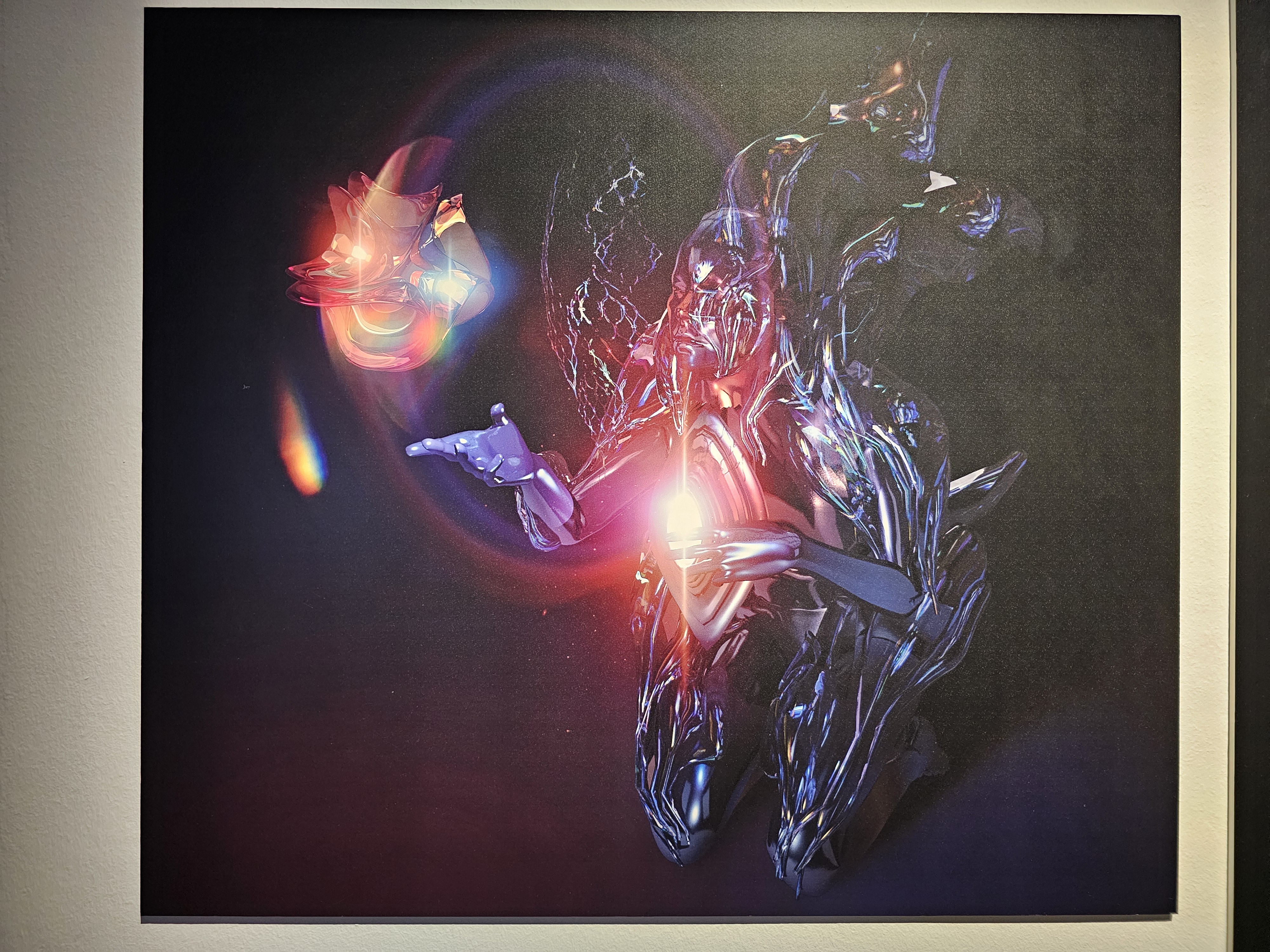
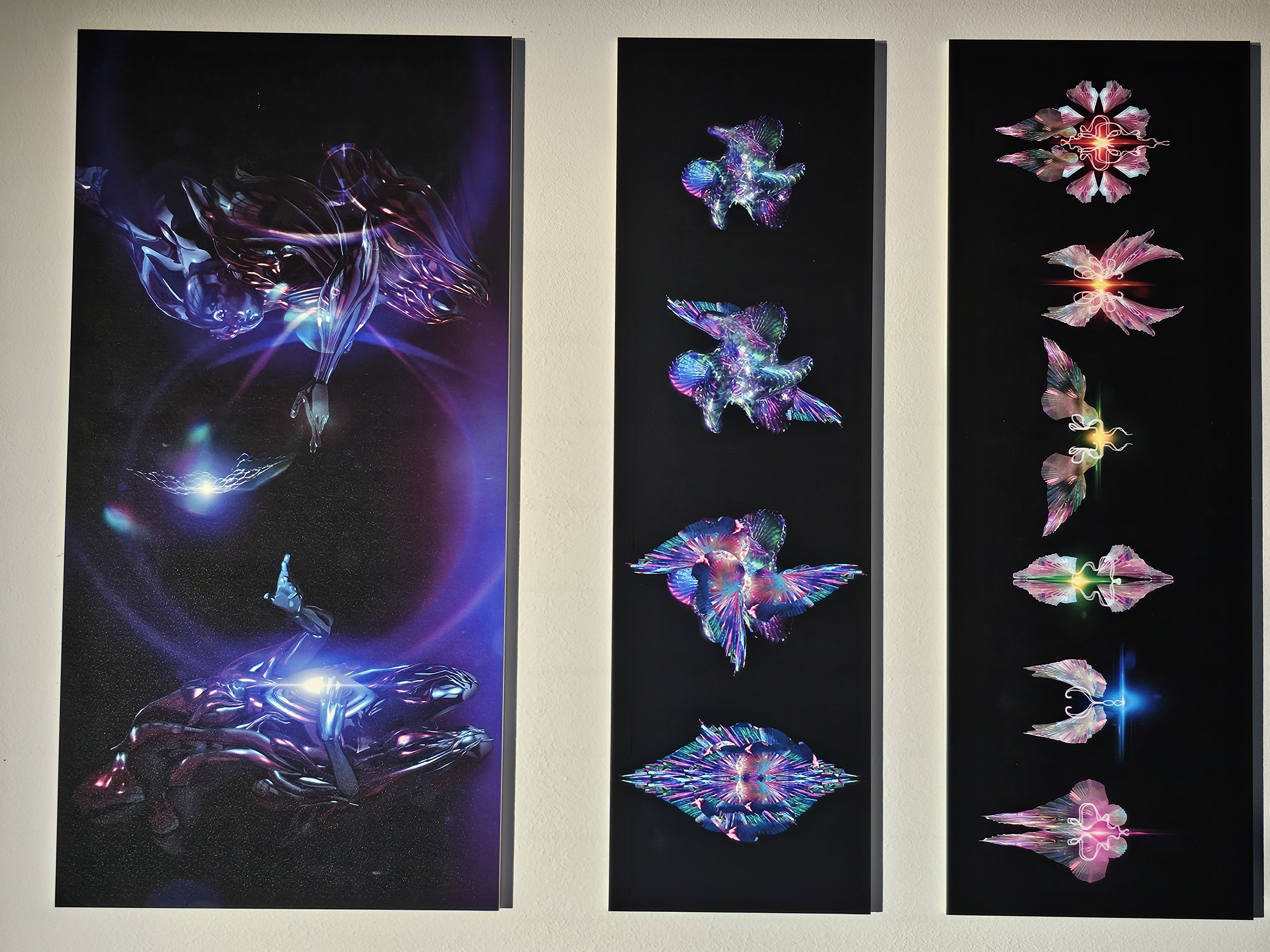
Insights for Interactive Installation Design
Beyond the conceptual inspiration, the museum visit provided practical insights into exhibition design and audience engagement strategies.
1. Intuitive Interaction Without Extensive Instruction
The most successful installations in the exhibition required minimal textual explanation. Visitors intuitively understood how to engage through clear visual cues, physical affordances, and immediate feedback. This reinforced the importance of designing embodied interactions that feel natural rather than requiring learned behaviors.
Application: For "Shape of Noise," the gesture-based controls must be discoverable through experimentation. The relationship between body movement and visual transformation should feel inevitable rather than arbitrary.
2. Balancing Aesthetic Appeal with Conceptual Depth
The exhibition demonstrated that visually striking work doesn't have to sacrifice intellectual rigor. The most compelling pieces achieved both immediate aesthetic impact and layered conceptual meaning. Casual visitors could appreciate the surface beauty while engaged viewers could dig deeper into the ideas.
Application: The noise visualizations must be beautiful enough to attract attention while containing sufficient complexity to sustain deeper engagement. The form can't just illustrate the conceptit must embody it.
3. Creating Space for Contemplation
Several installations provided seating or designated viewing areas, acknowledging that meaningful engagement requires time. Rather than optimizing for throughput, these works created environments for extended observation and reflection.
Application: The final exhibition should consider duration of engagement. How long does it take for a visitor to understand the system? To experiment with different gestures? To perceive the aesthetic transformation? The physical setup must accommodate this temporal dimension.
4. Documentation as Extension of Experience
Many works included well-designed documentationvideos, diagrams, artist statementsthat extended the experience beyond the physical installation. This documentation didn't explain away the mystery; it deepened understanding and provided context.
Application: The graduation exhibition will need supporting materials: process documentation, theoretical framing, technical explanations. These materials should complement the experiential installation rather than substitute for it.
Reflection: From Dystopia to Possibility
The museum visit fundamentally shifted my perspective on the project's framing. Initially, I viewed "Shape of Noise" as addressing a problemnoise pollution as urban affliction. The exhibition reminded me that the more compelling approach is to reveal possibility: noise as unrecognized aesthetic resource.
This isn't semantic difference; it changes everything. Problem-solving positions the audience as recipients of solutions. Possibility-revealing positions them as co-explorers discovering new ways of perceiving. The former closes down; the latter opens up.
"Another World is Possible" doesn't just describe alternative futuresit enacts them through the exhibition experience itself. Similarly, "Shape of Noise" shouldn't just visualize soundit should create a new sensory literacy through direct embodied engagement.
Outcome
The museum visit yielded several concrete outcomes for the project's development:
- Reframed the project from problem-solving to possibility-revealing
- Gained practical understanding of effective interactive installation design
- Identified four key principles for exhibition strategy: intuitive interaction, aesthetic-conceptual balance, contemplative space, and extended documentation
- Recognized the importance of hope and creativity in design communication
- Collected visual references and interaction patterns to inform prototype development
Experimental Process Videos
Following the museum visit, I began experimenting with translating the exhibition's insights into my own project. These videos document early explorations of audio-visual synthesis and noise transformation techniques.
Preparing for Week 10: Prototype Sharing
Inspired by the museum experience, Week 10 would focus on prototype development and peer sharing session:
- Create tangible prototypes demonstrating noise visualization concepts
- Develop noise mapping research to identify sonic characteristics of different urban zones
- Experiment with audio recording and synthesis techniques
- Present prototypes to class and faculty for feedback
- Test whether the work balances intuitive understanding with conceptual depth