Overview
Week 15 focused on translating the accumulated field research data into tangible visual and documentary forms. Building on the 13 districts documented in previous weeks, I created composite visual artifacts that synthesize multiple photographic sources into unified images representing each location's sonic character.
This week's work involved two major outputs: first, the creation of visual artifacts through meticulous photo compositing and editing; second, the development of a comprehensive noise catalog that integrates these visual artifacts with audio recordings, spectral analysis, and detailed location documentation. The goal was to create materials that allow viewers to deeply understand and experience Singapore's acoustic landscape through multiple sensory and informational channels.
Noise Visual Artifacts
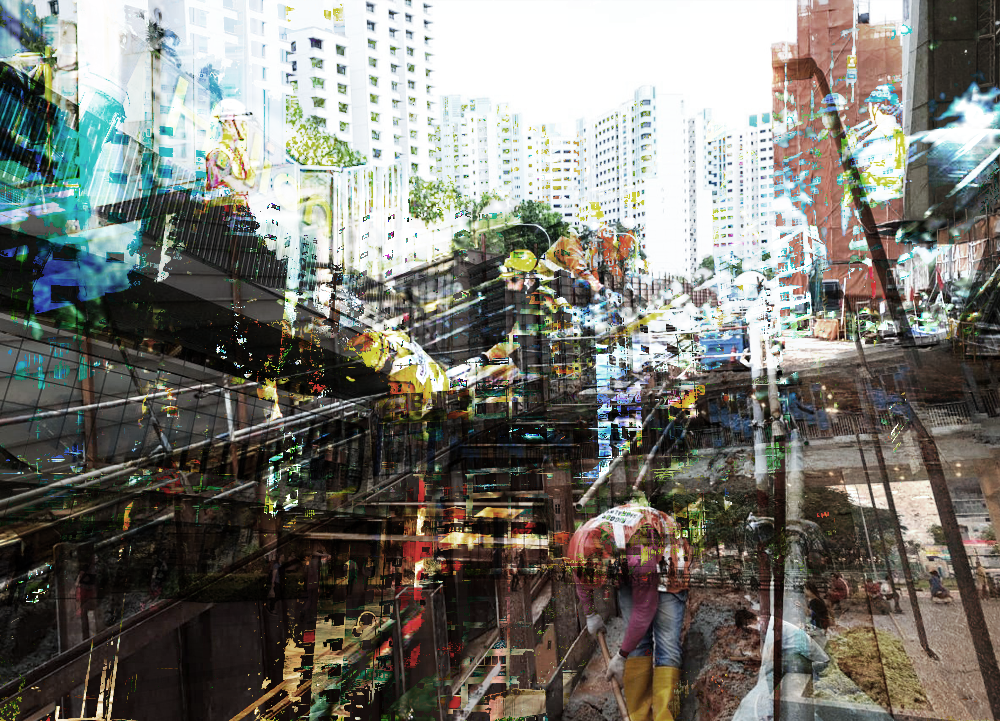
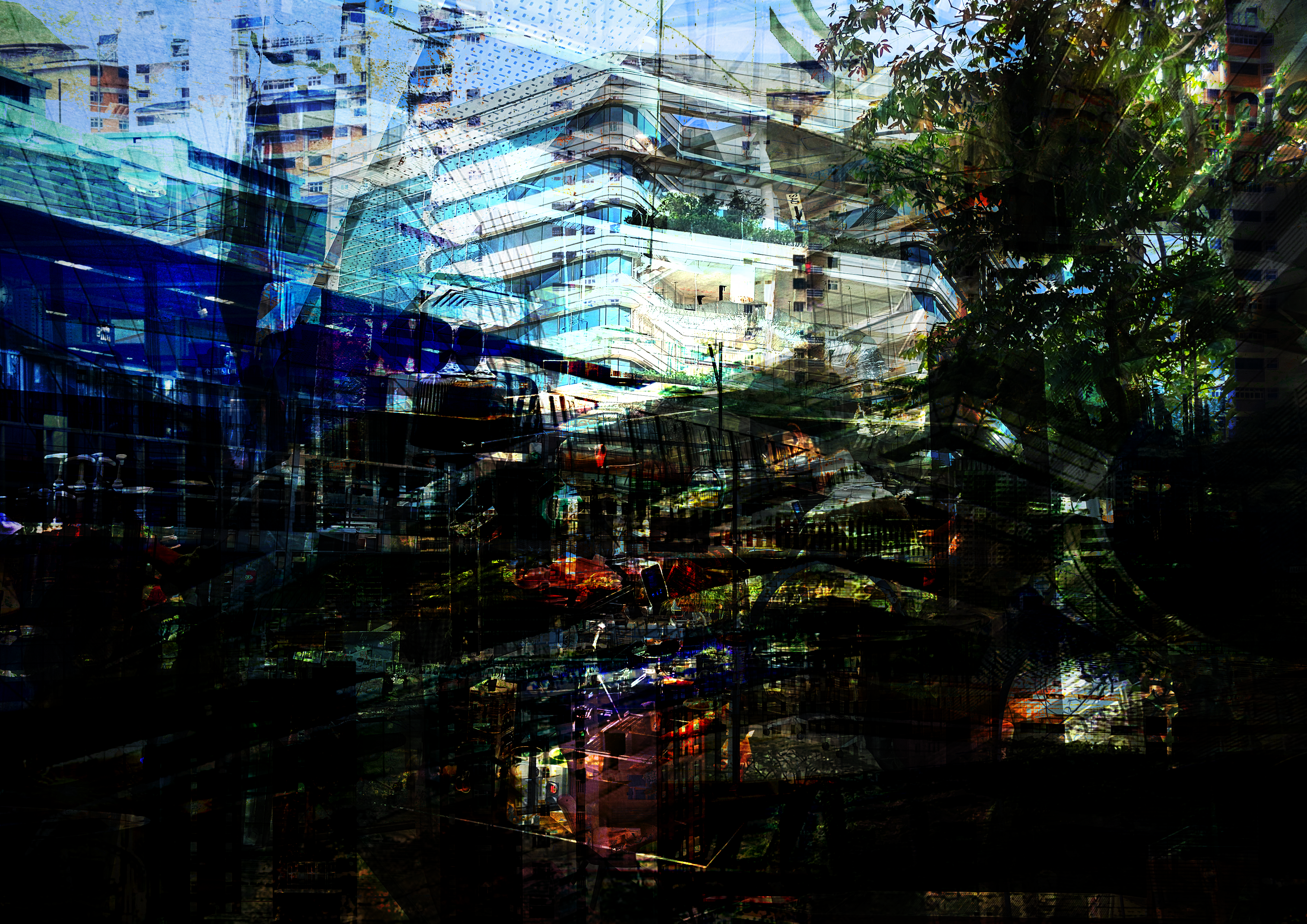
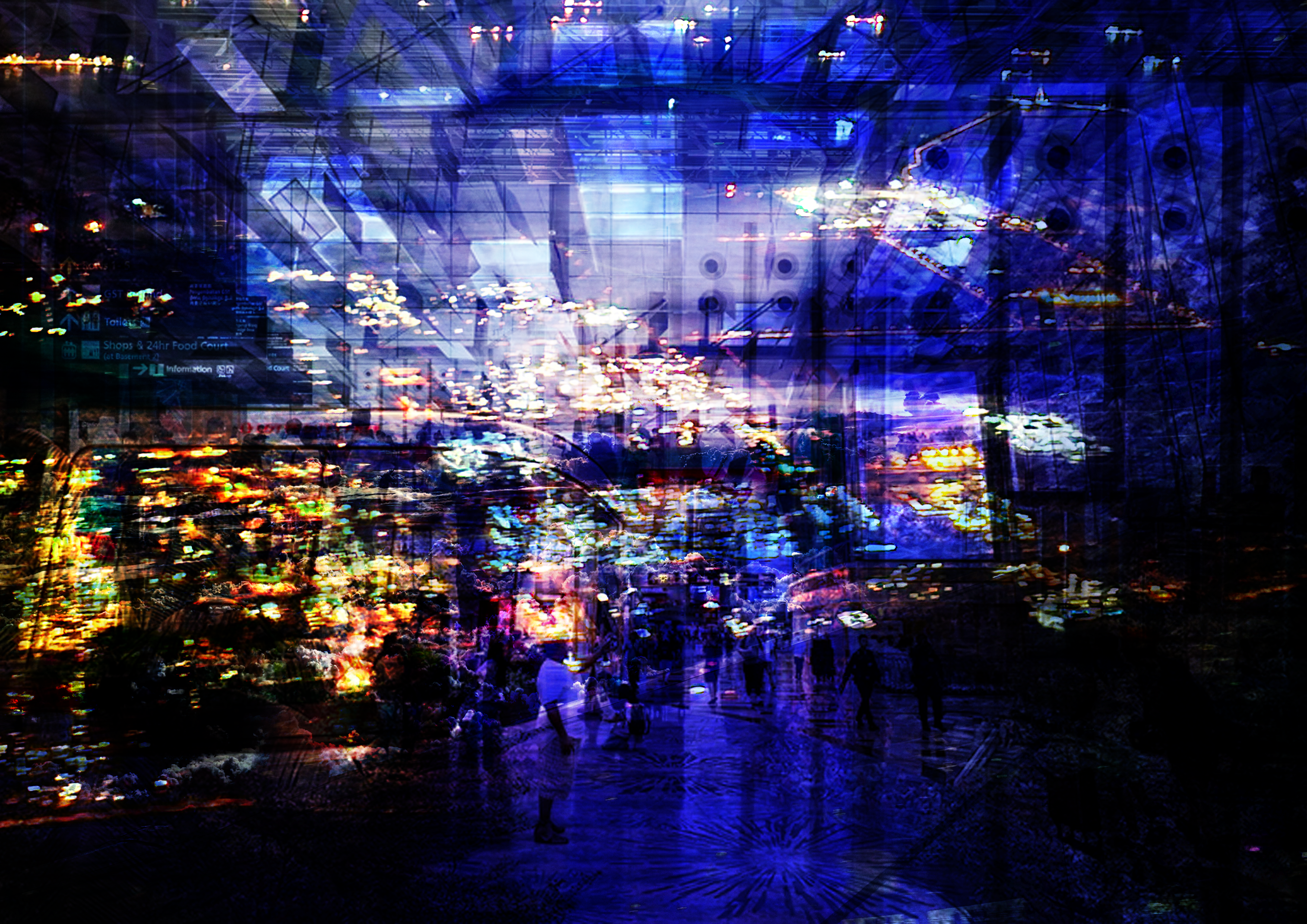
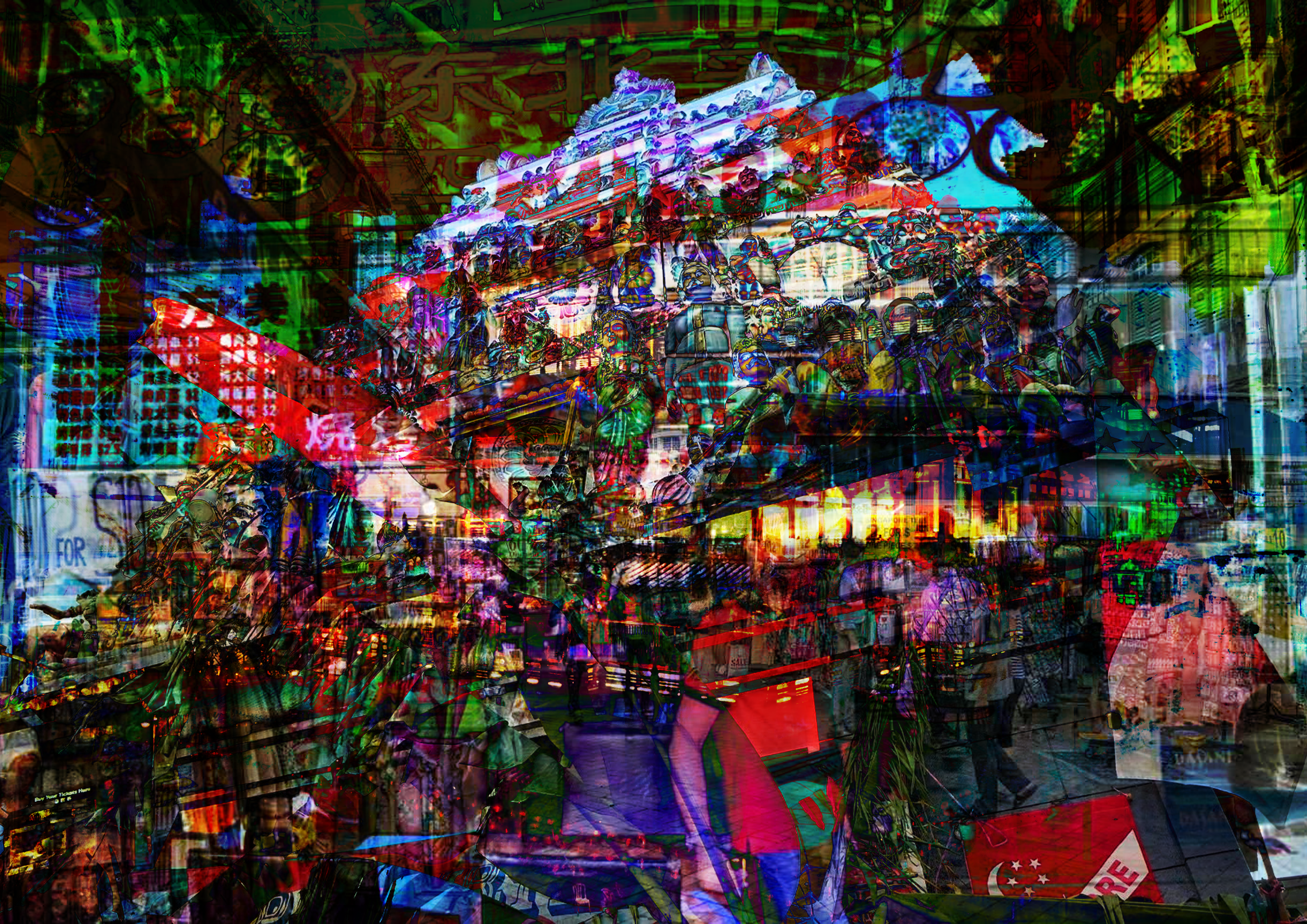
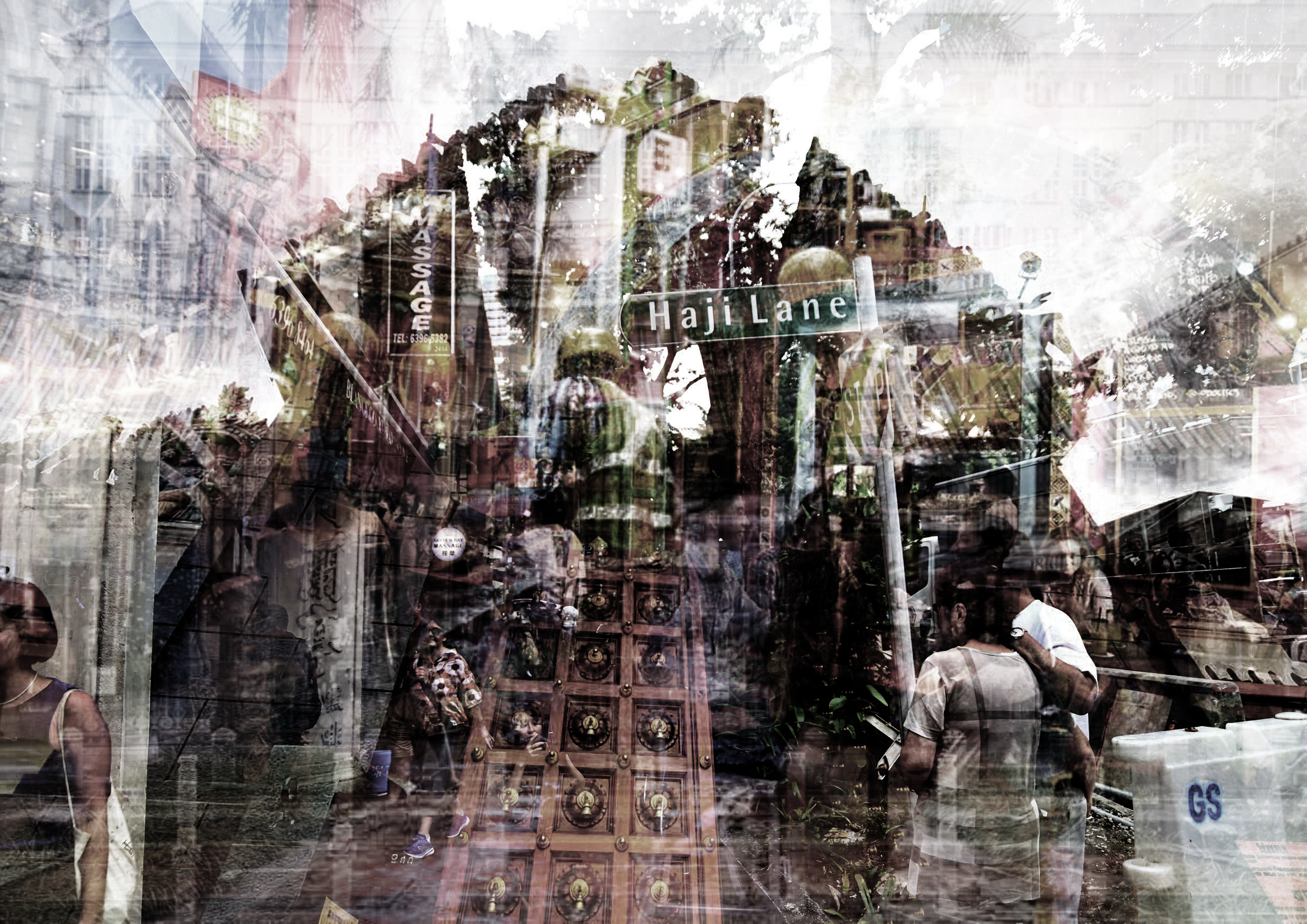
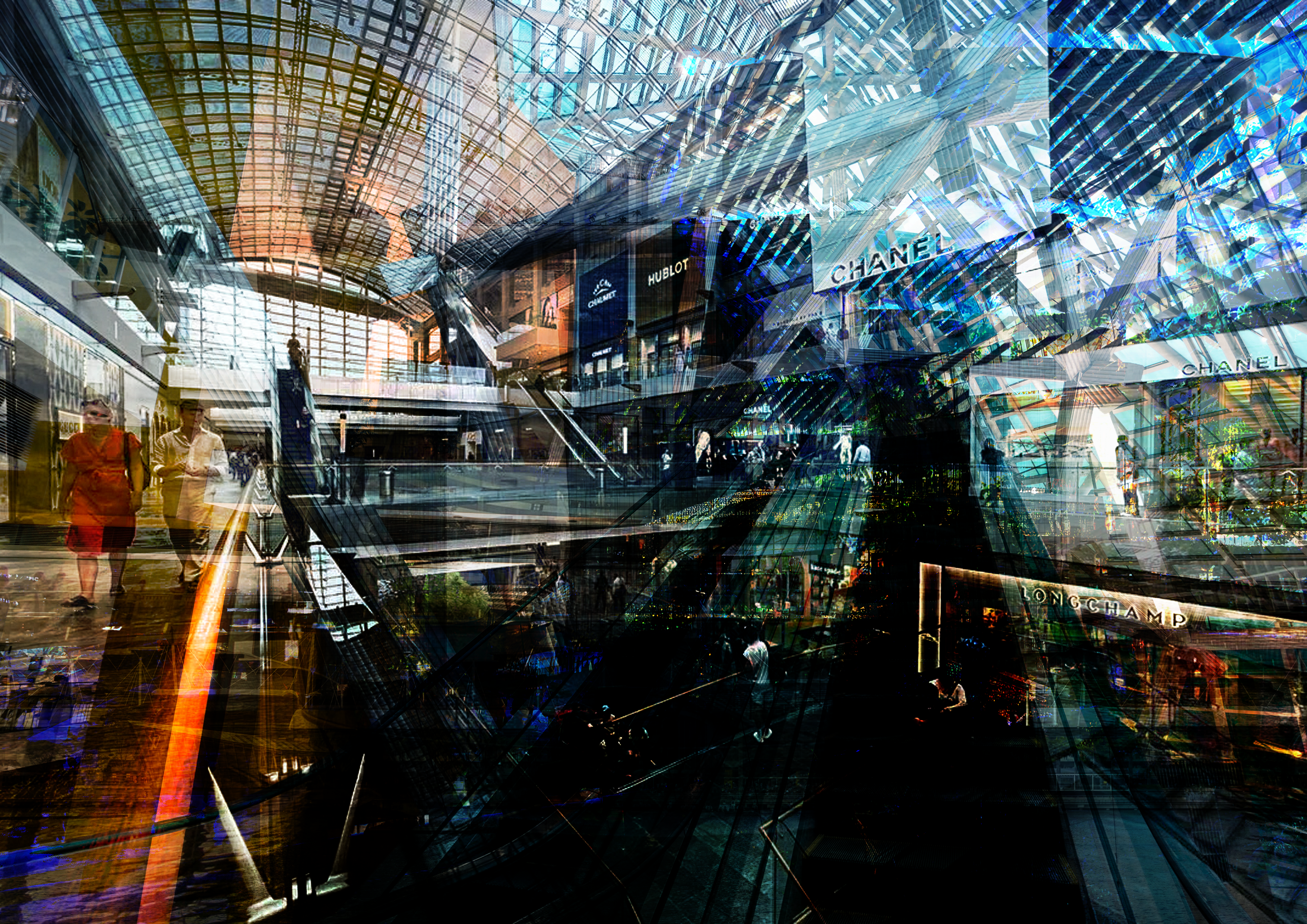
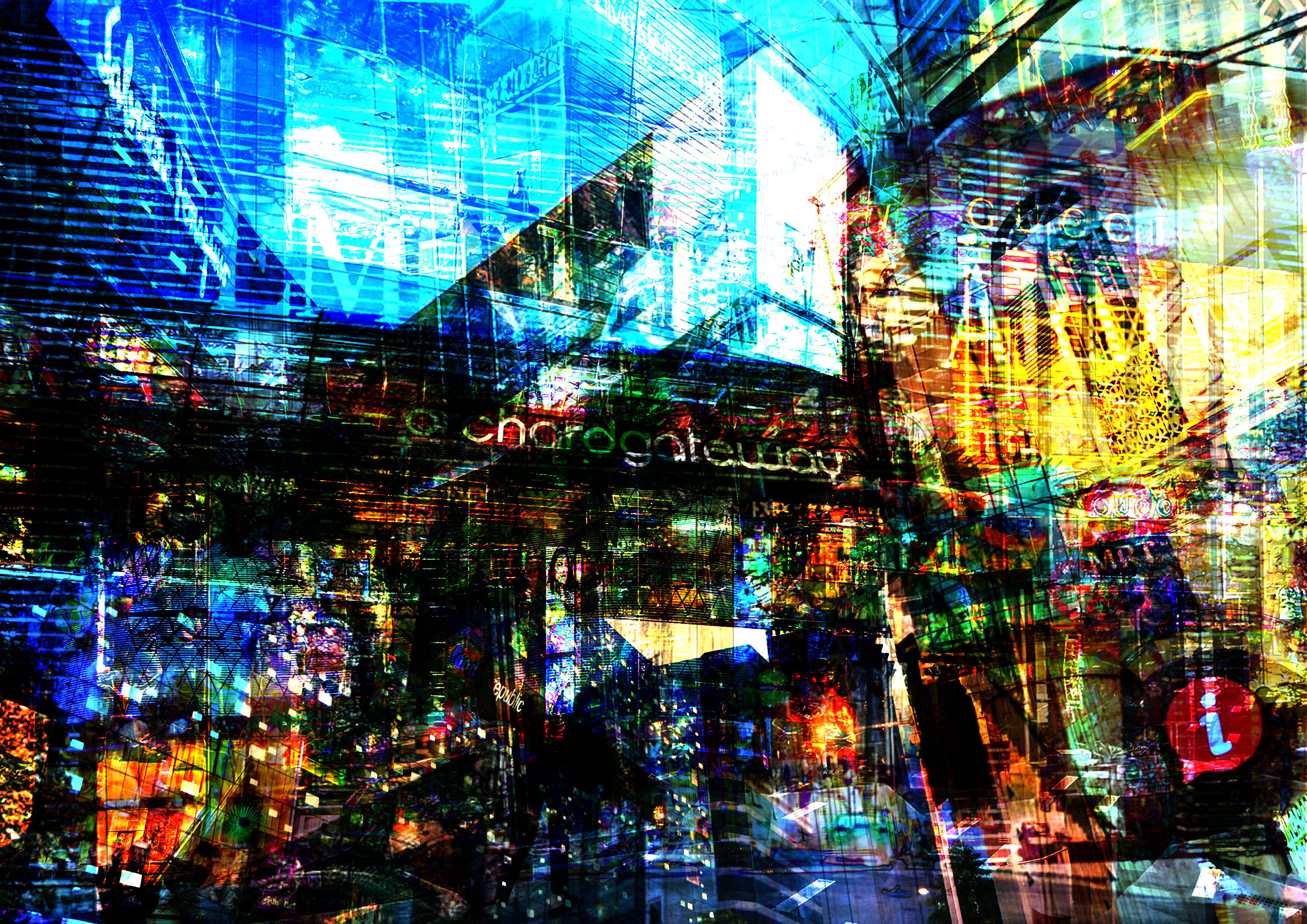
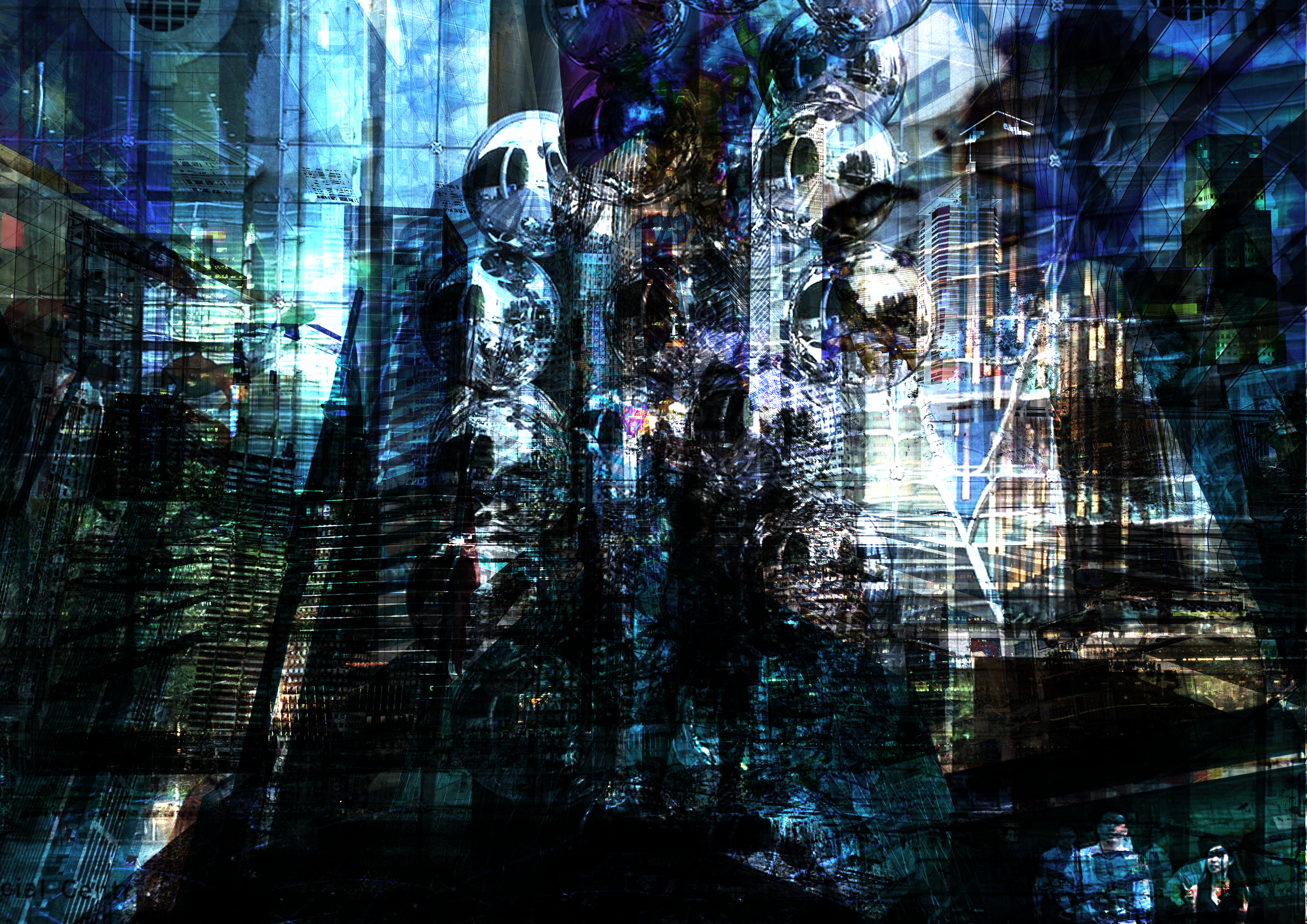
Each visual artifact represents a single district's sonic landscape through composite photography. These images synthesize multiple noise sources photographed on location and collected from internet data, merging them into unified visual compositions that embody the acoustic character of each area.
The creation process involved photographing noise sources directly in the field, gathering supplementary imagery, and using Photoshop along with external editing programs to composite these elements into cohesive artworks. Each artifact underwent extensive refinement: images were layered, meticulously adjusted, fragmented, and reassembled repeatedly to achieve visual coherence.
A critical challenge was balancing visual intensity with aesthetic appeal. The compositing process naturally introduces noise and pixelation, which could create an unpleasant viewing experience. However, these qualities also evoke the disruptive nature of urban noise itself. The task was to calibrate these elements precisely, using Blender modes to blend images naturally while maintaining enough visual disruption to convey sonic intensity without overwhelming the viewer.
Interactive Guide: Click on any district artifact below to reveal its source images and audio recording. This expandable design allows you to explore each location in depth without excessive scrolling.
Bugis
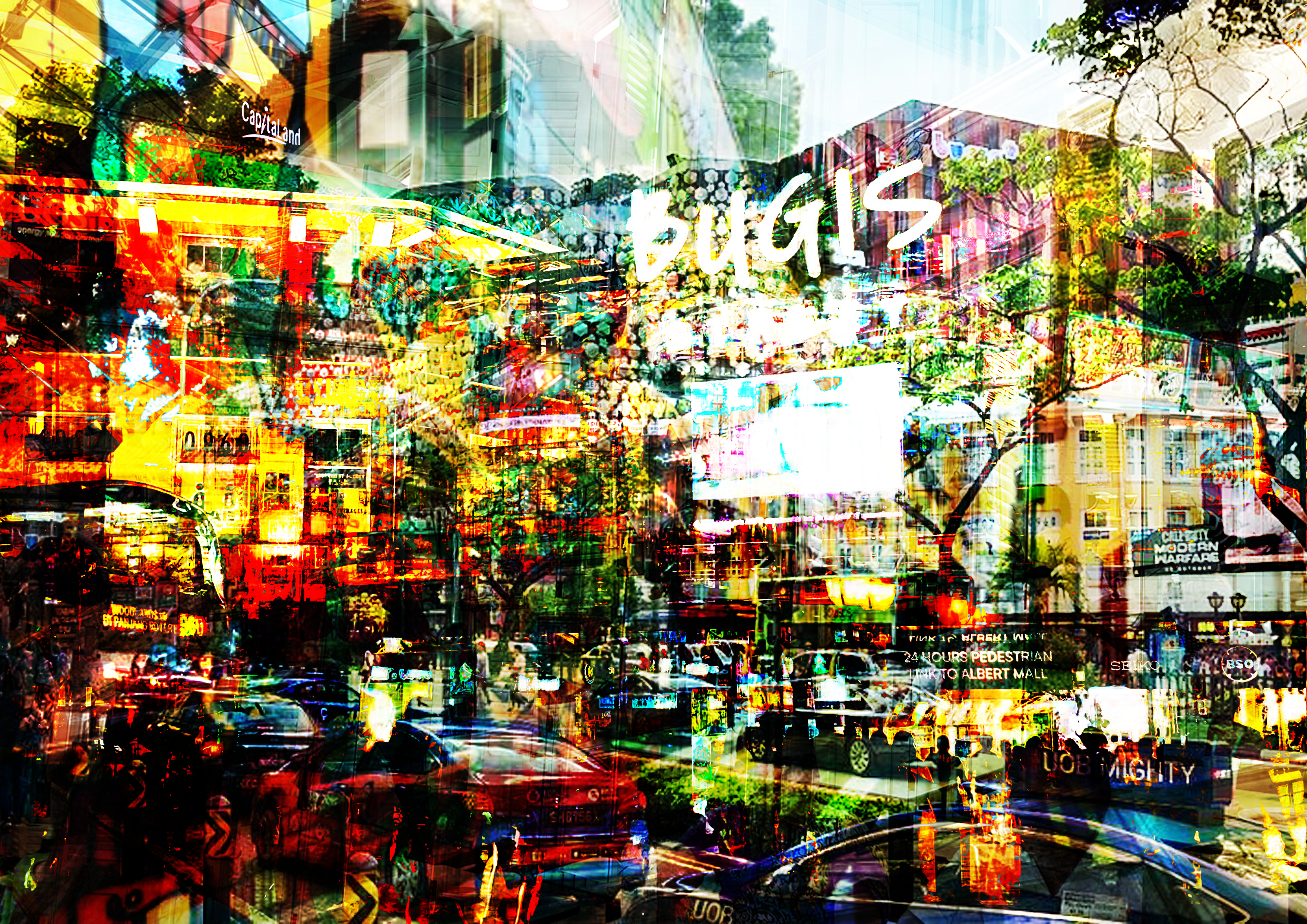
Bugis Synthesized Noise Recording
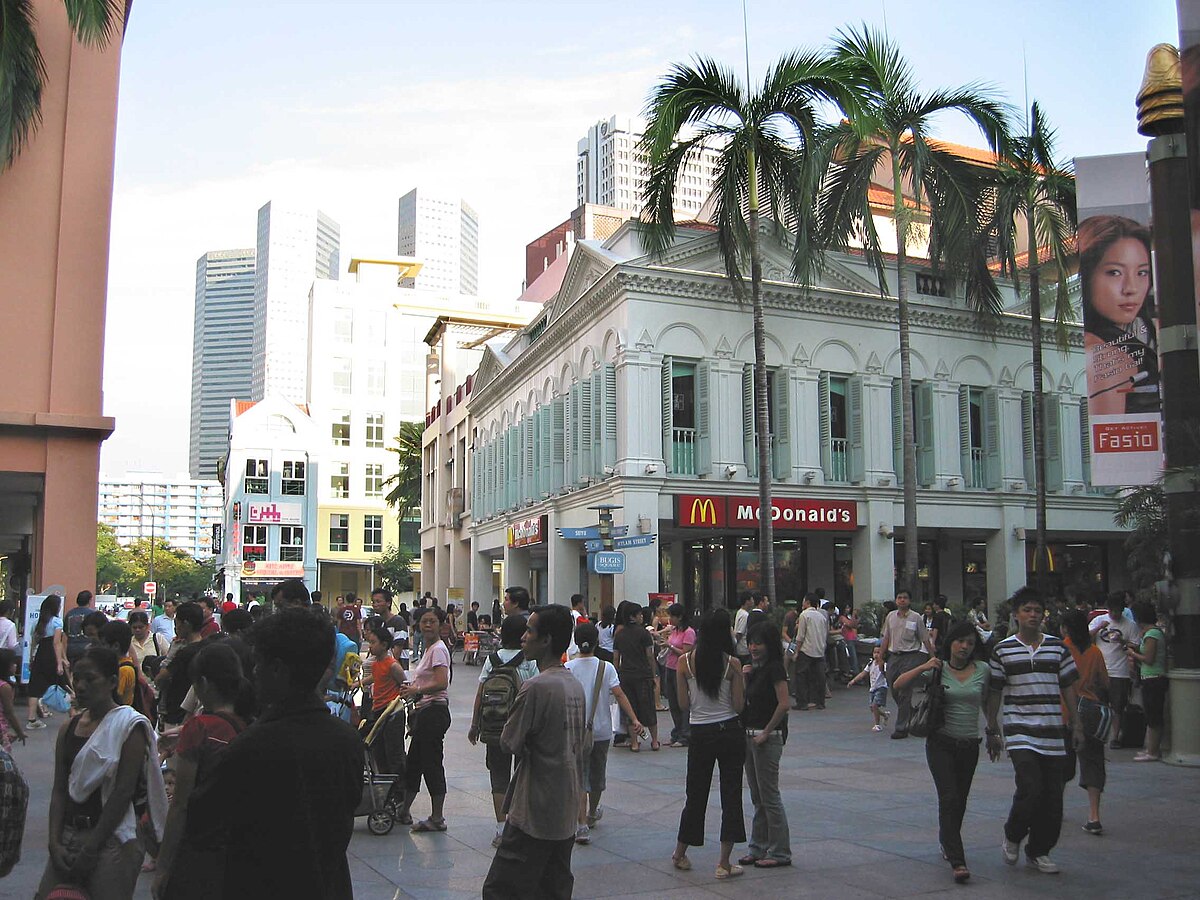
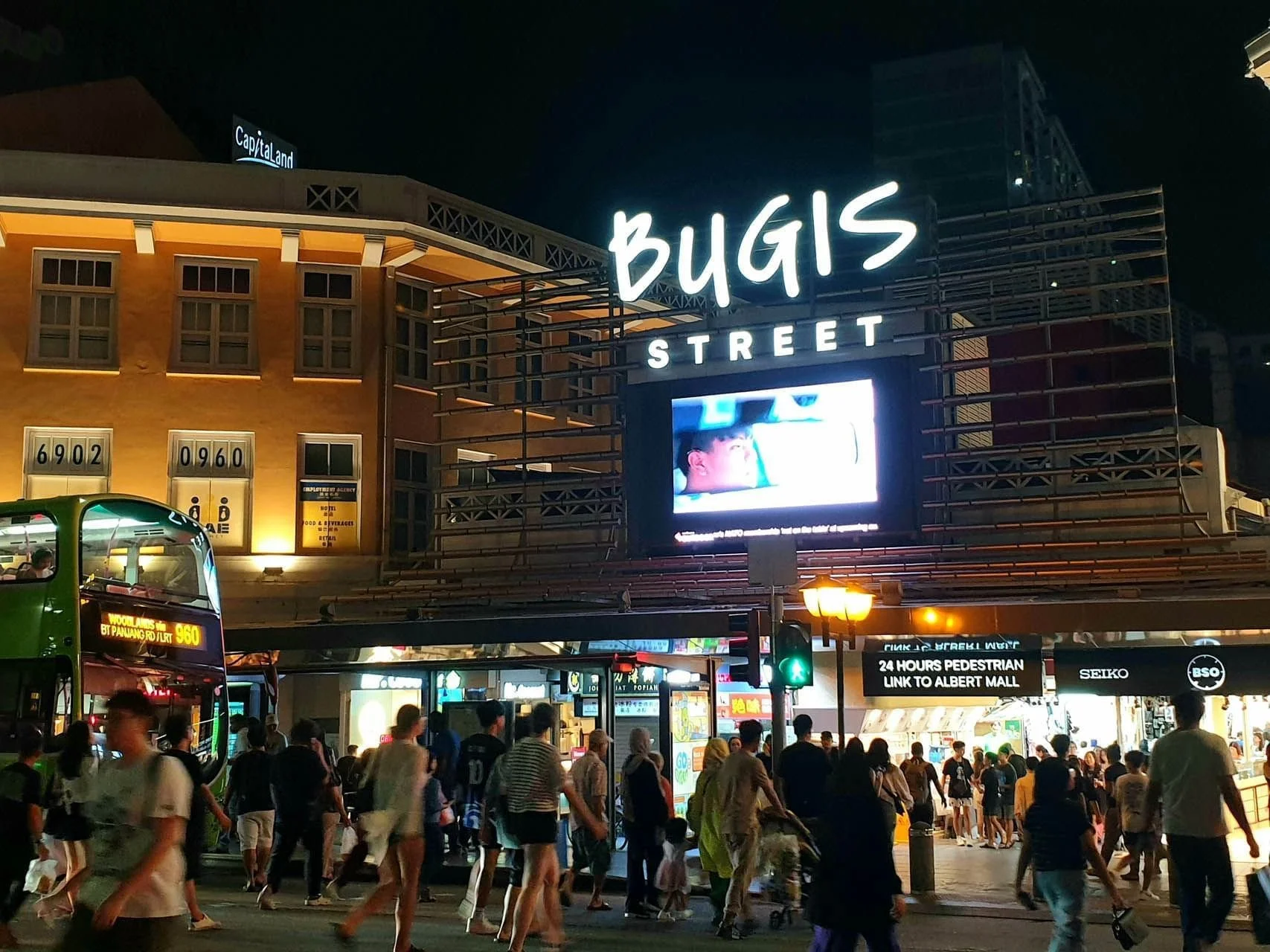
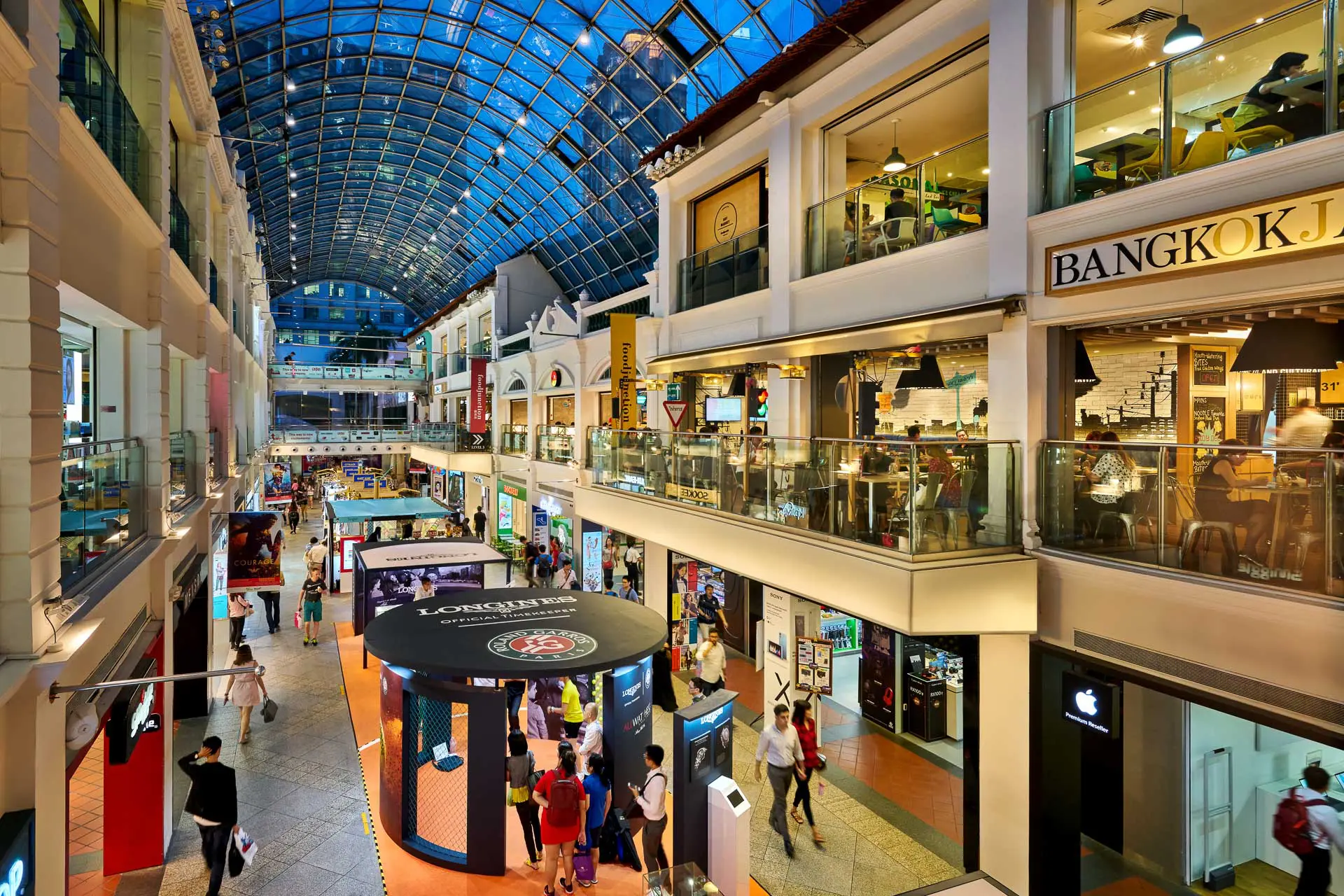
Source Images
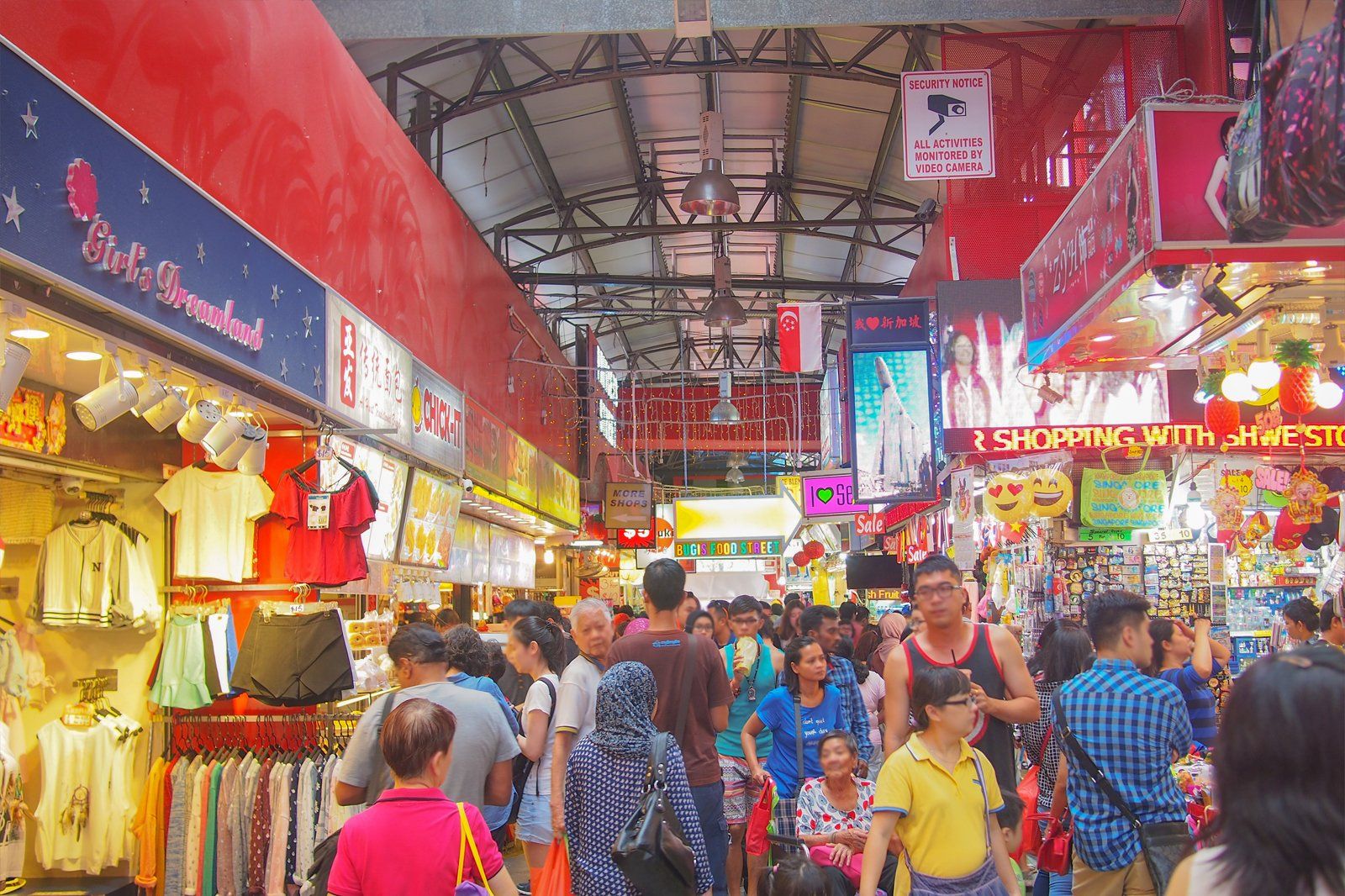
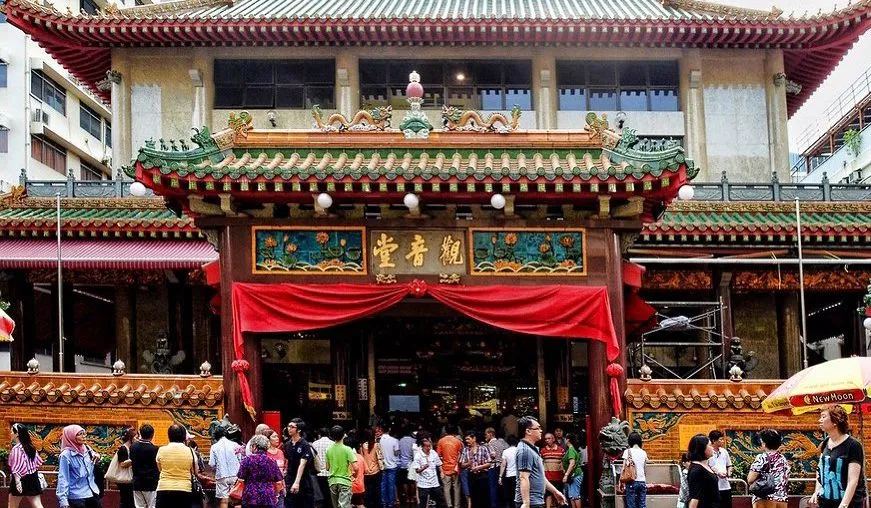
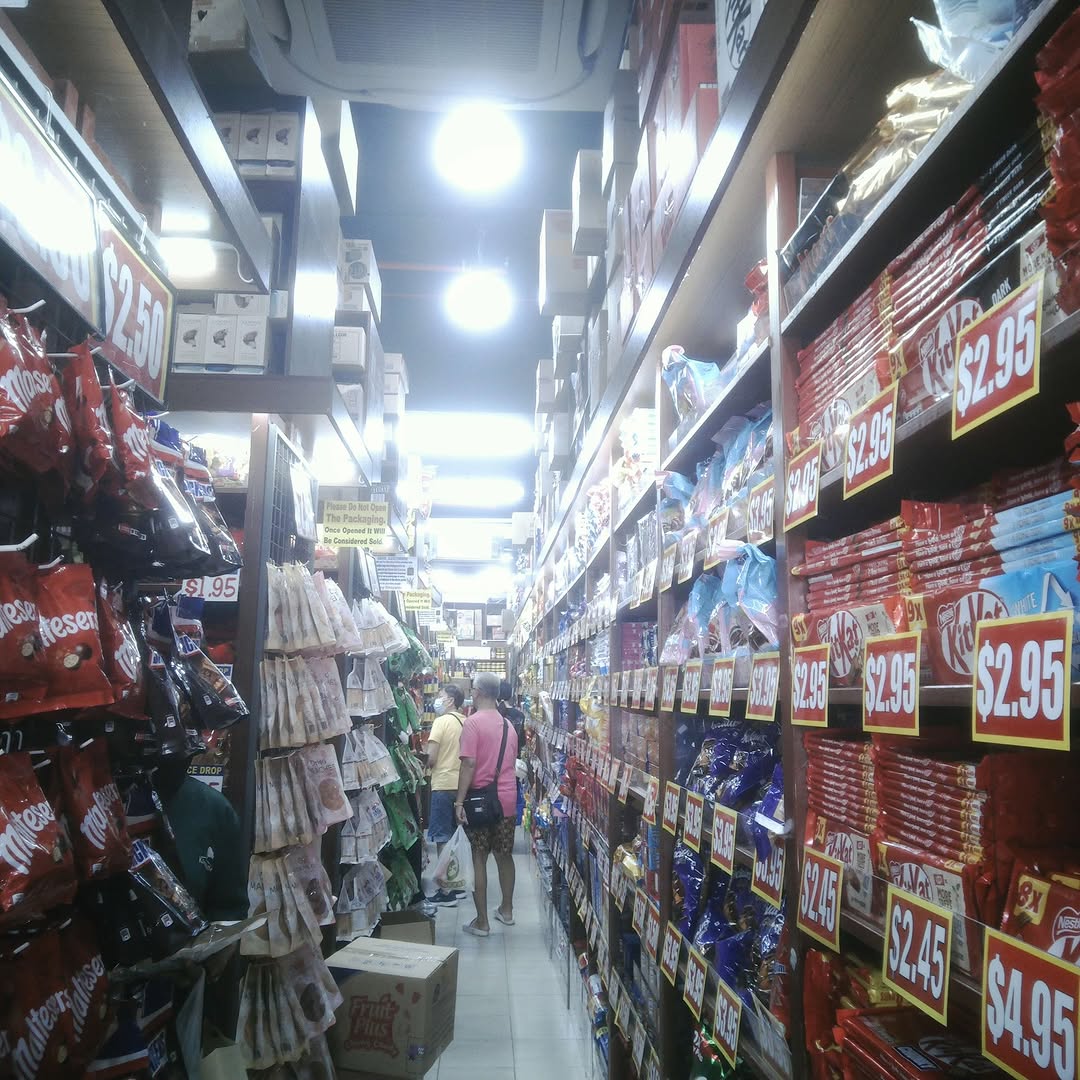
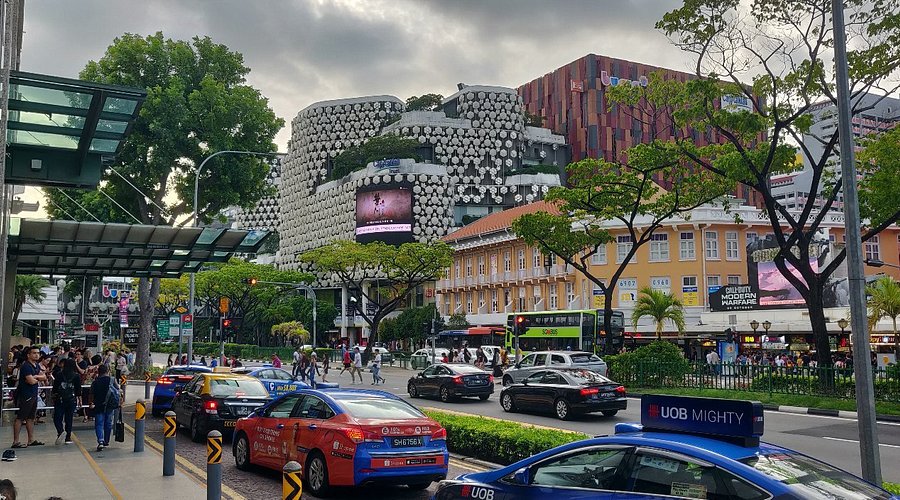
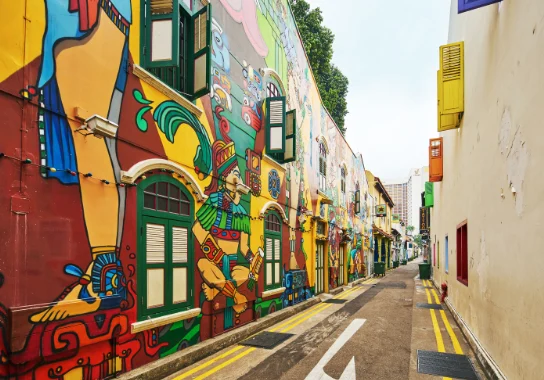
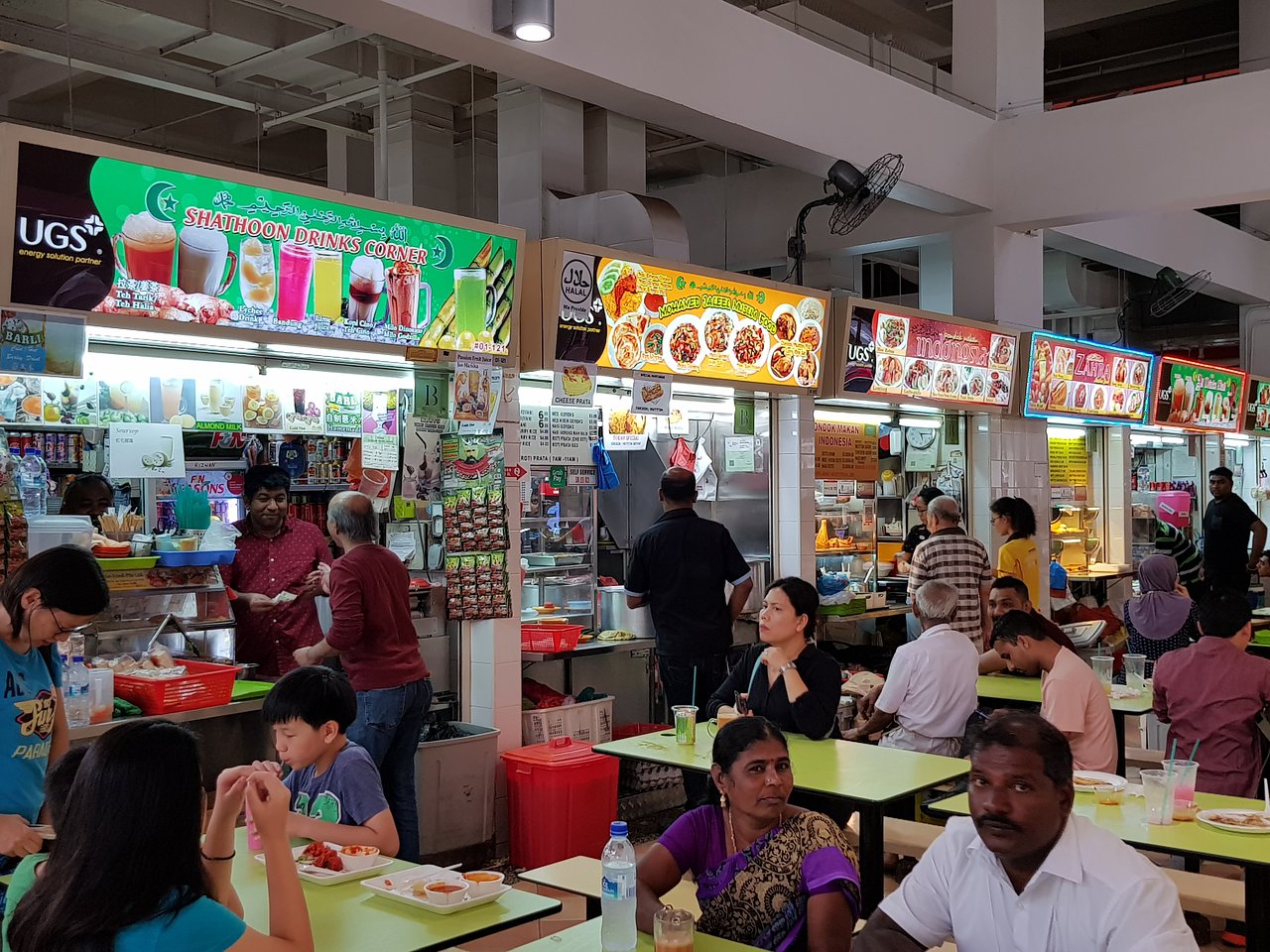
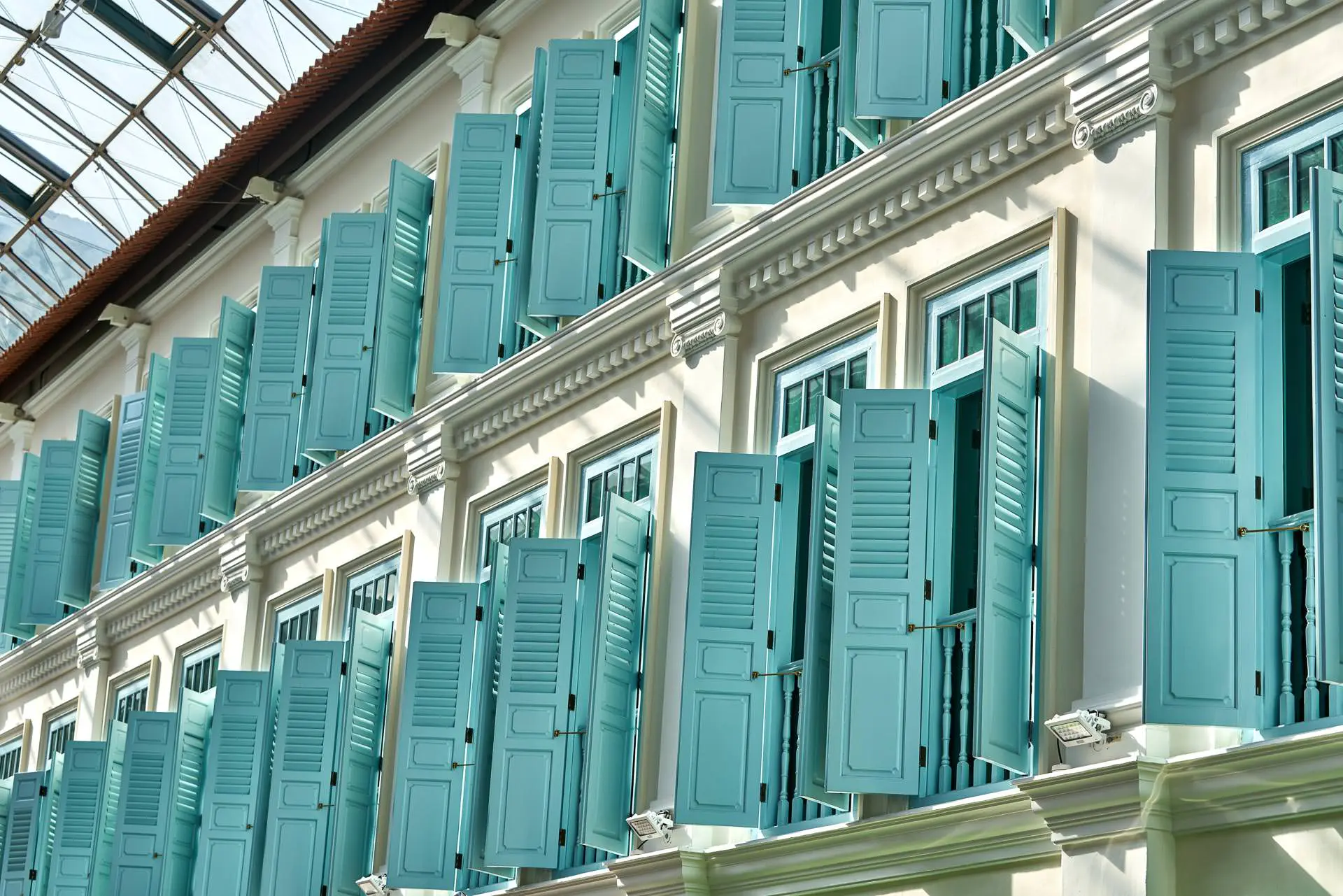
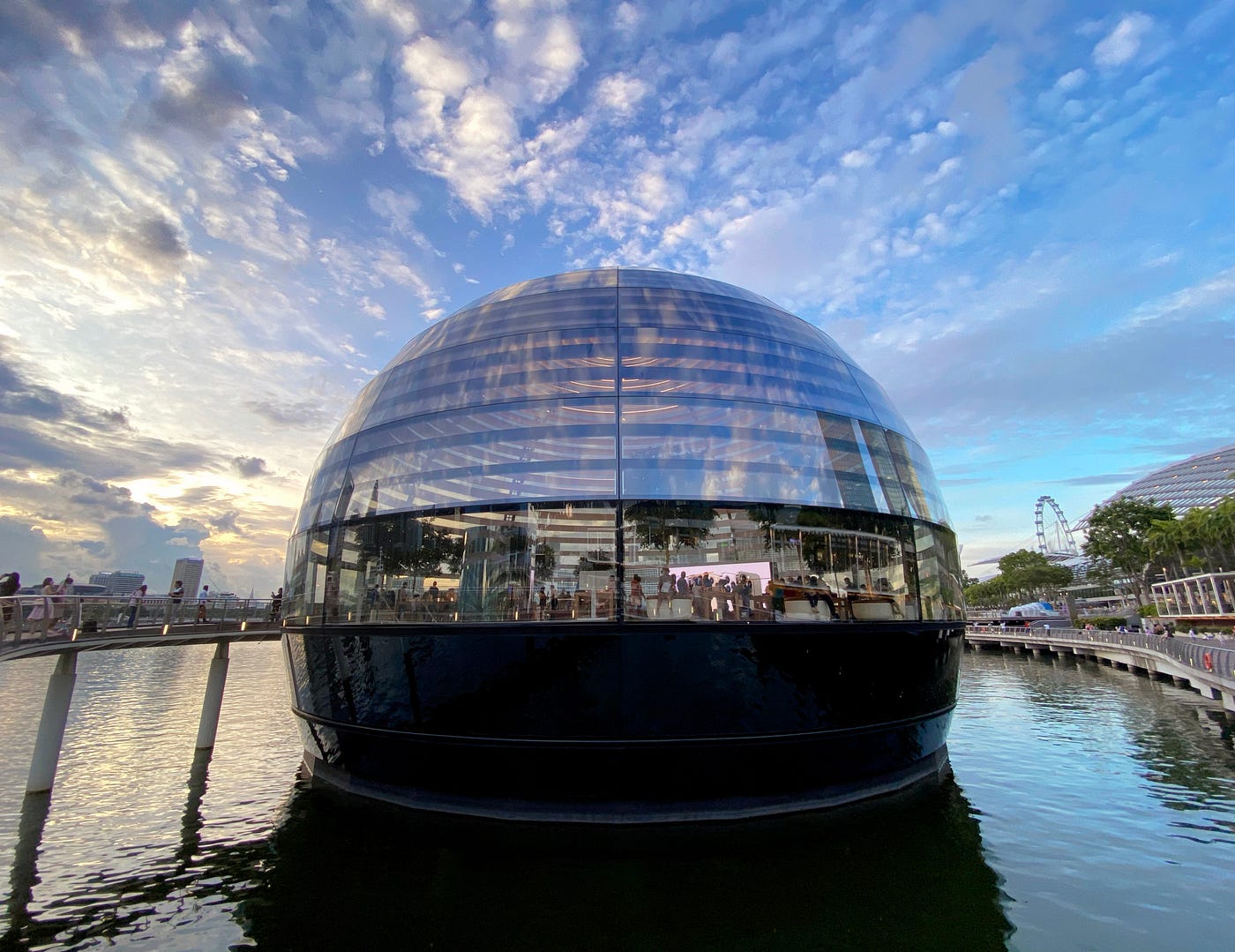
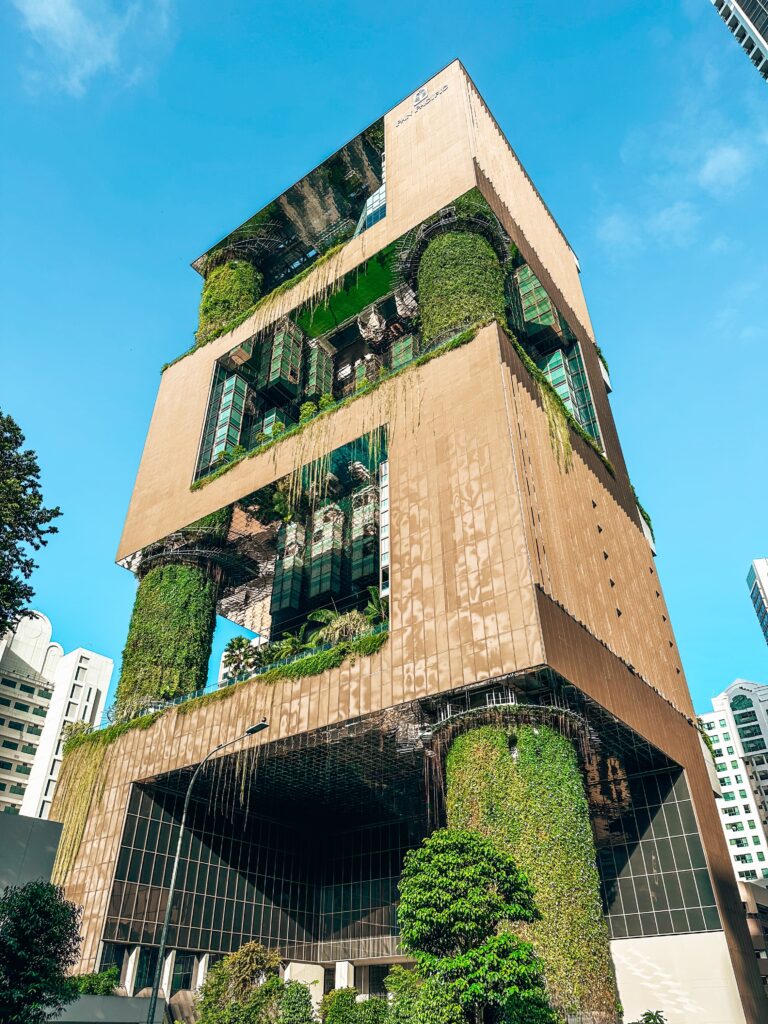
The following photographs were composited to create the Bugis visual artifact above:
Bukit Panjang
Bukit Panjang Synthesized Noise Recording
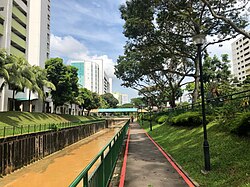
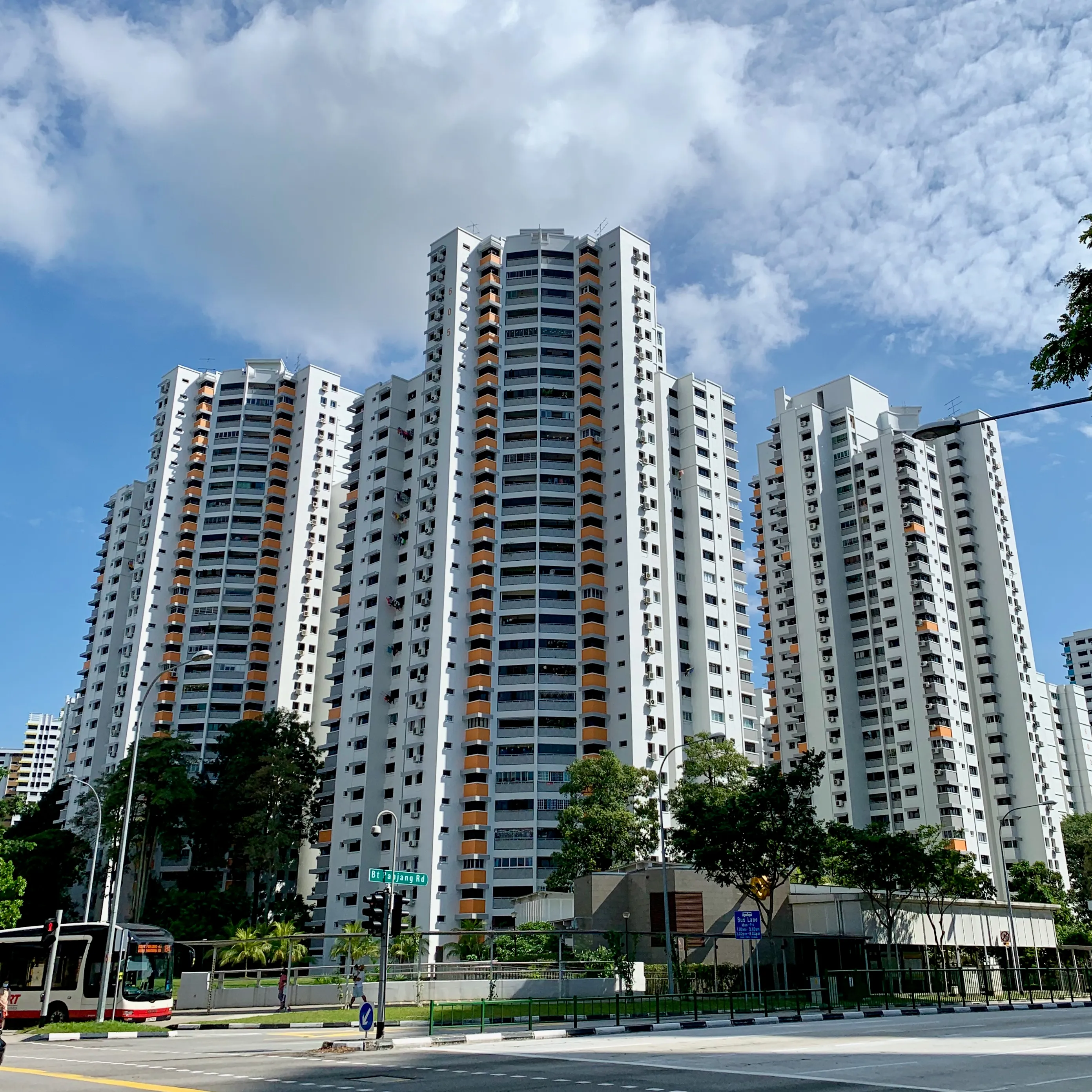
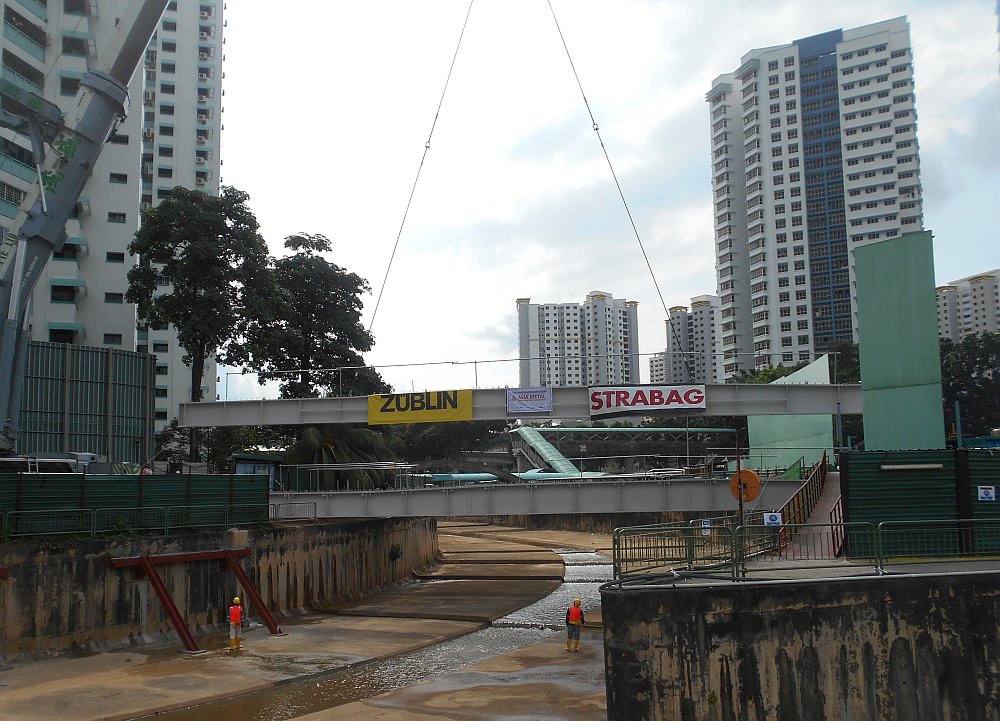
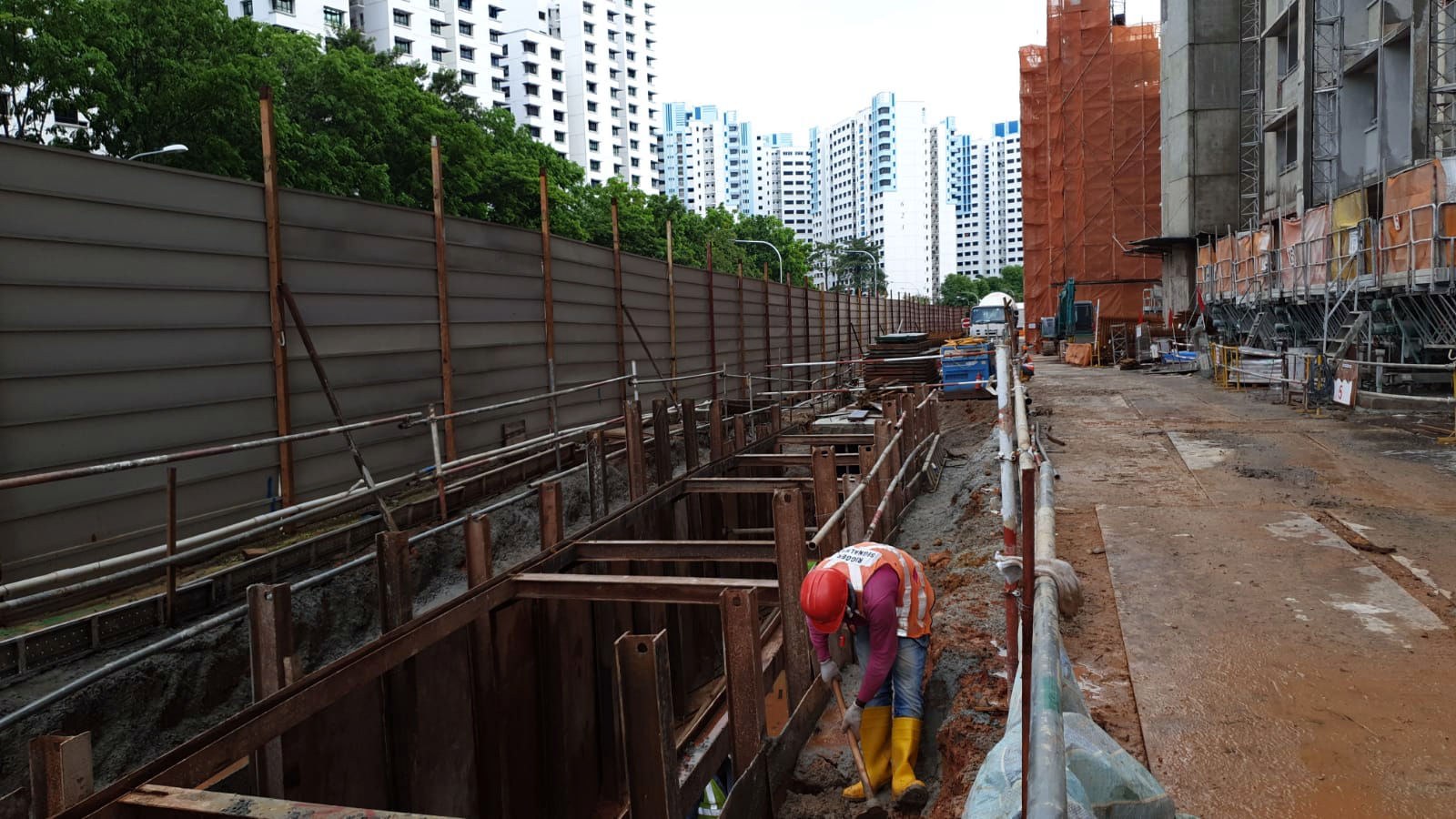
Source Images
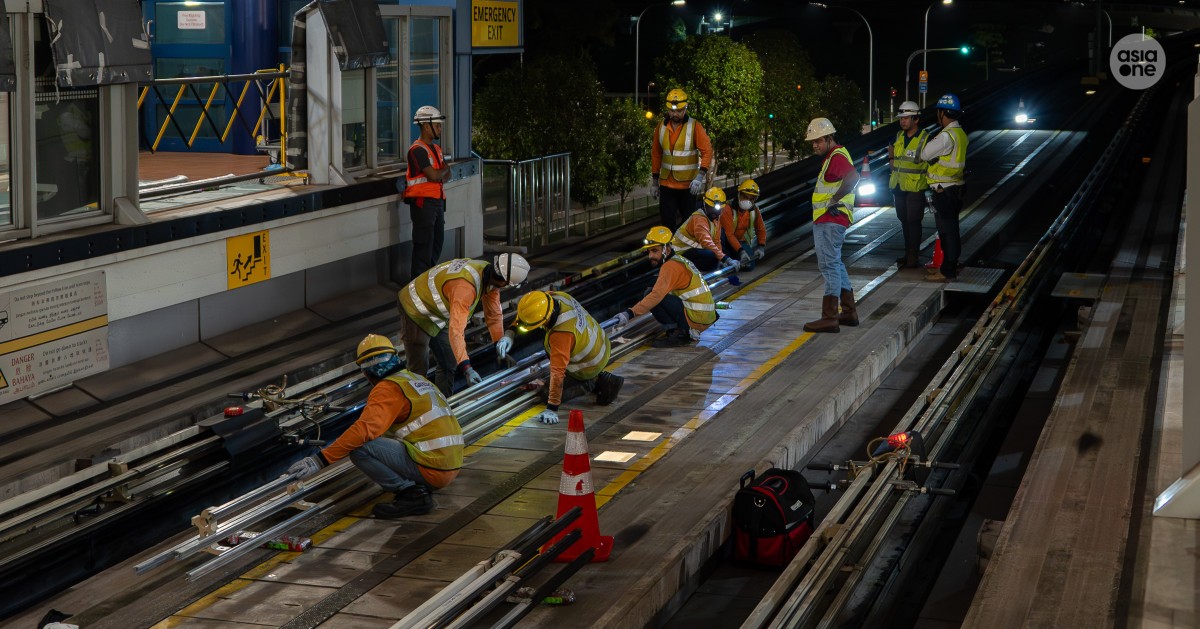
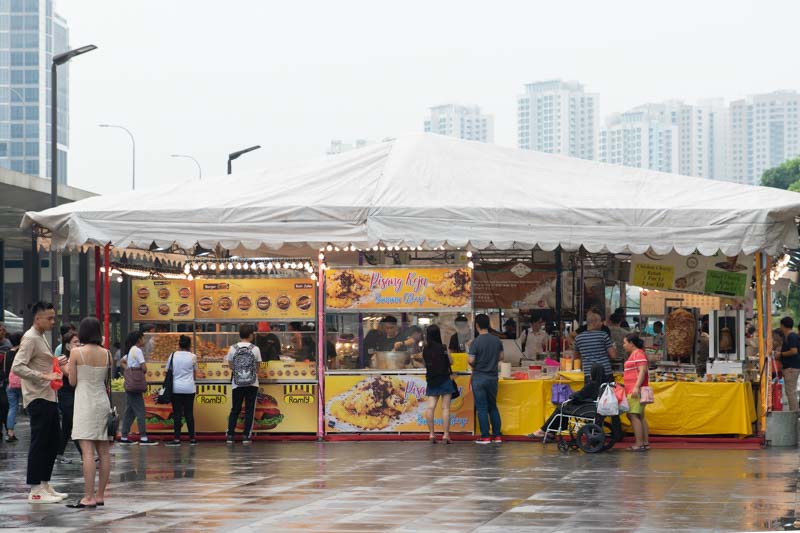
The following photographs were composited to create the Bukit Panjang visual artifact above:
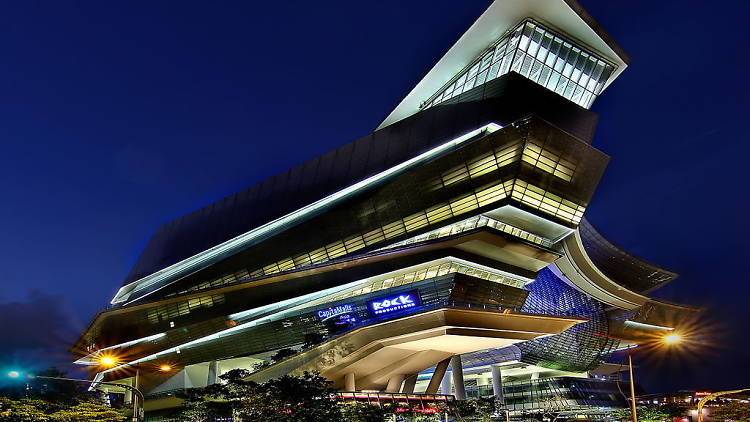
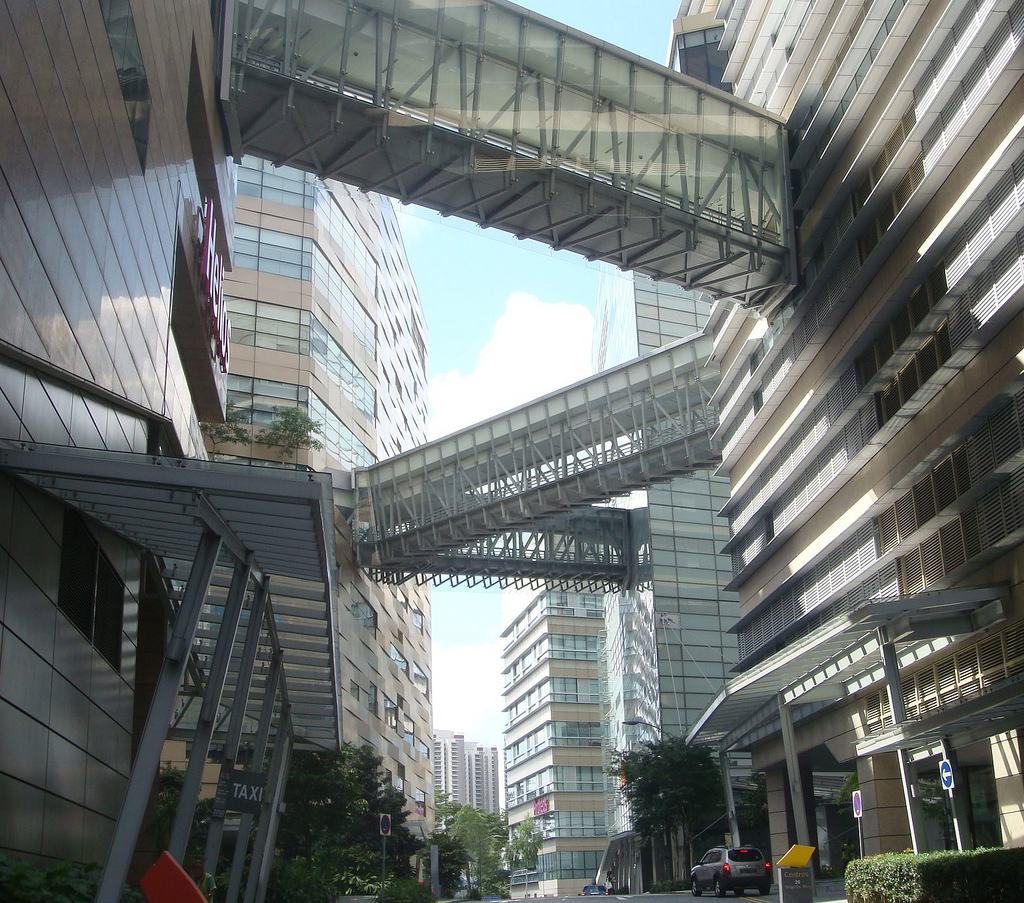
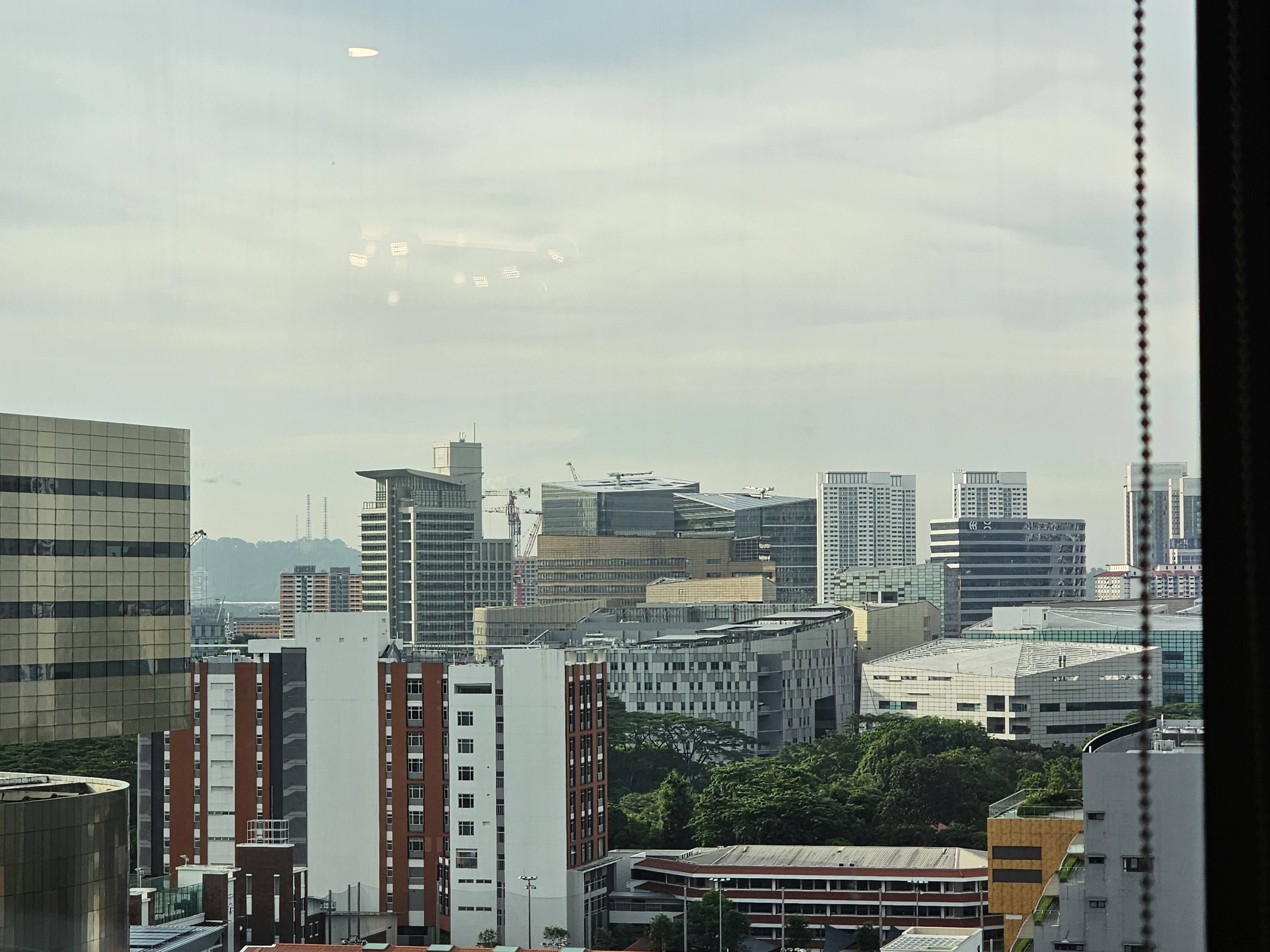
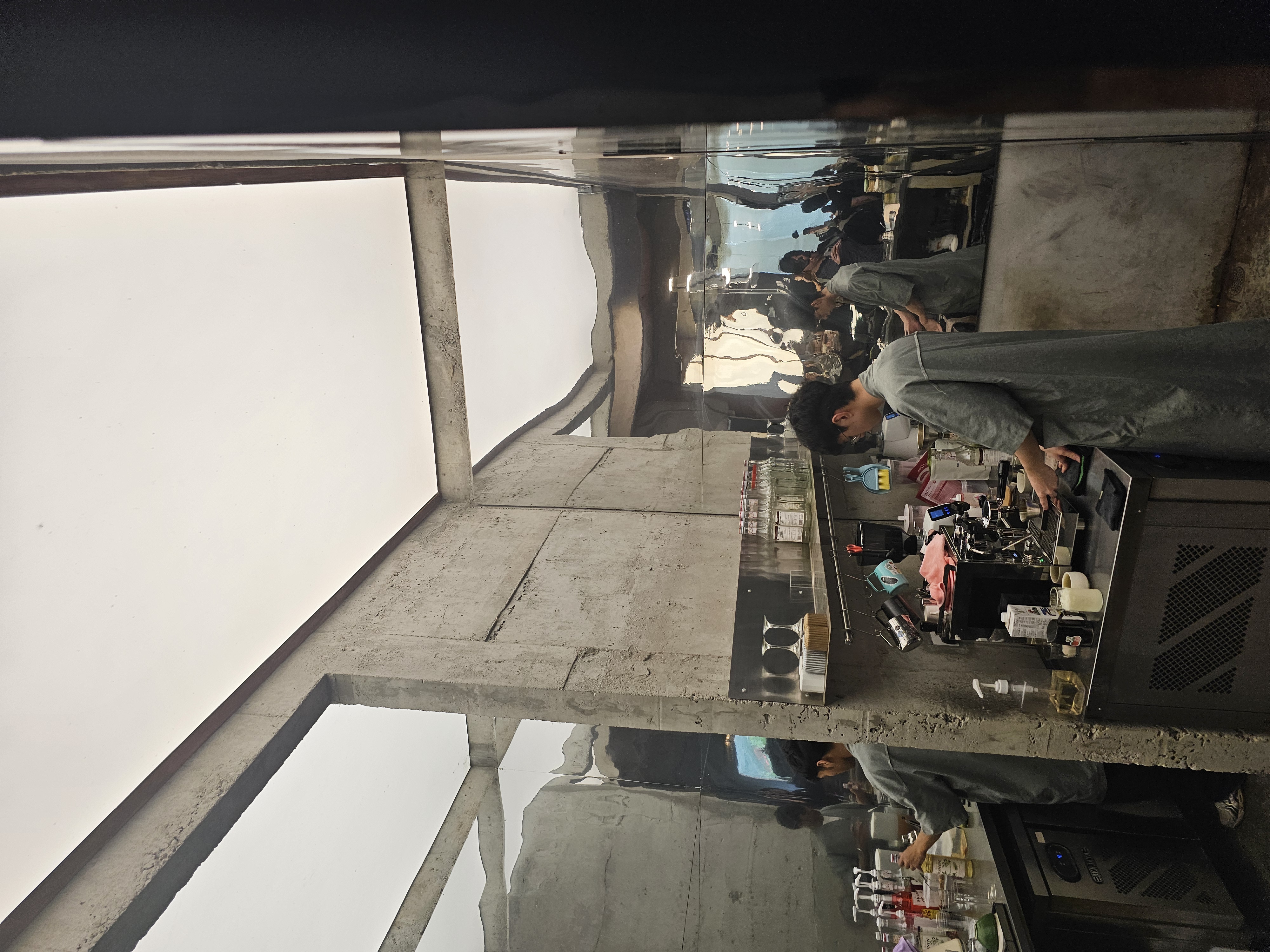
Buona Vista
Buona Vista Synthesized Noise Recording
Source Images
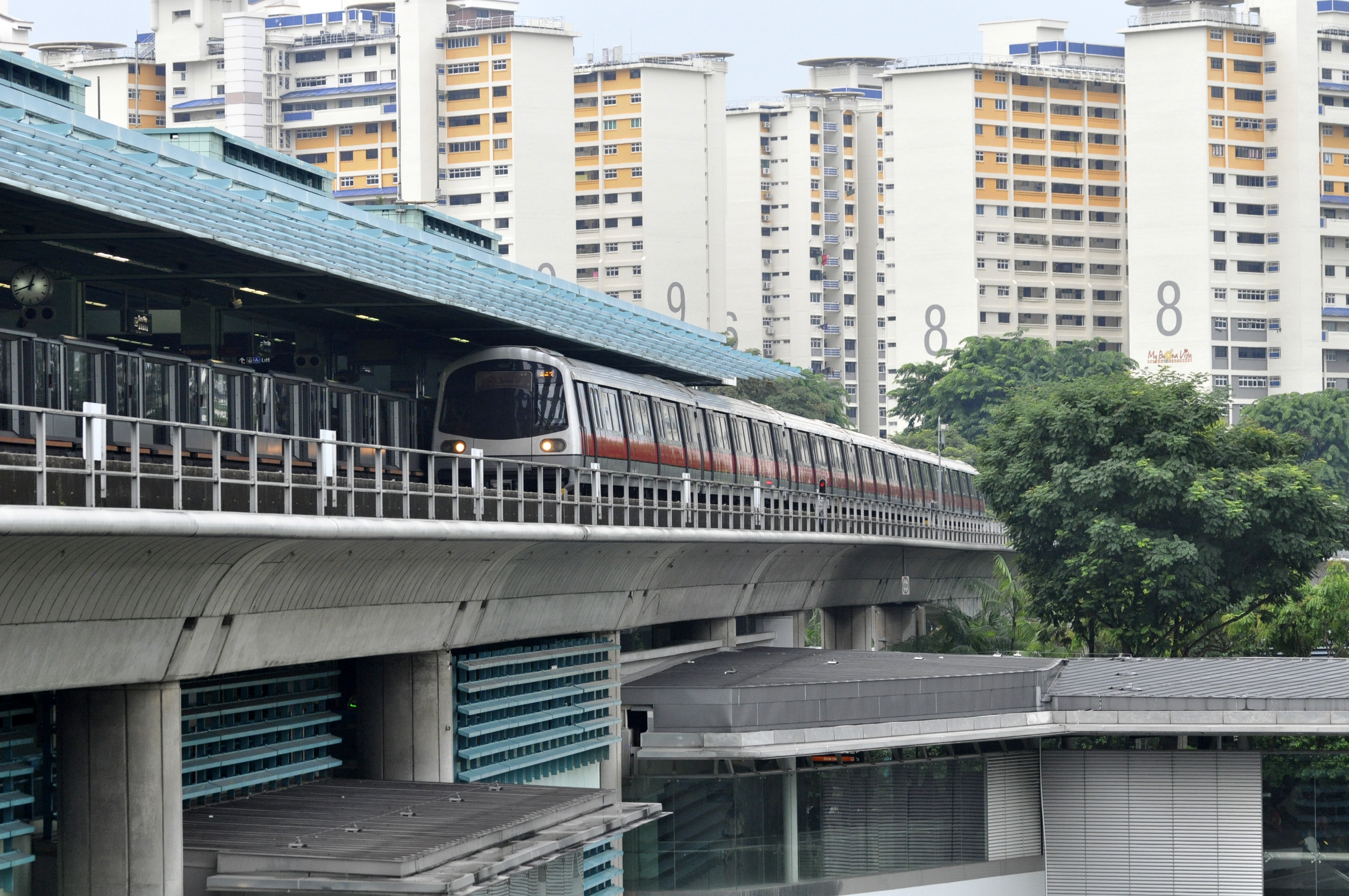
The following photographs were composited to create the Buona Vista visual artifact above:
Changi Airport
Changi Airport Synthesized Noise Recording
Source Images
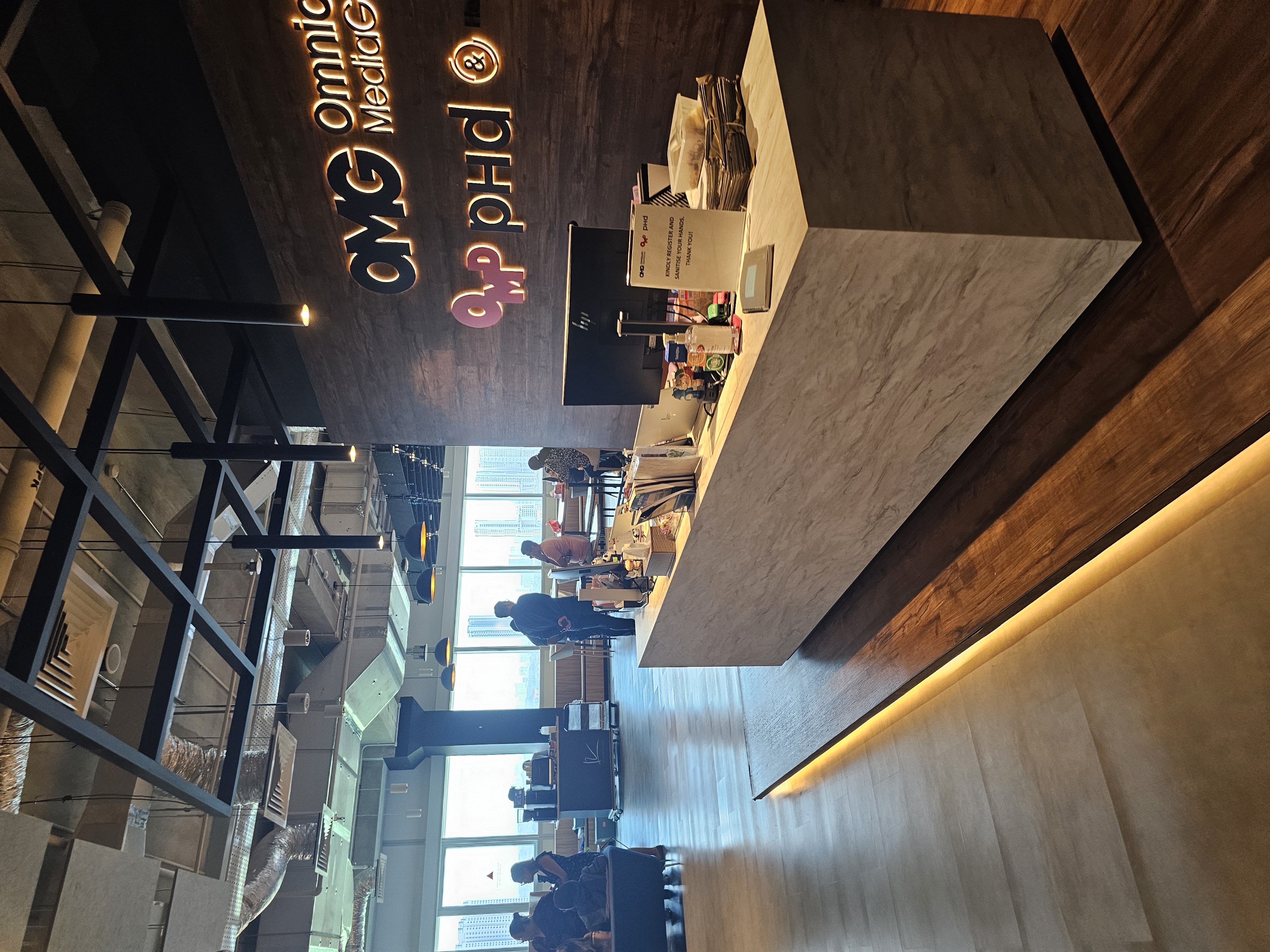
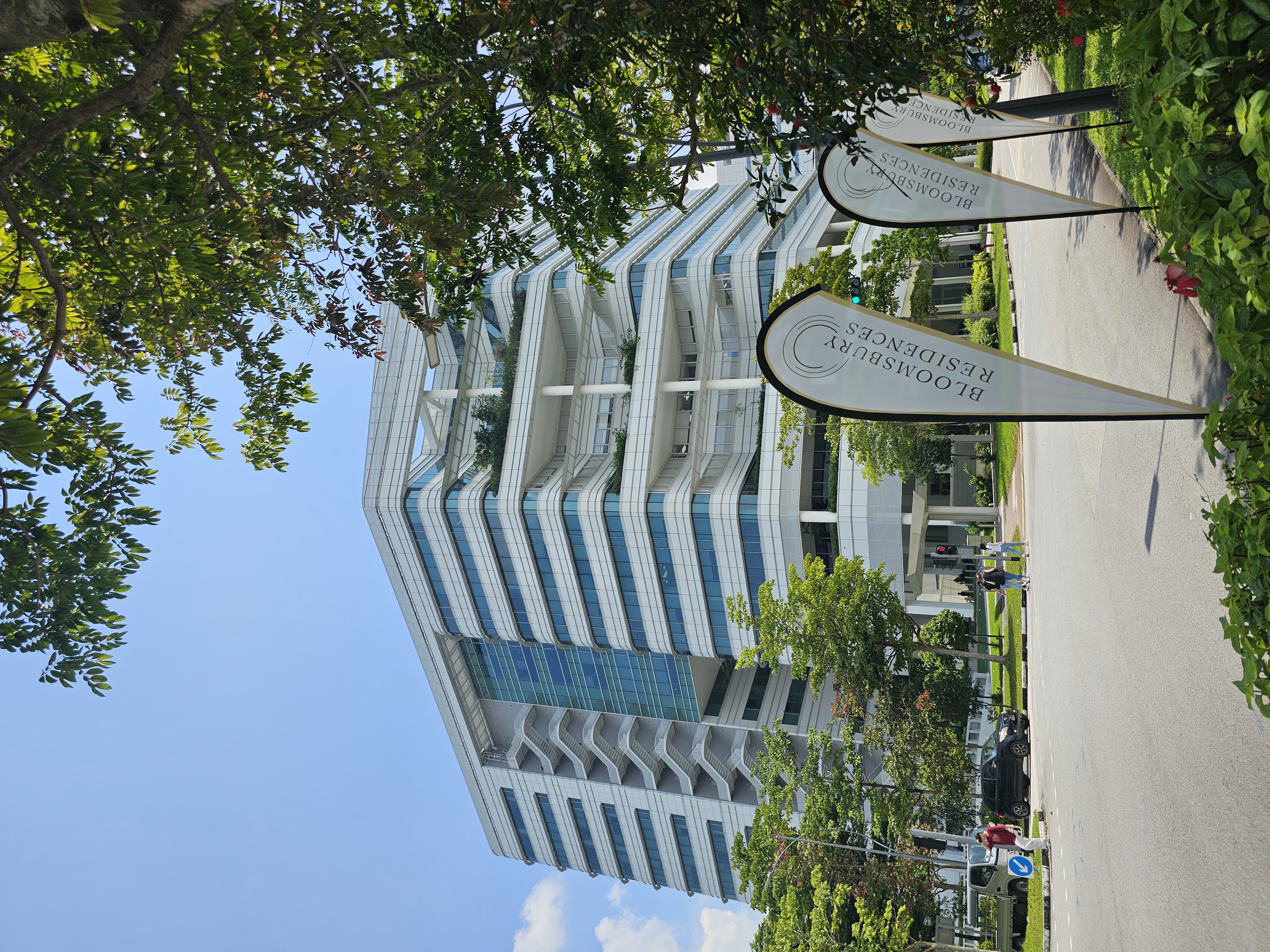
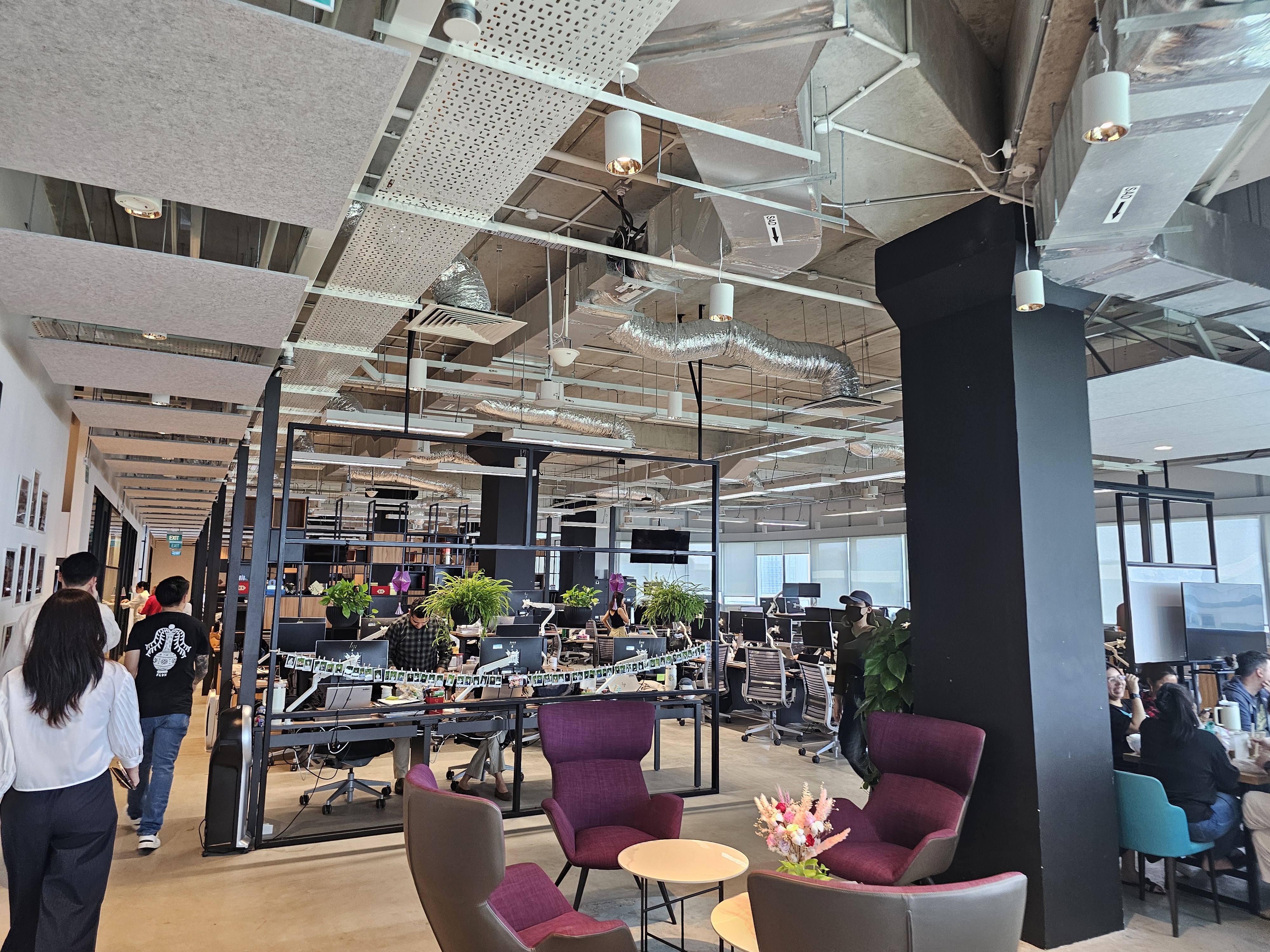
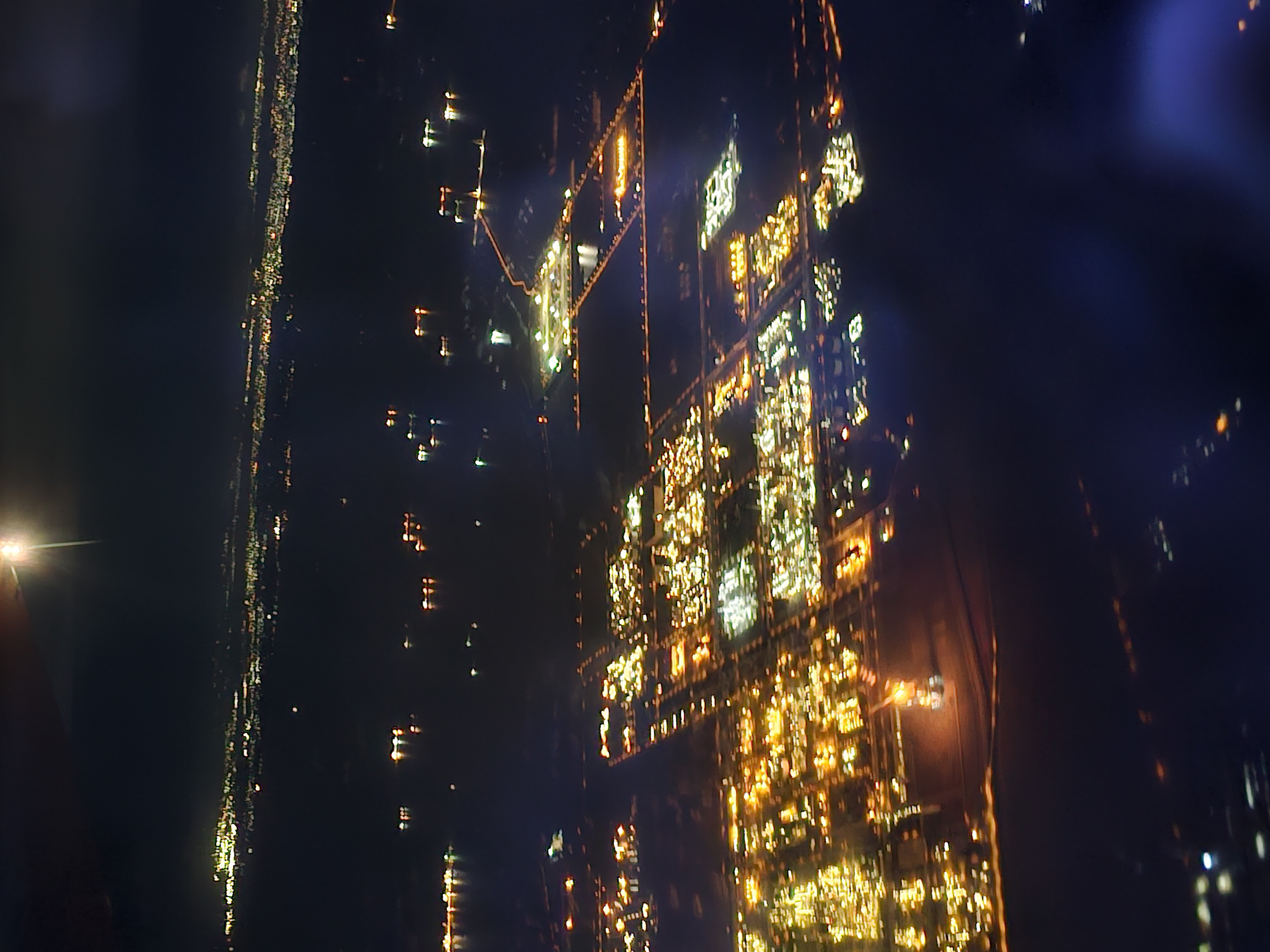
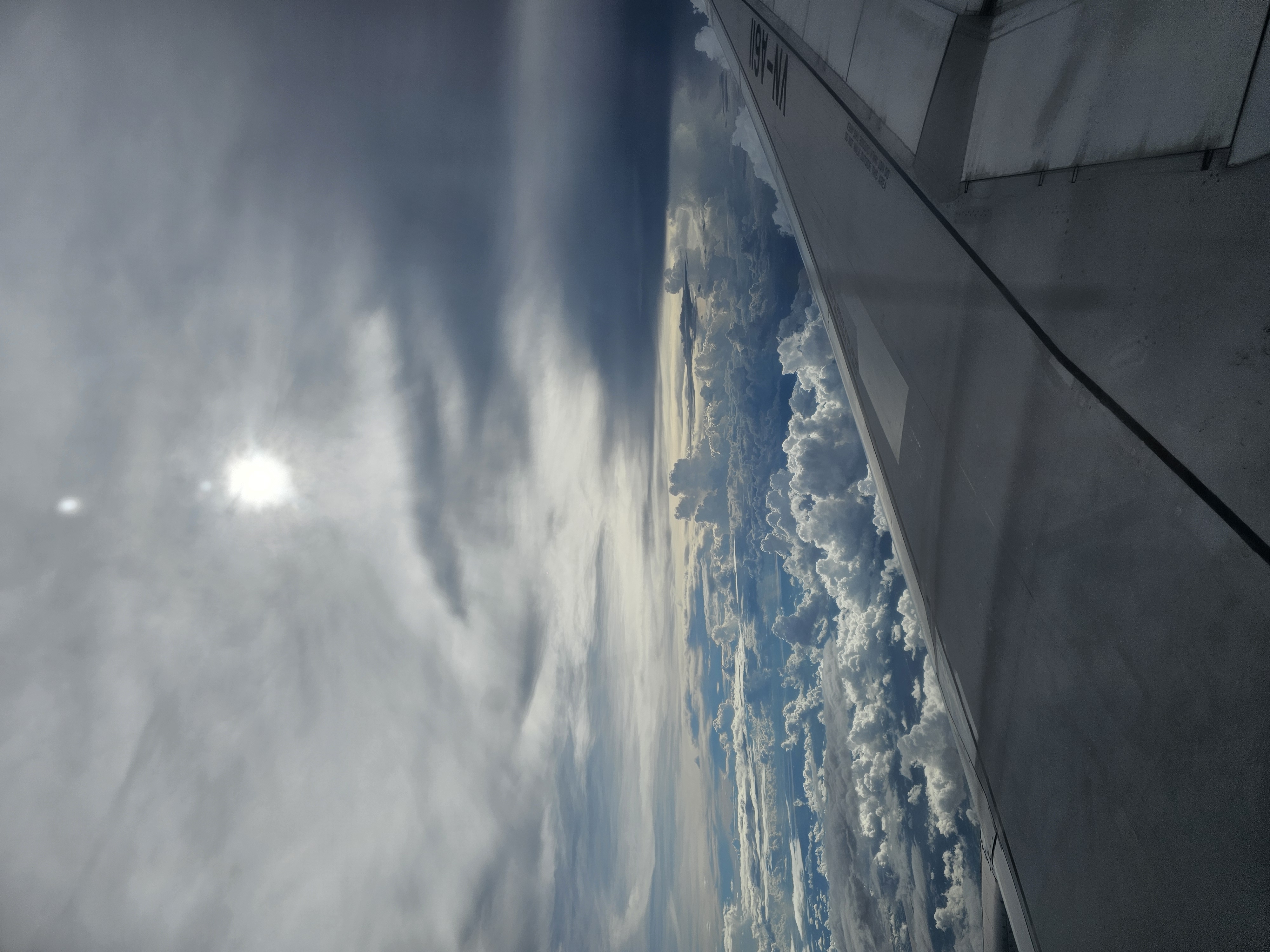
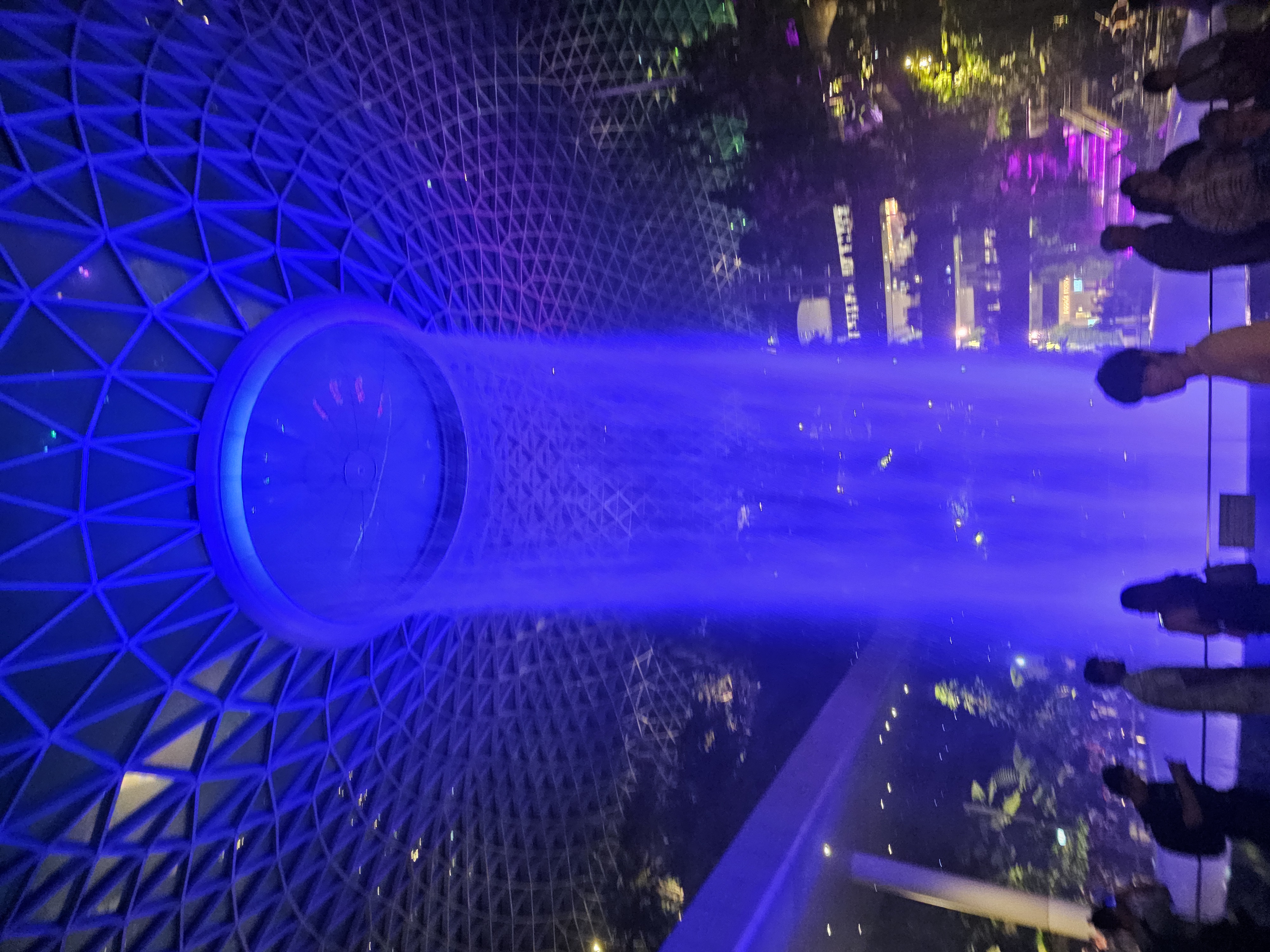
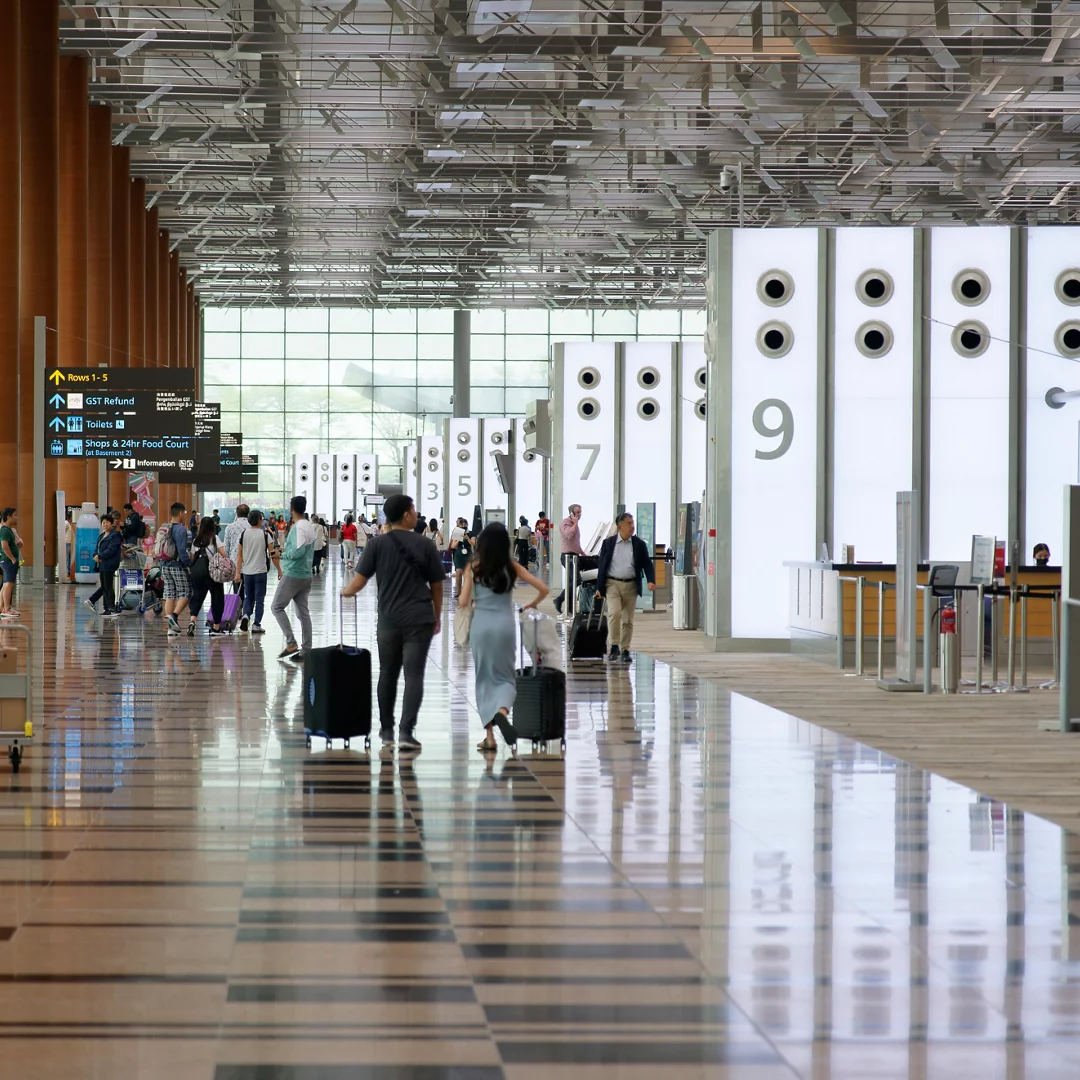
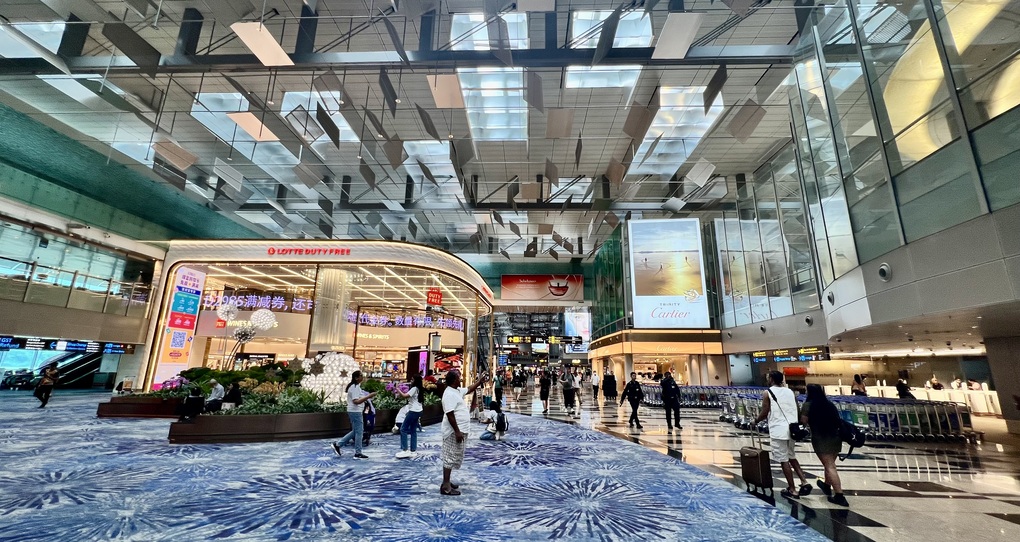
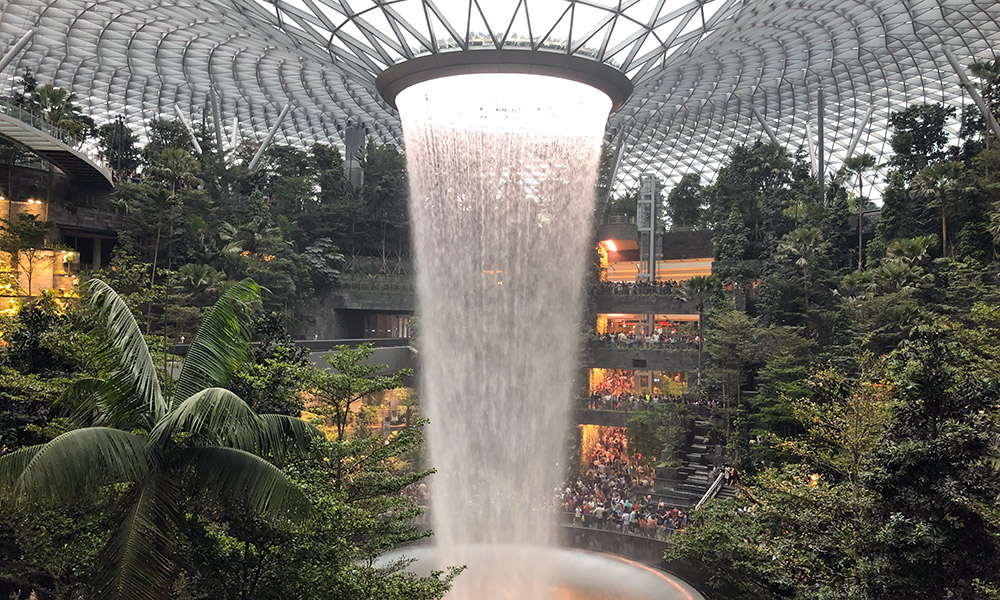
The following photographs were composited to create the Changi Airport visual artifact above:
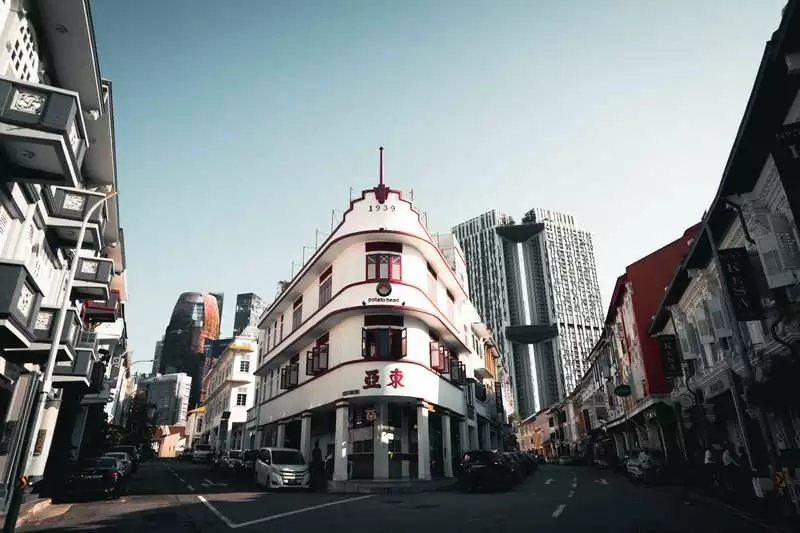
Chinatown
Chinatown Synthesized Noise Recording
Source Images
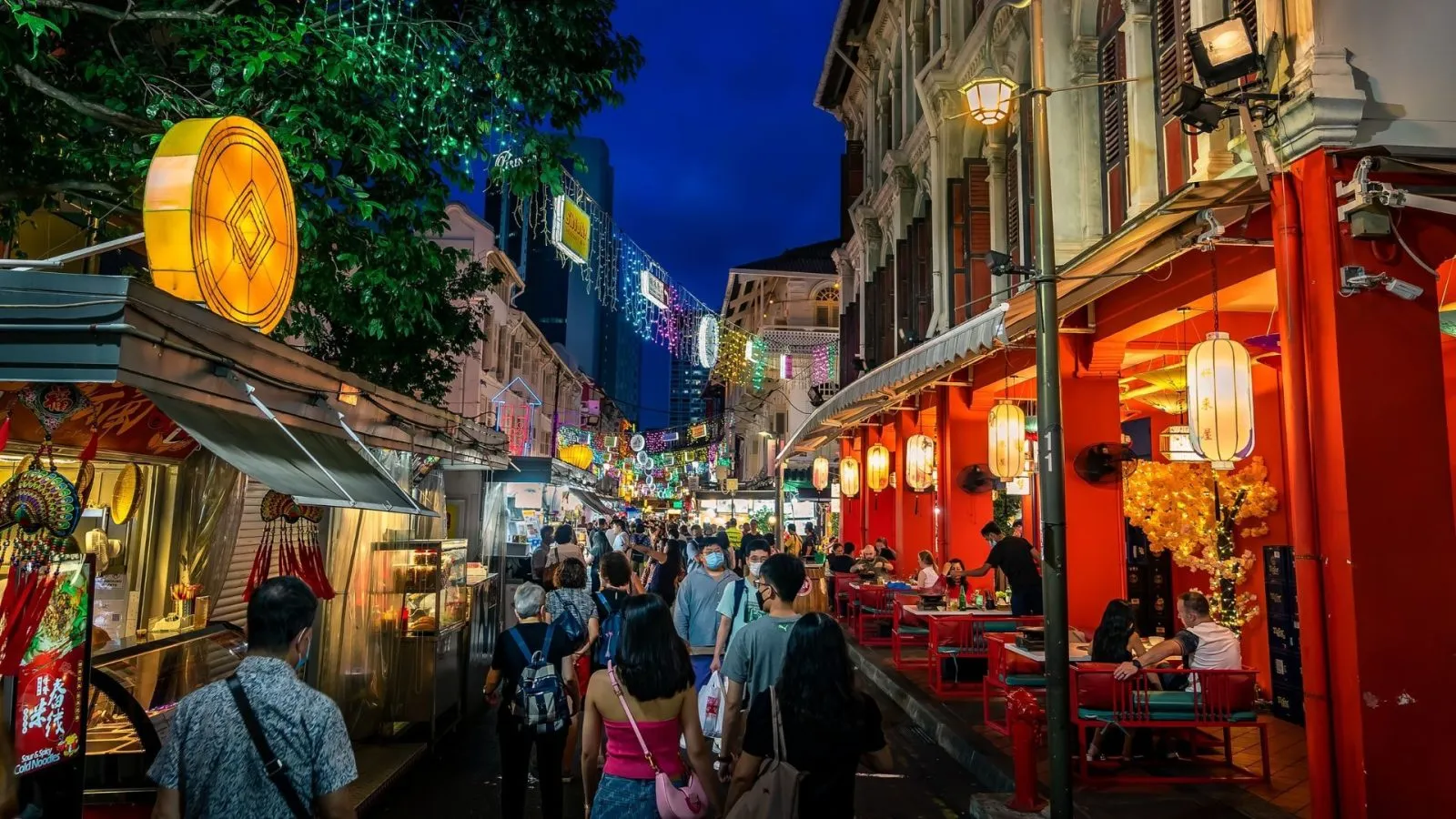
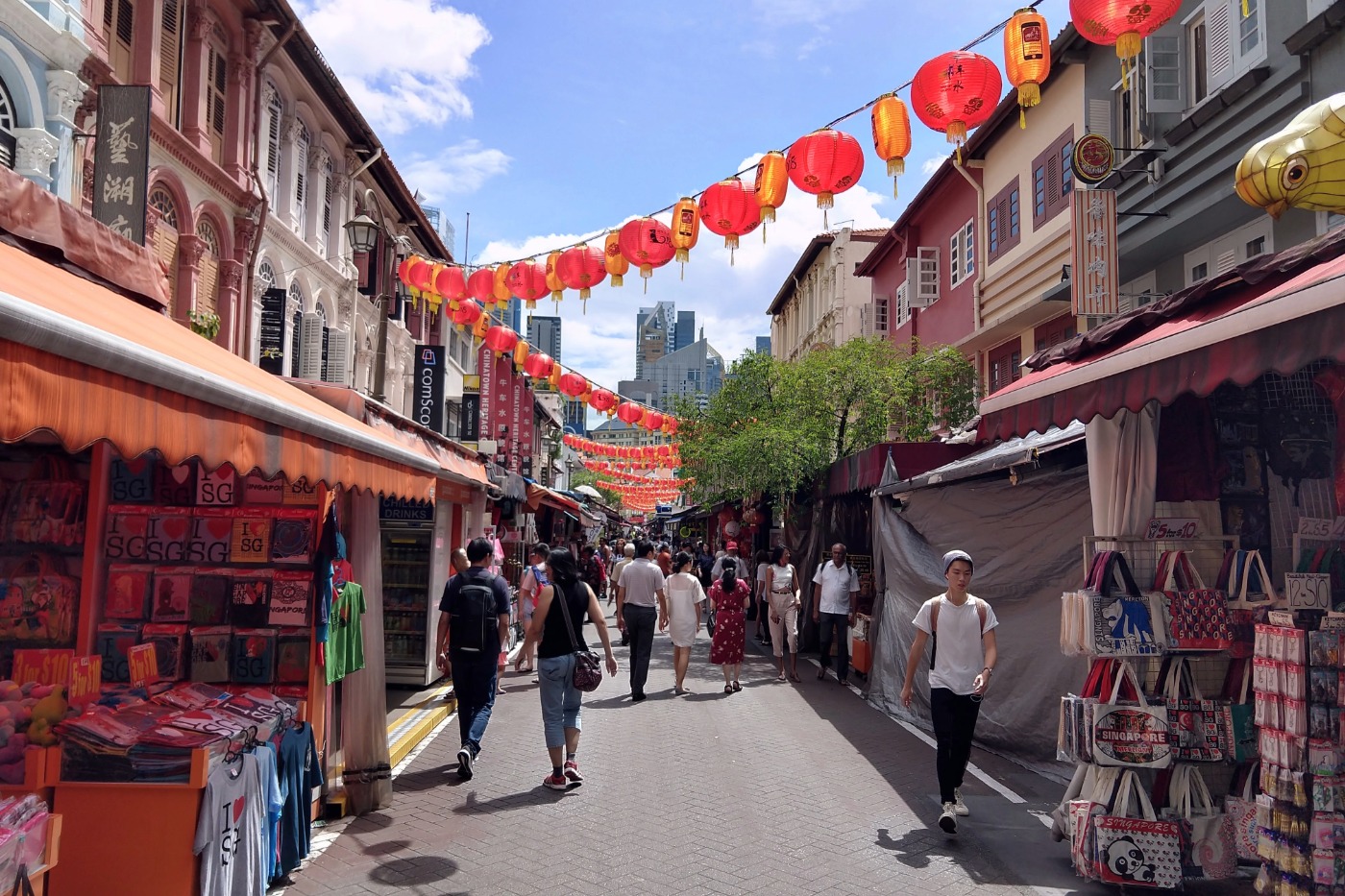
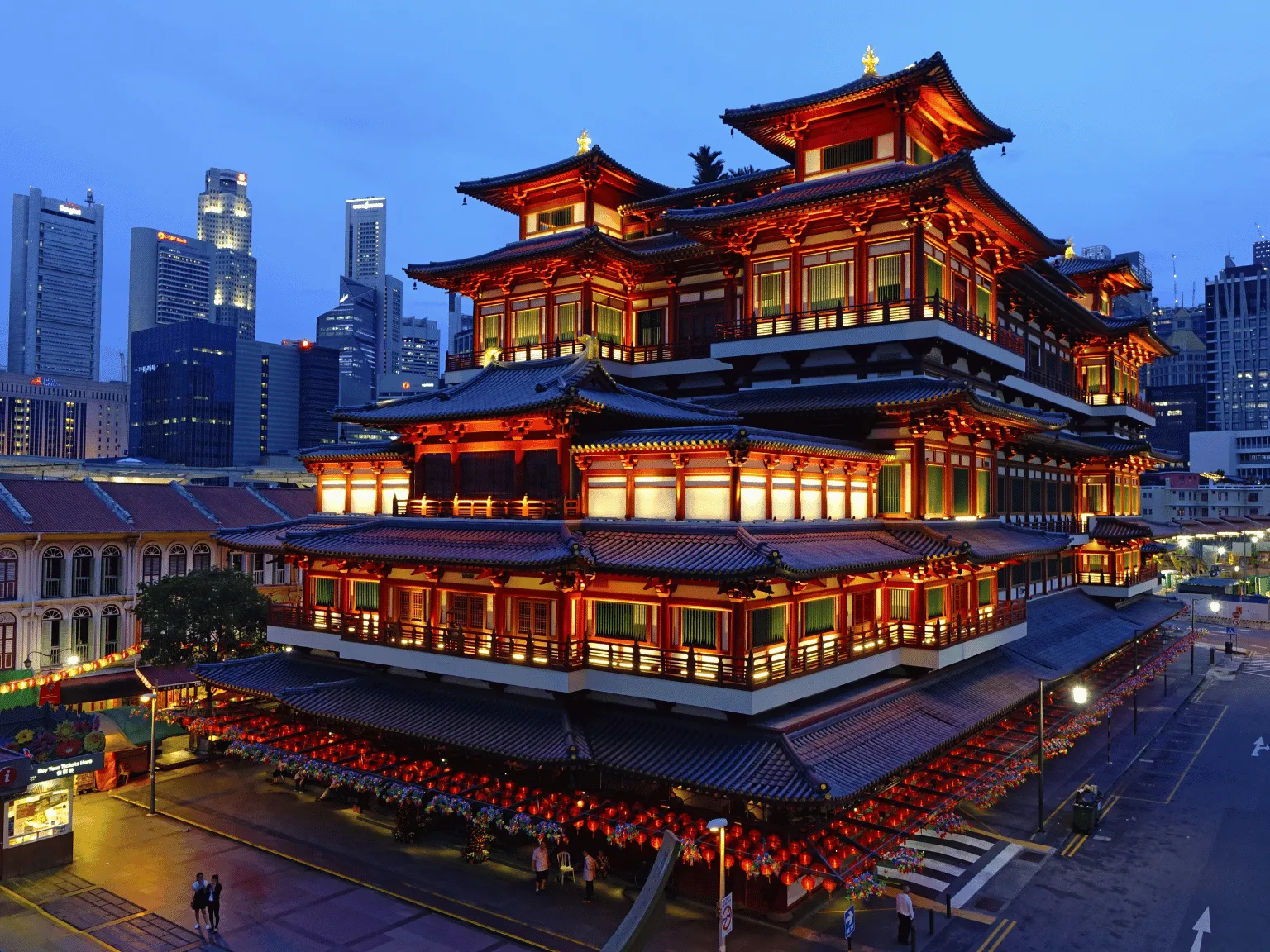
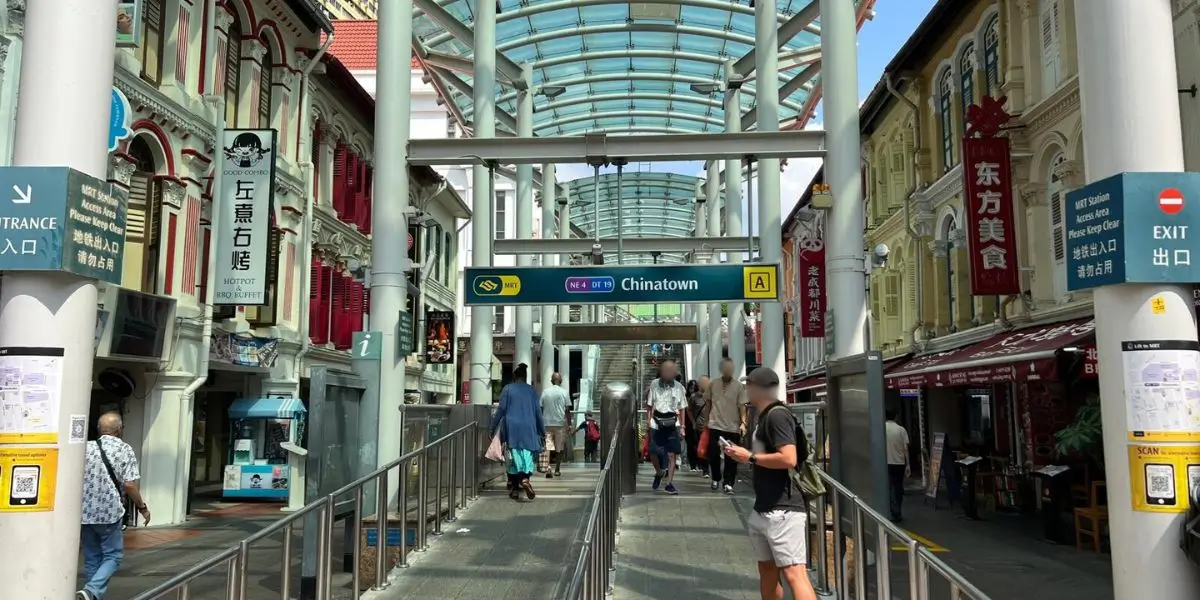
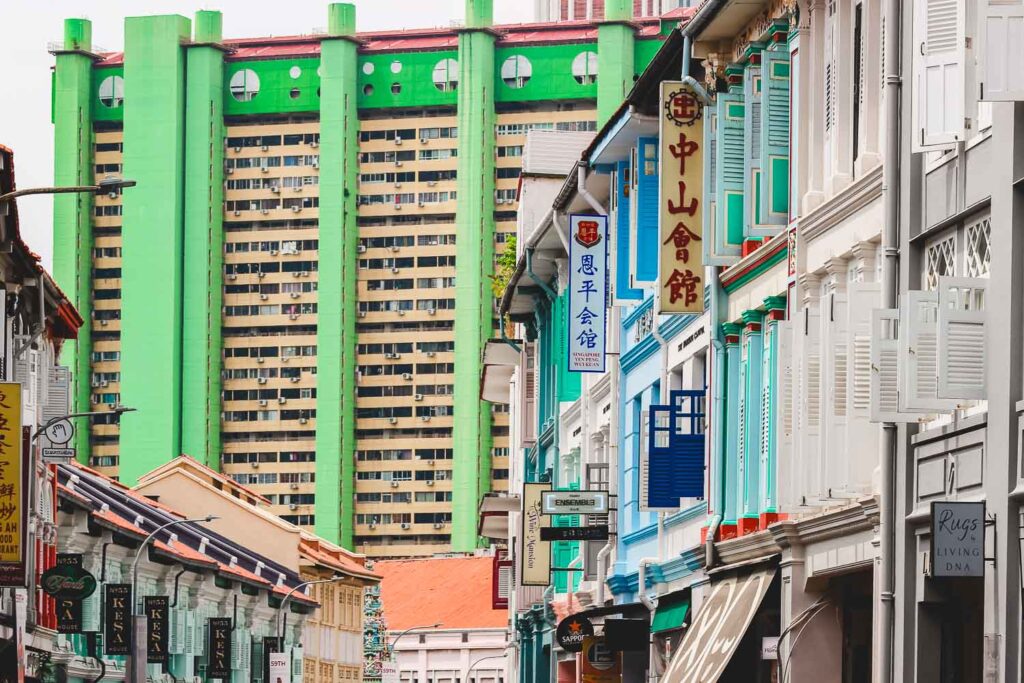
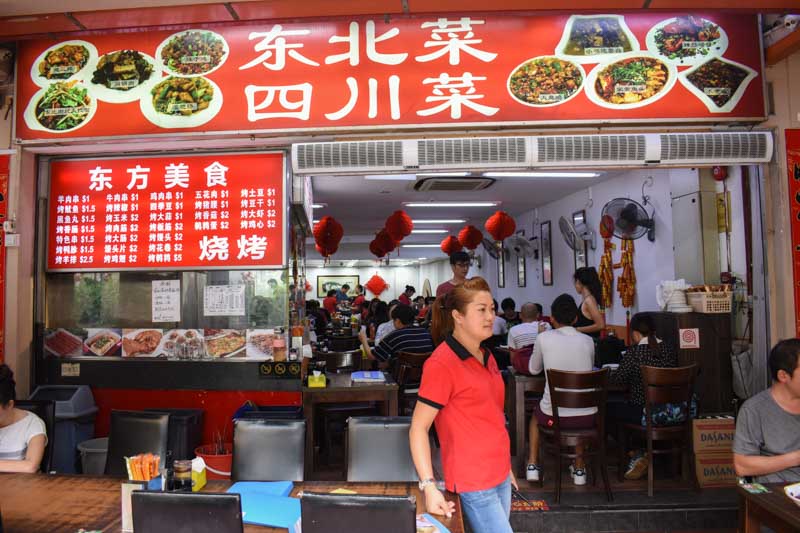
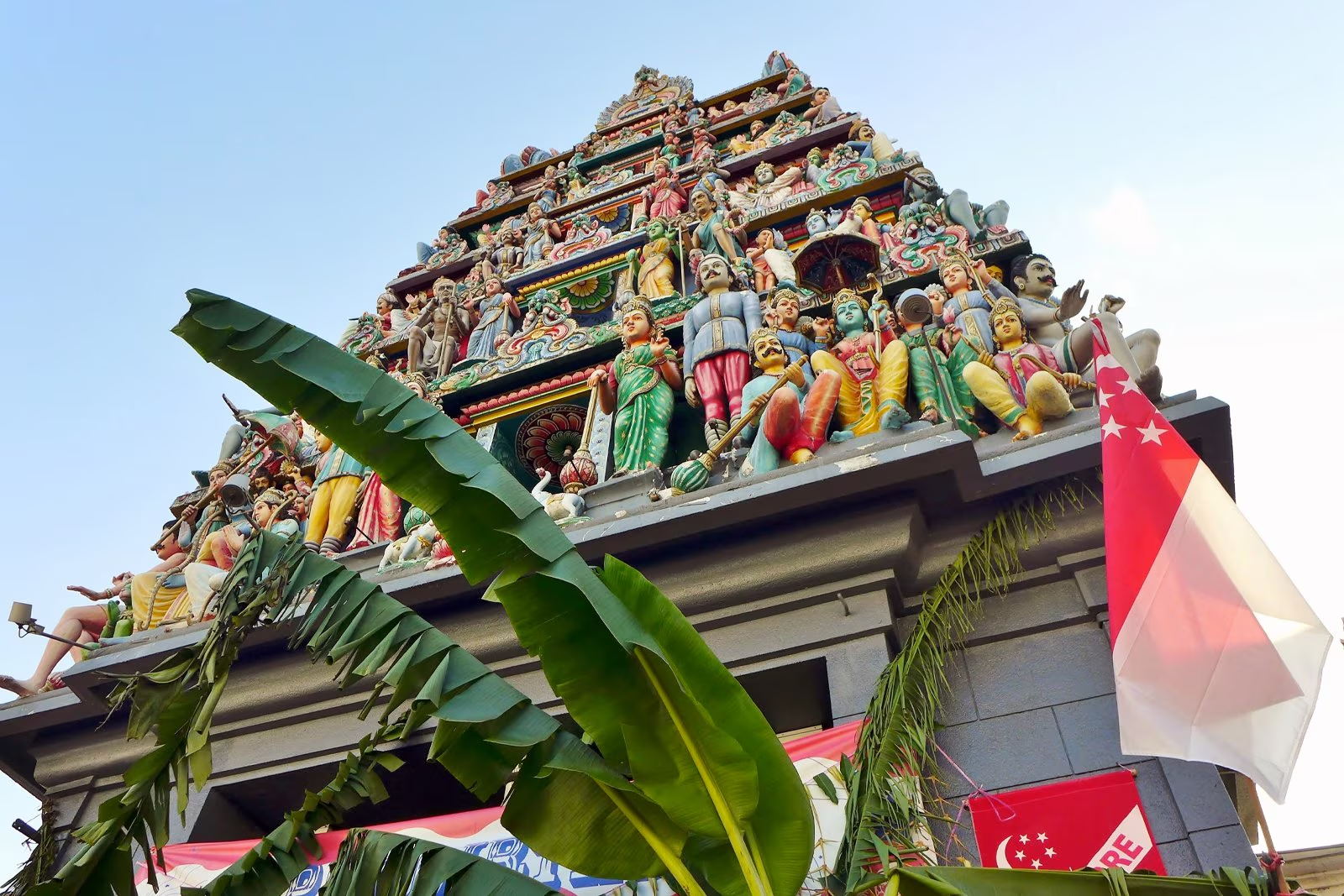
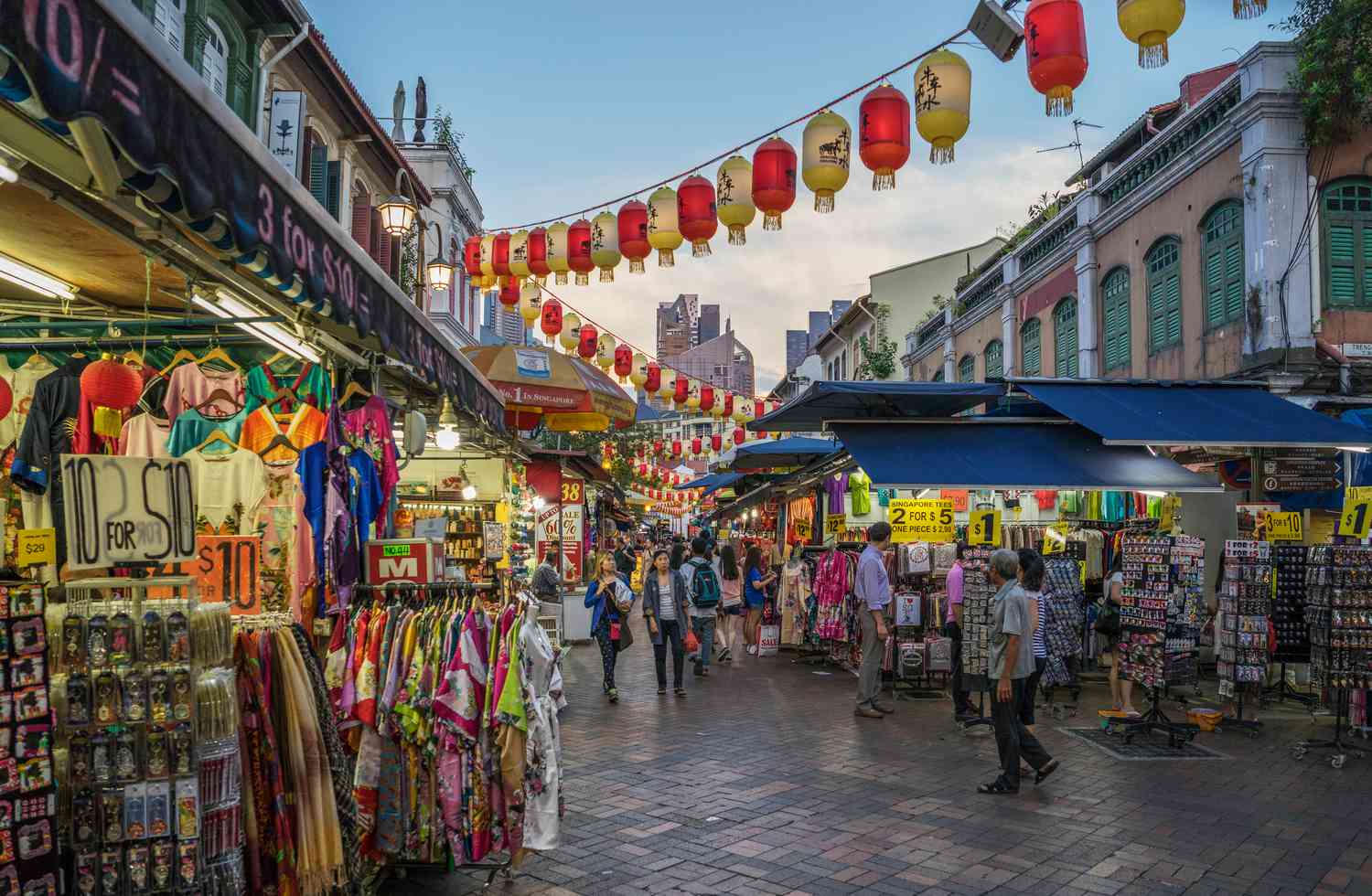
The following photographs were composited to create the Chinatown visual artifact above:
City Hall
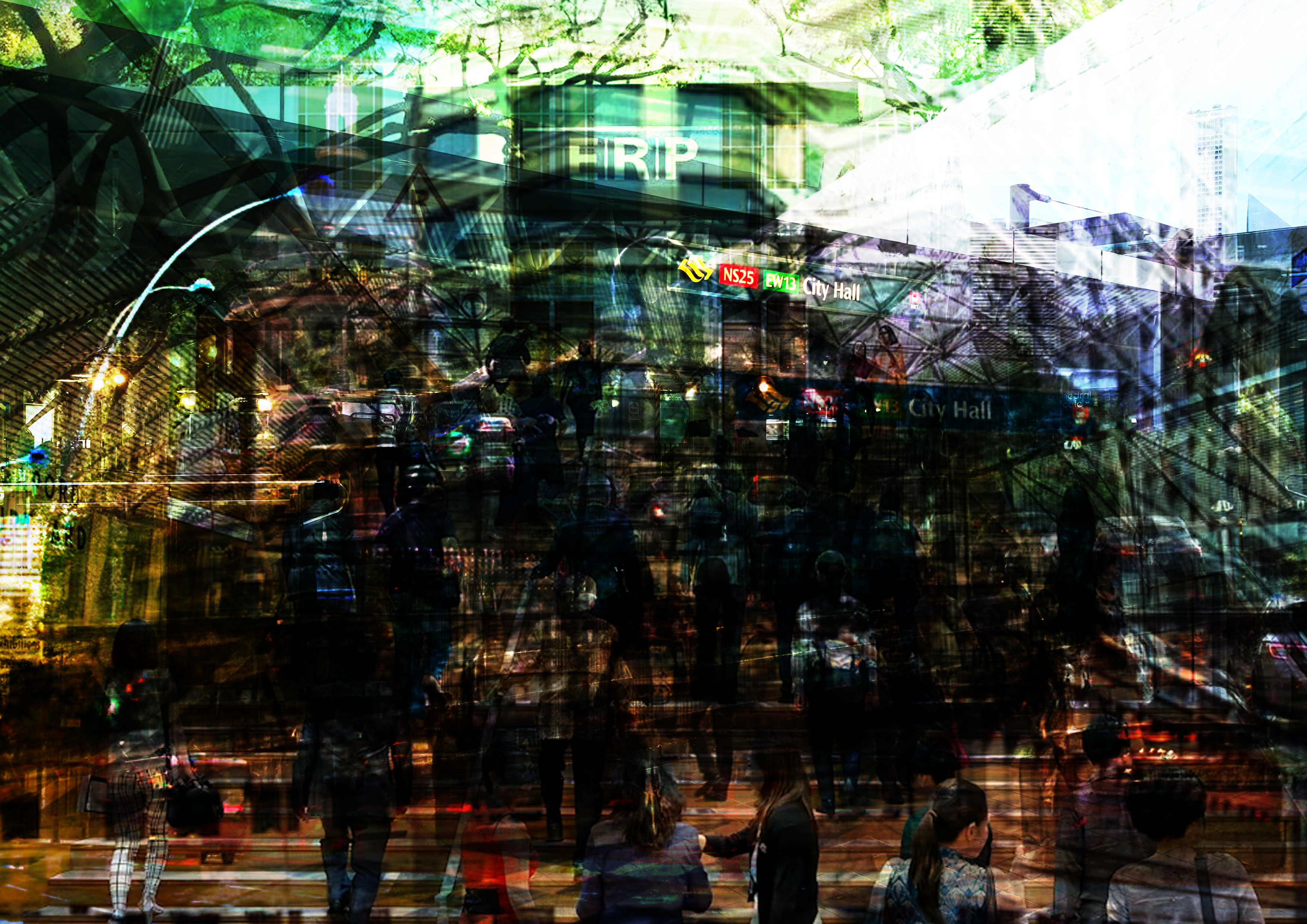
City Hall Synthesized Noise Recording
Source Images
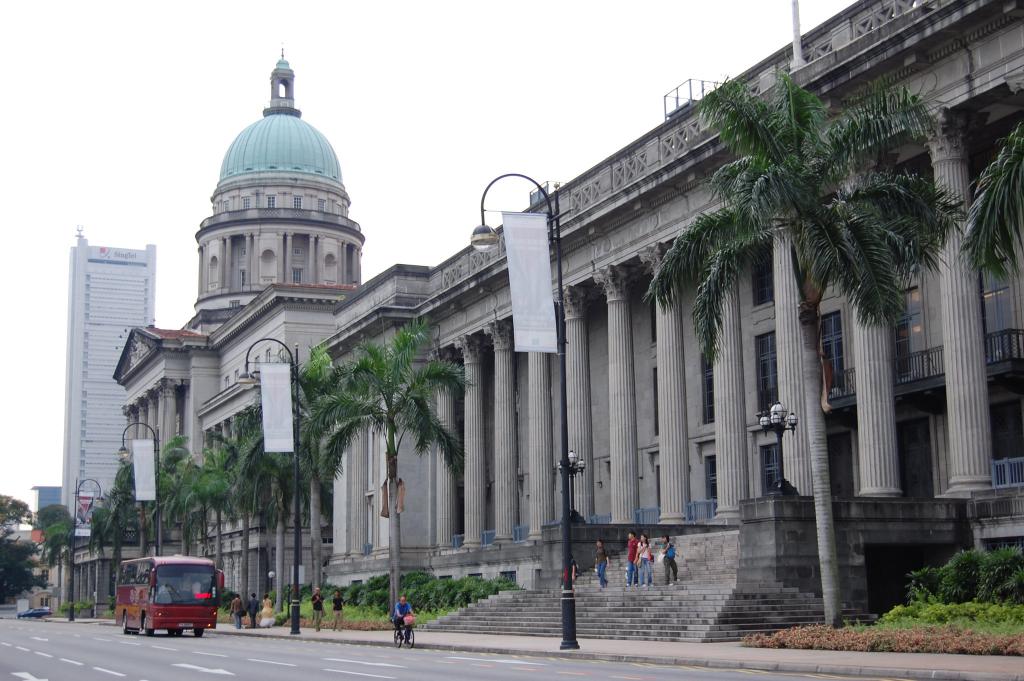
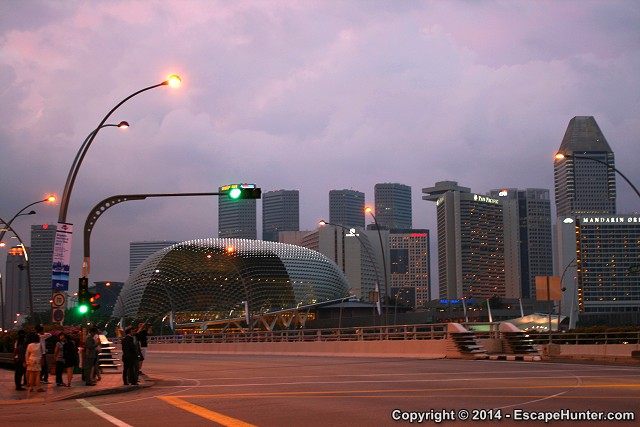
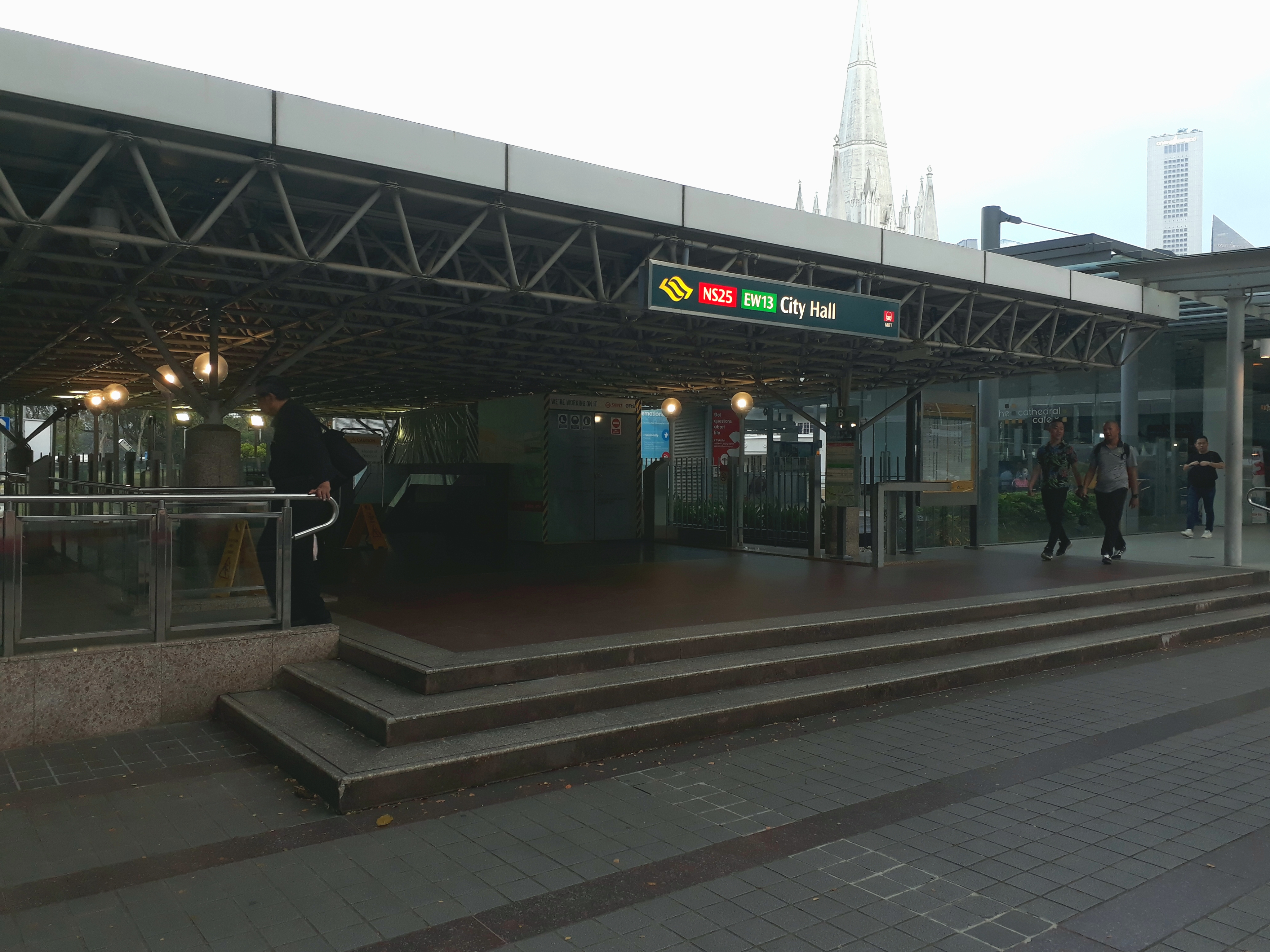
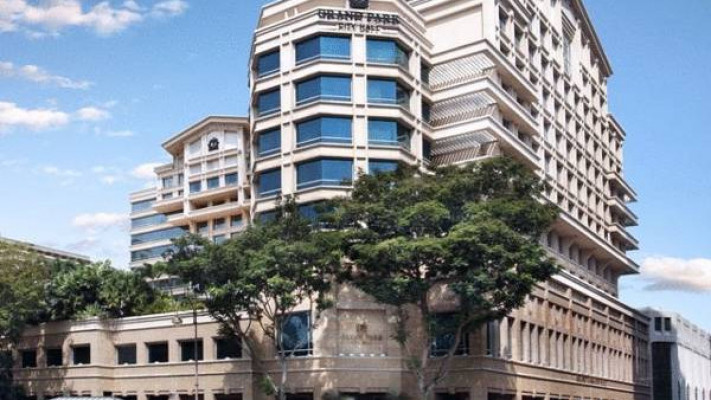
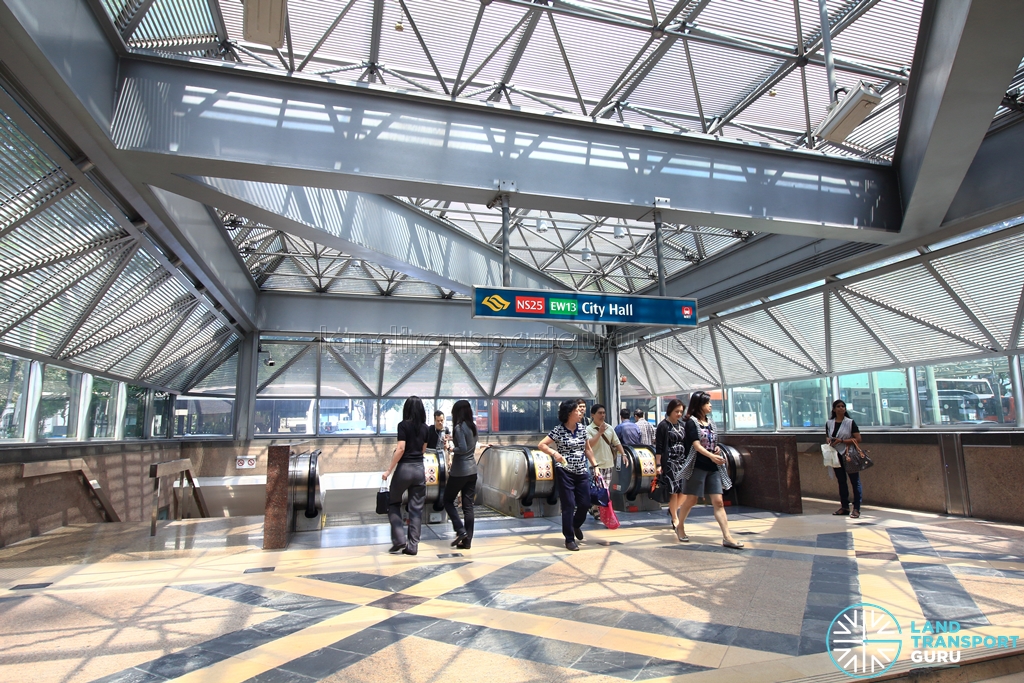
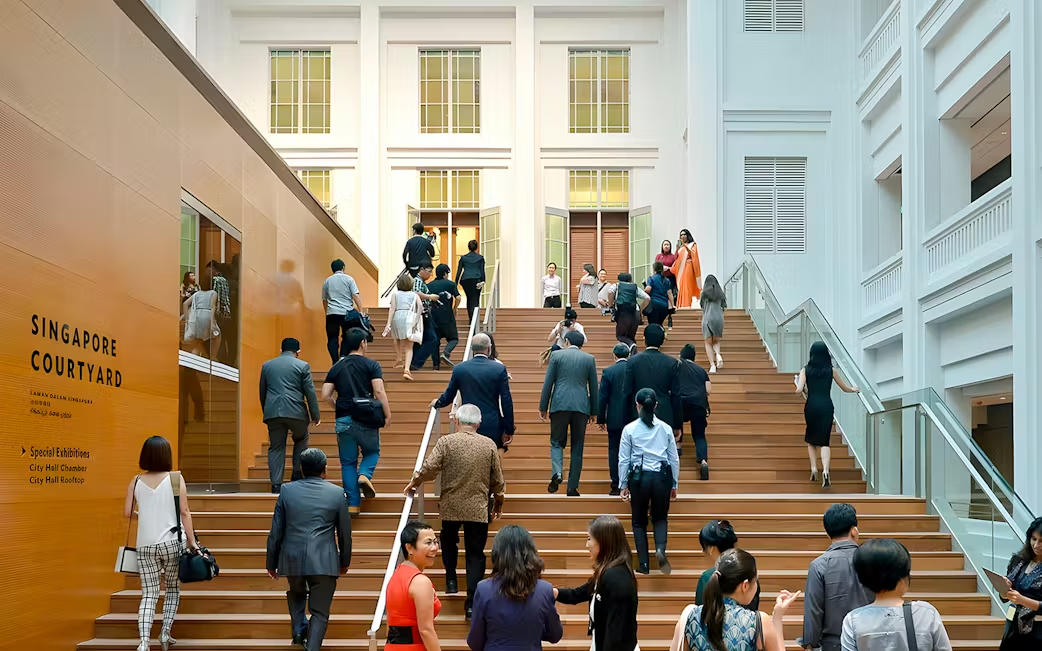
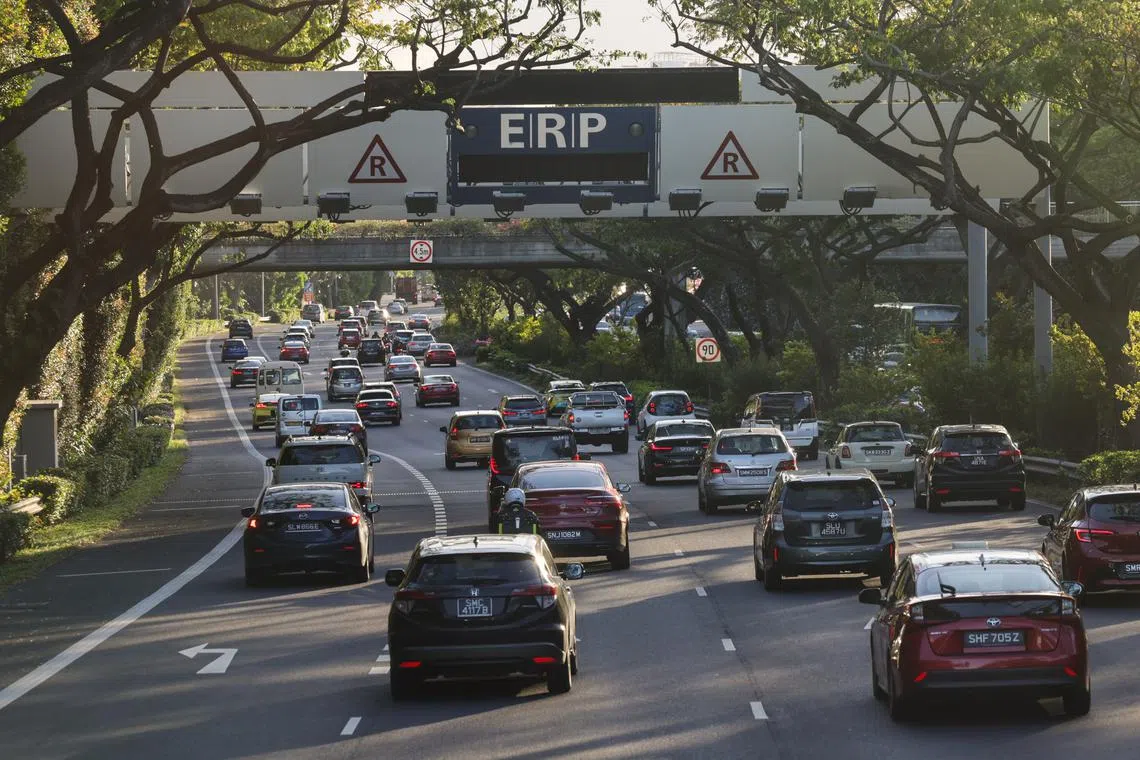
The following photographs were composited to create the City Hall visual artifact above:
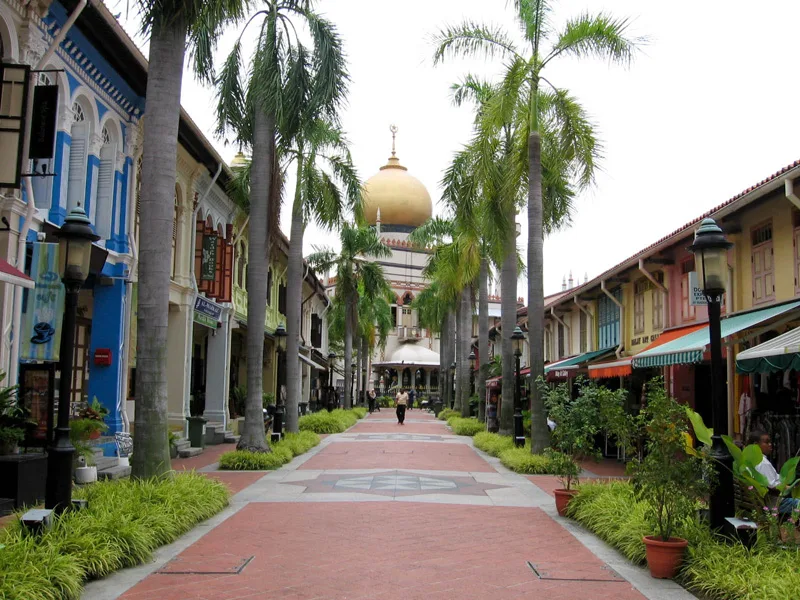
Haji Lane
Haji Lane Synthesized Noise Recording
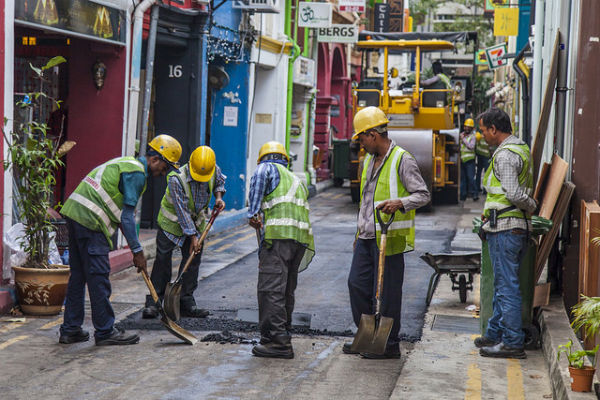
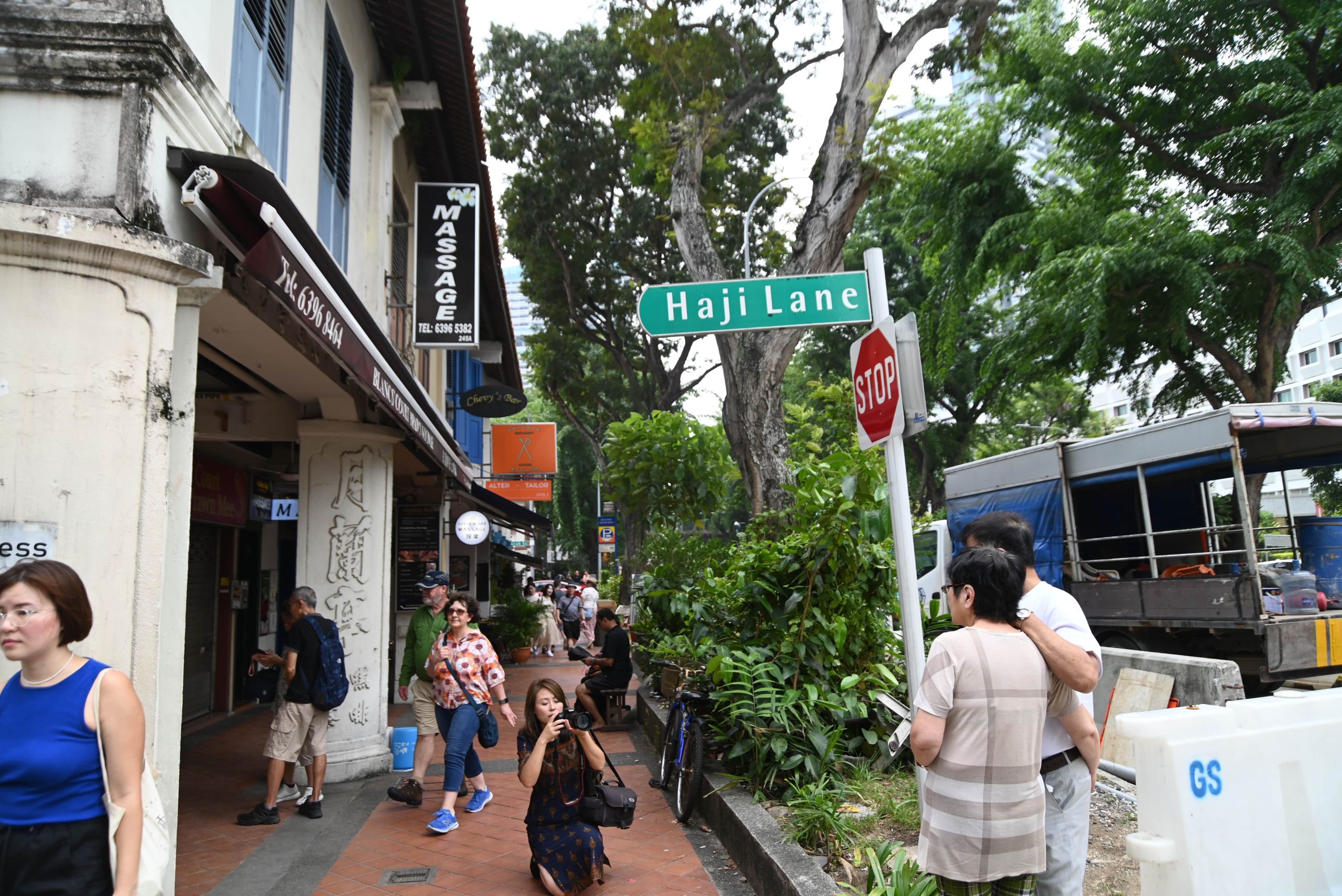
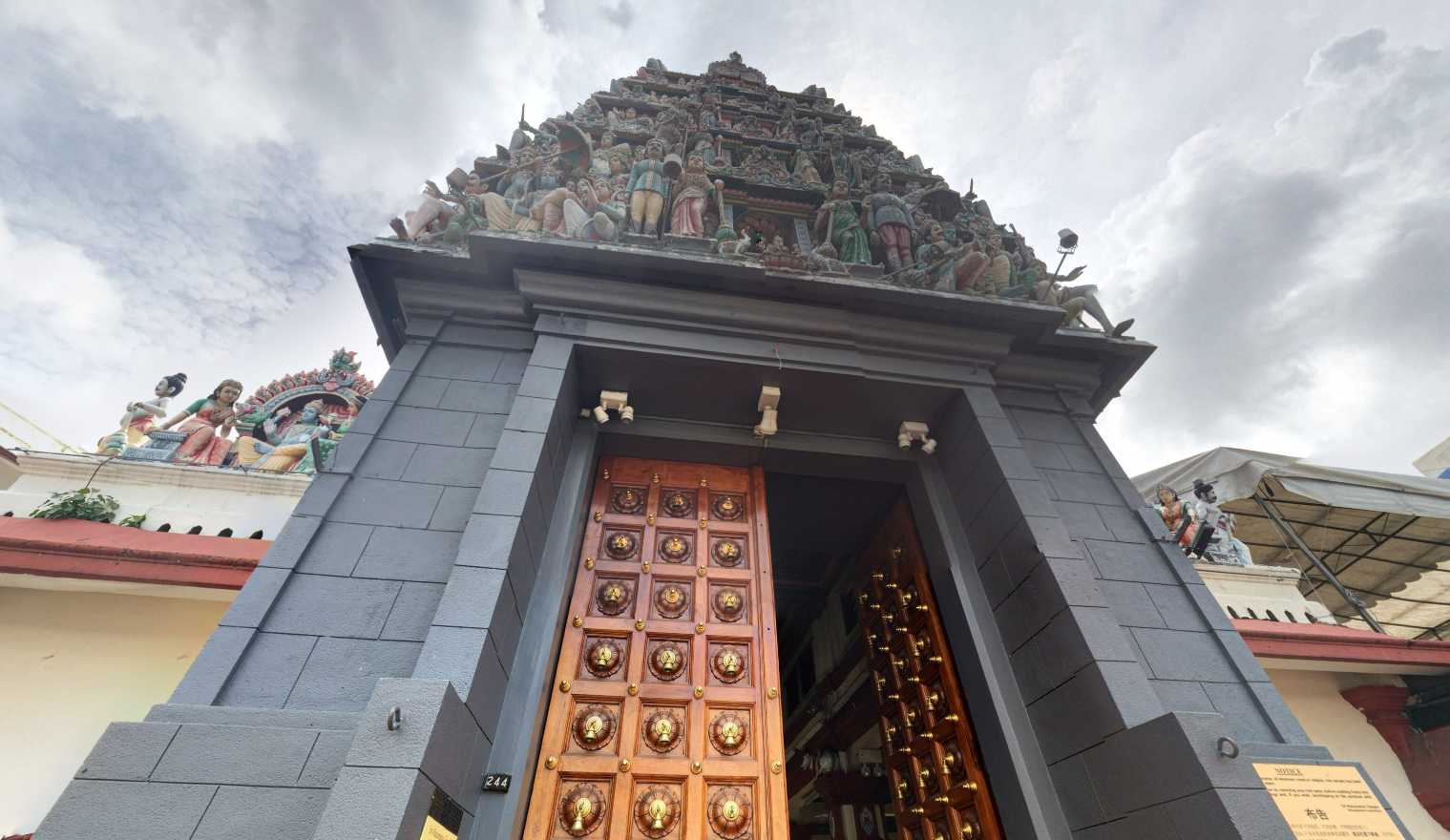
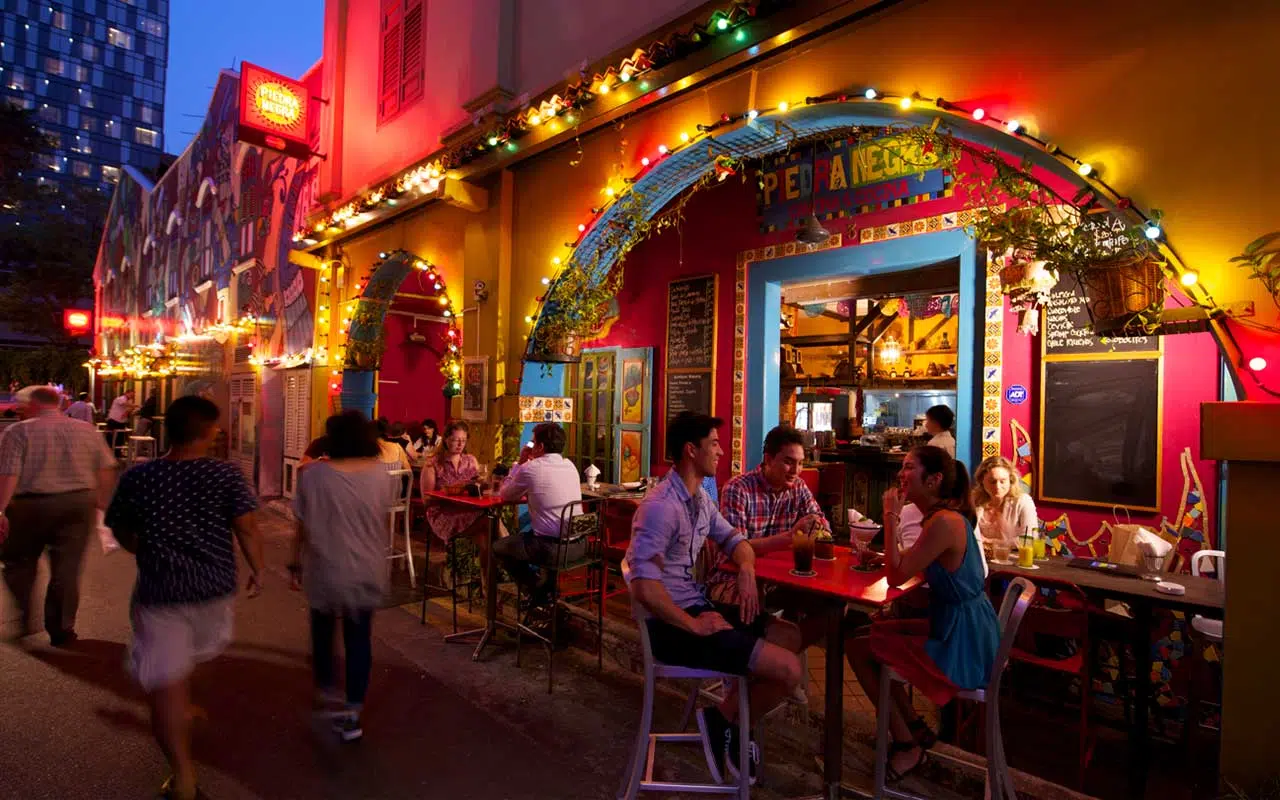
Source Images
The following photographs were composited to create the Haji Lane visual artifact above:
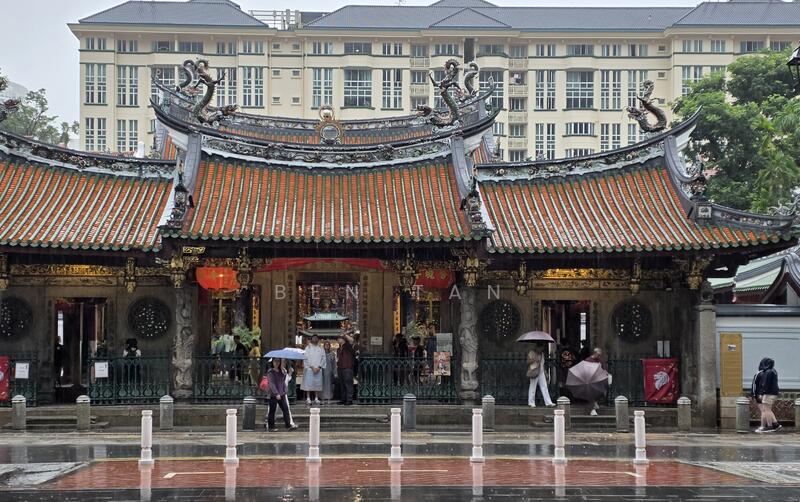
Jurong West
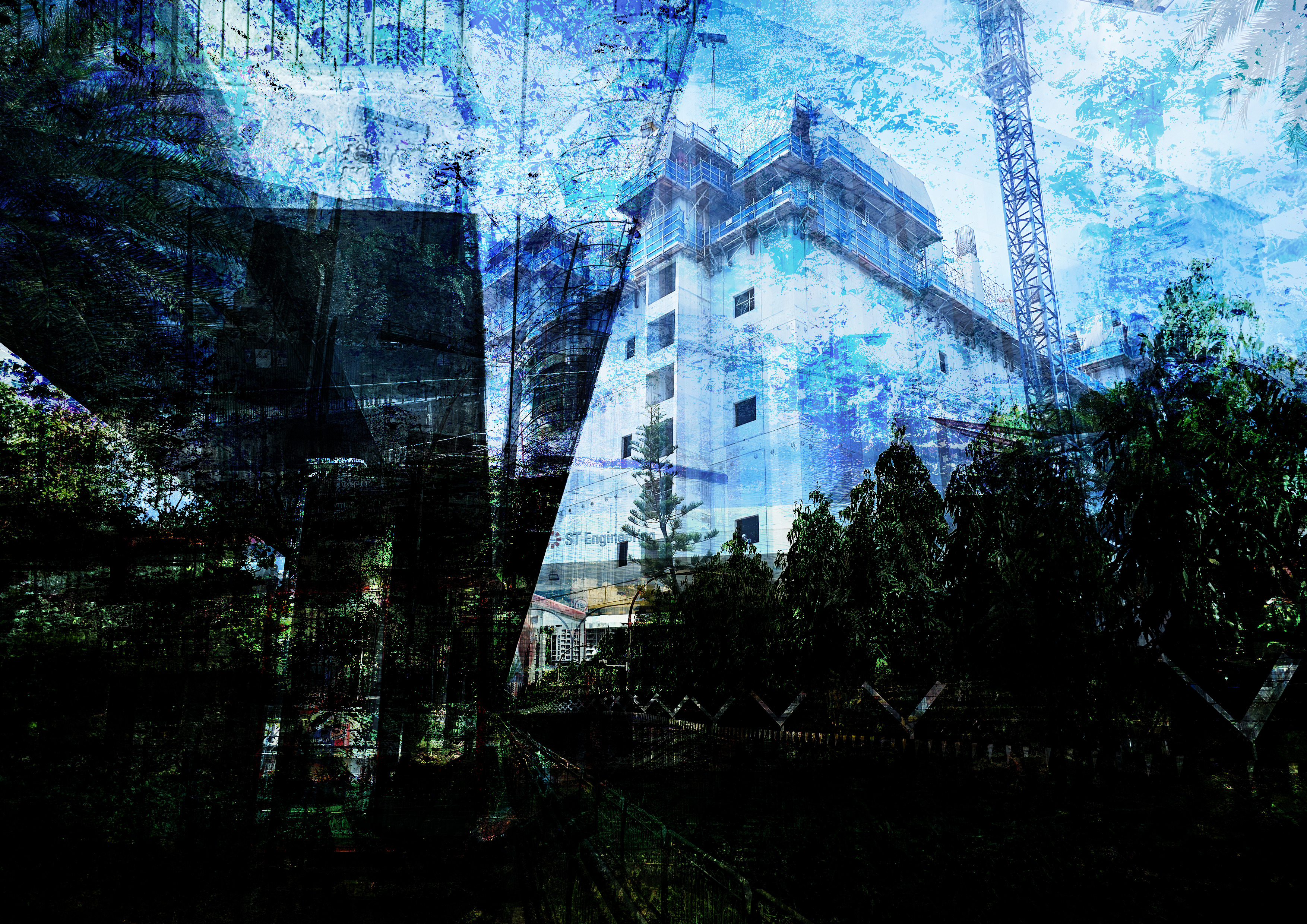
Jurong West Synthesized Noise Recording
Source Images
The following photographs were composited to create the Jurong West visual artifact above:
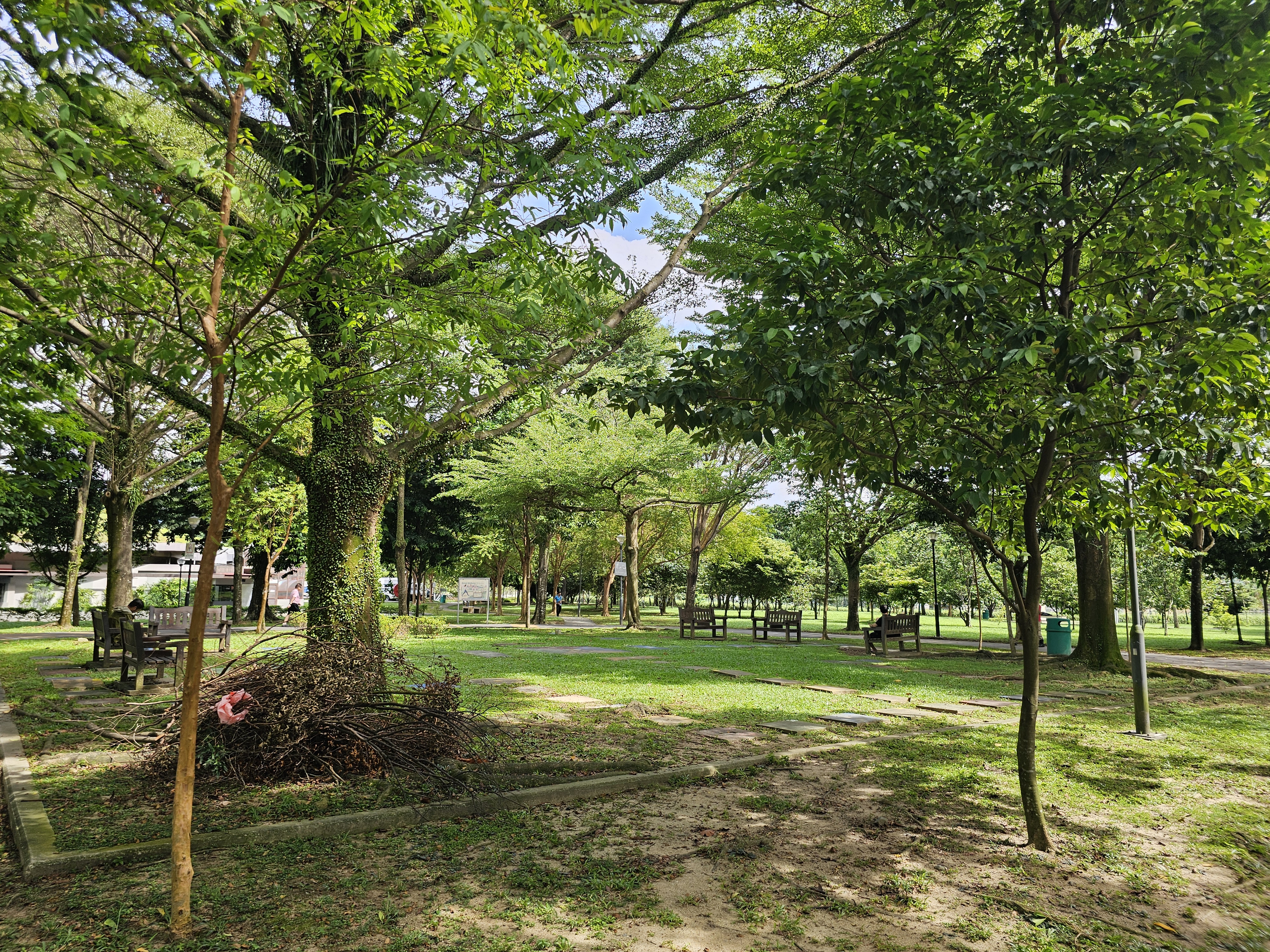
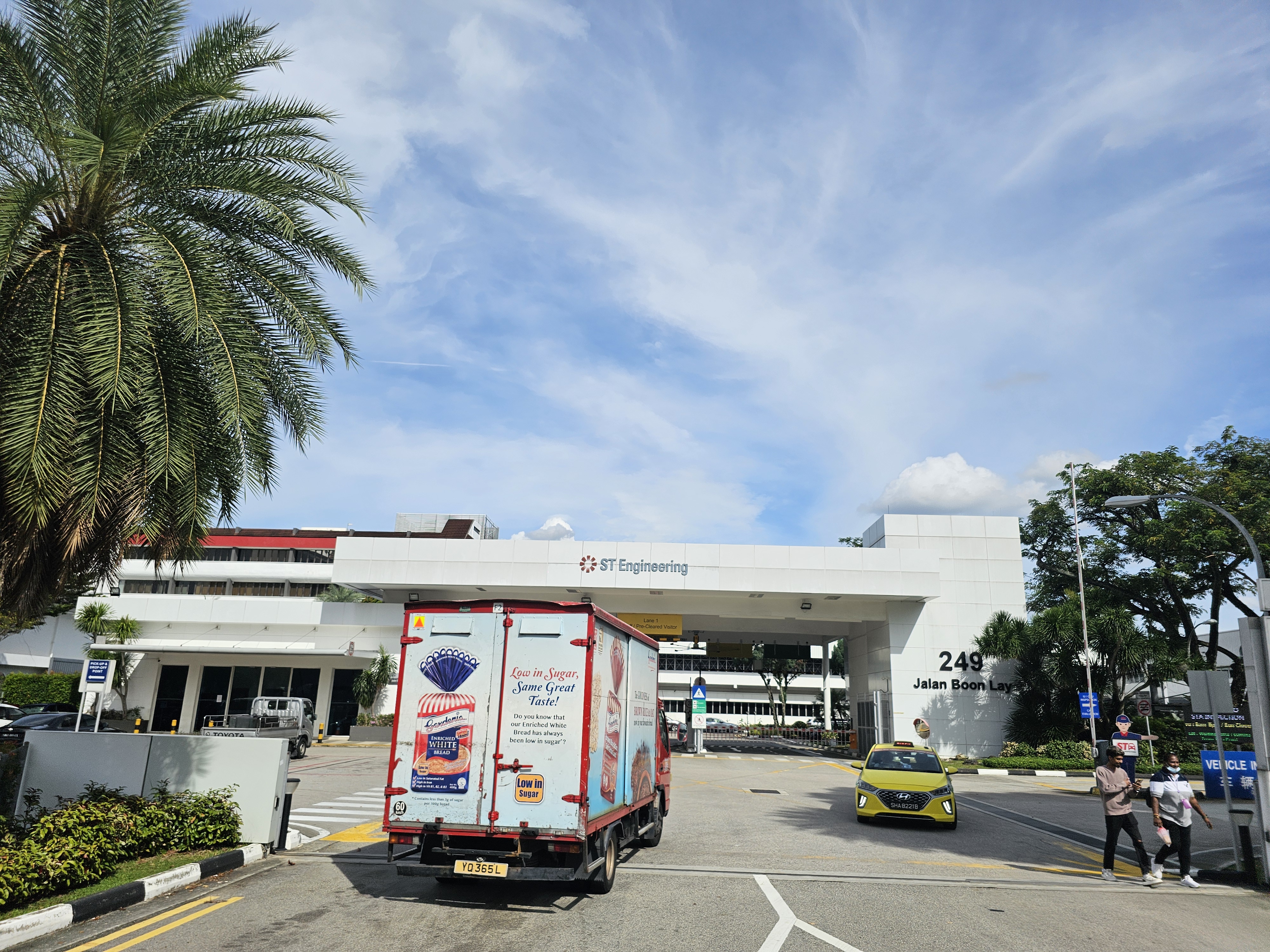
Marina Bay
Marina Bay Synthesized Noise Recording
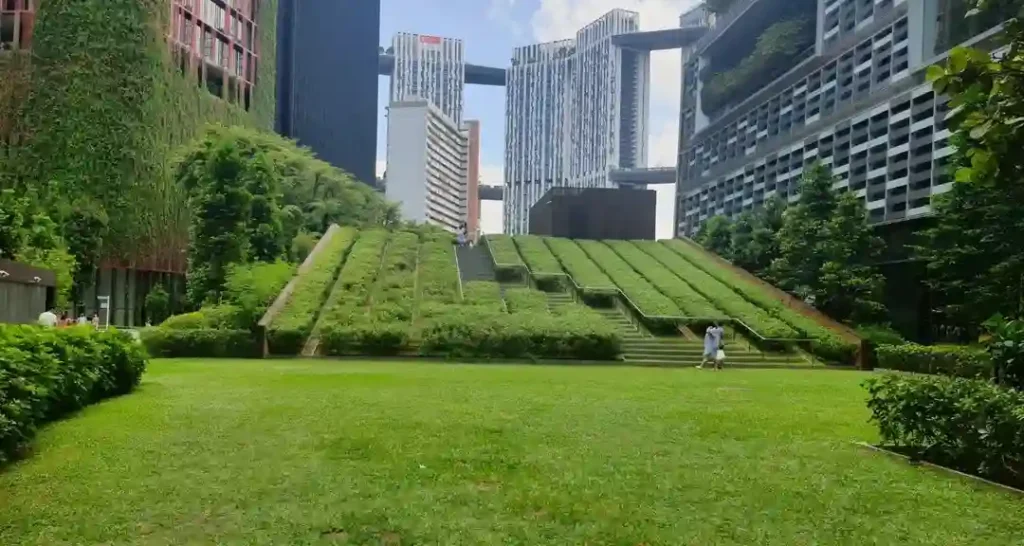
Source Images
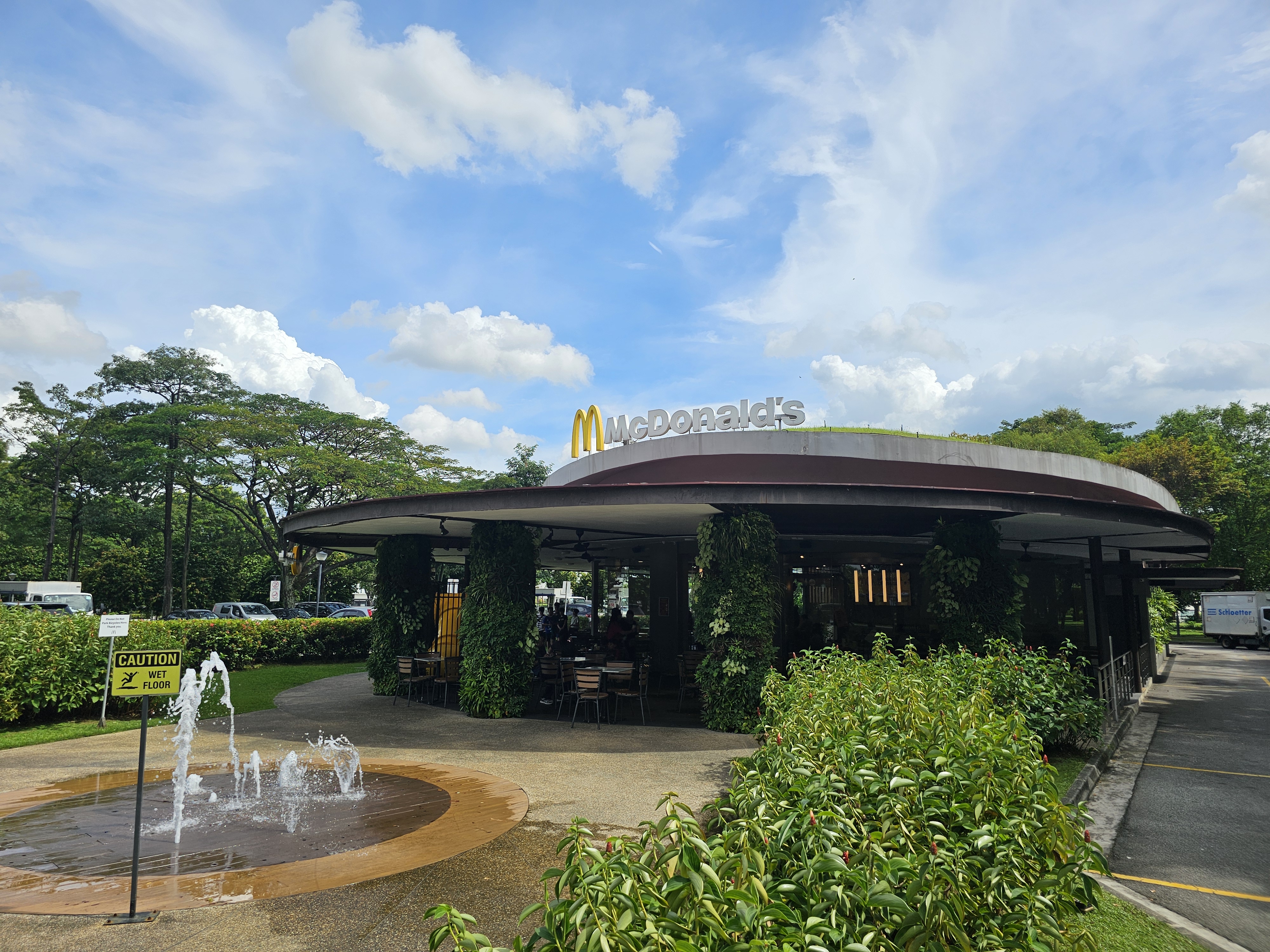
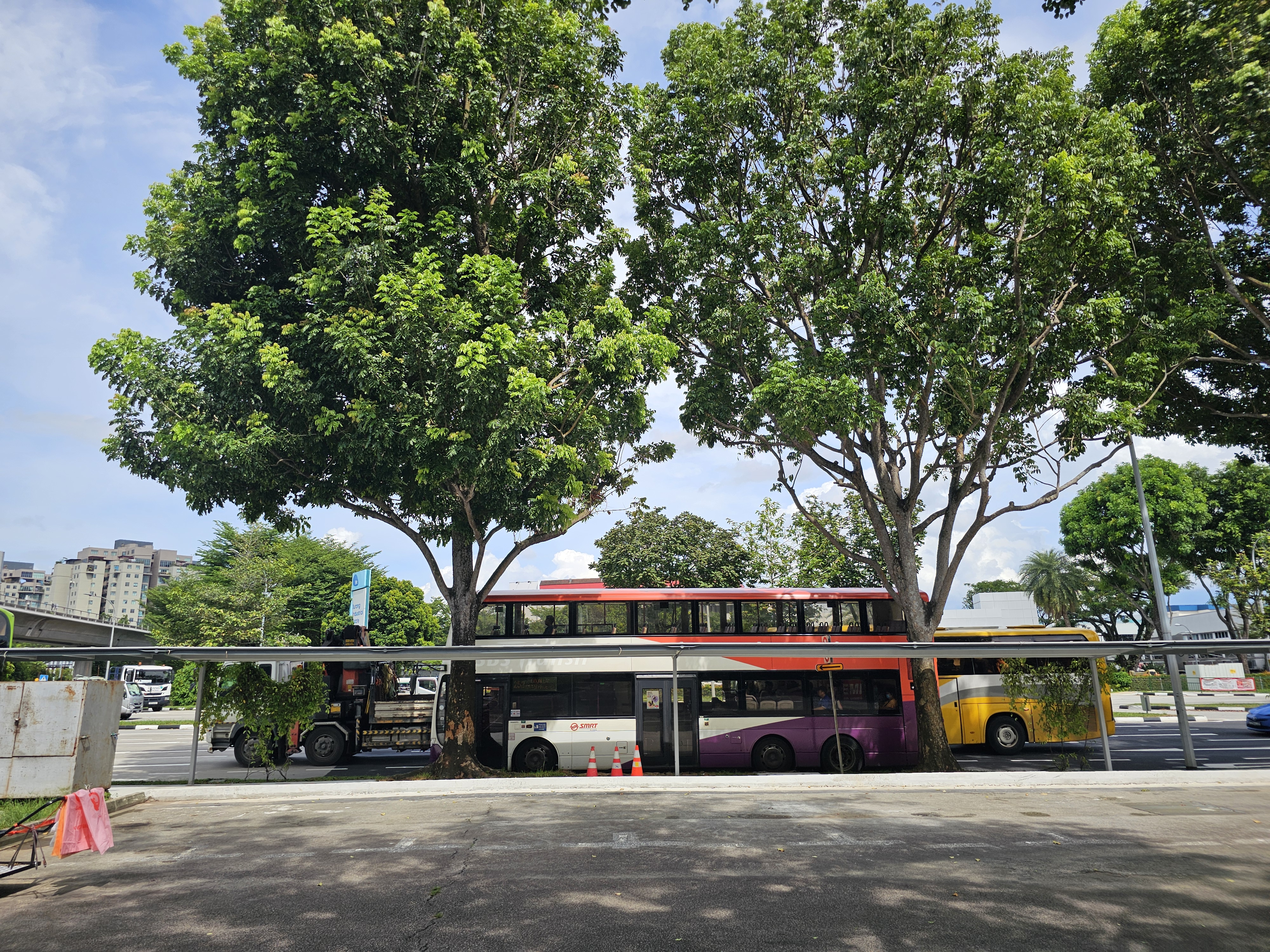
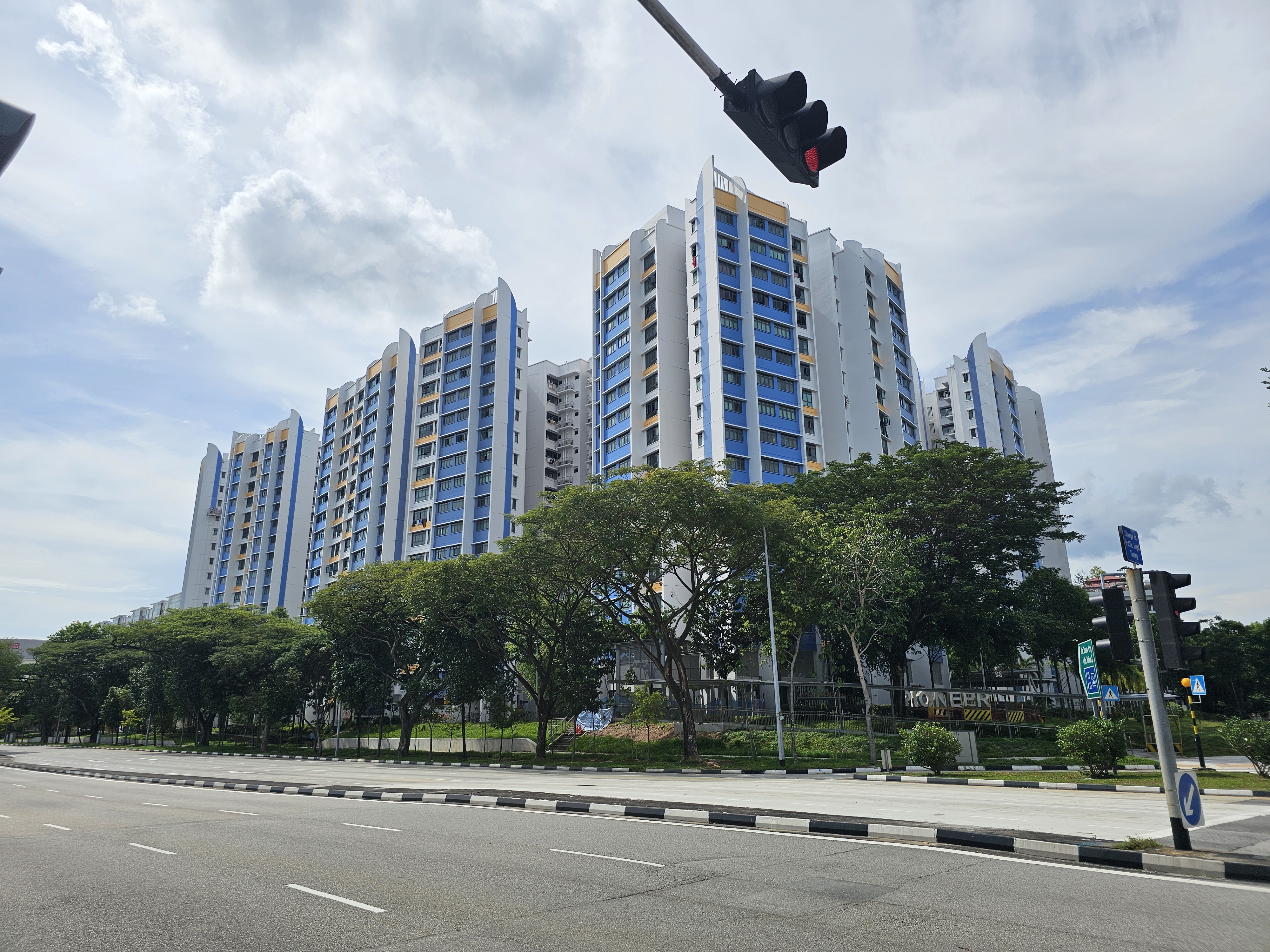
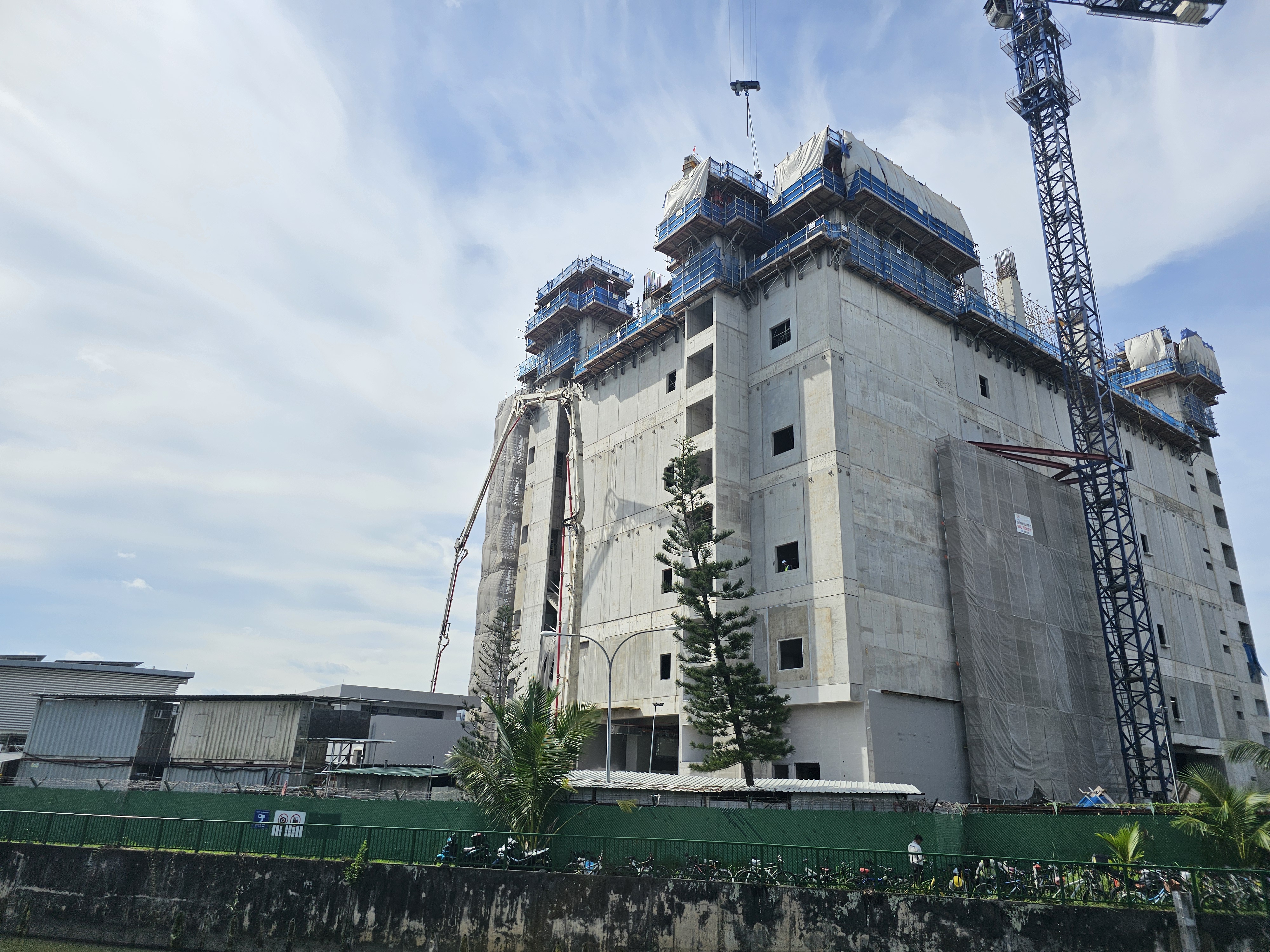
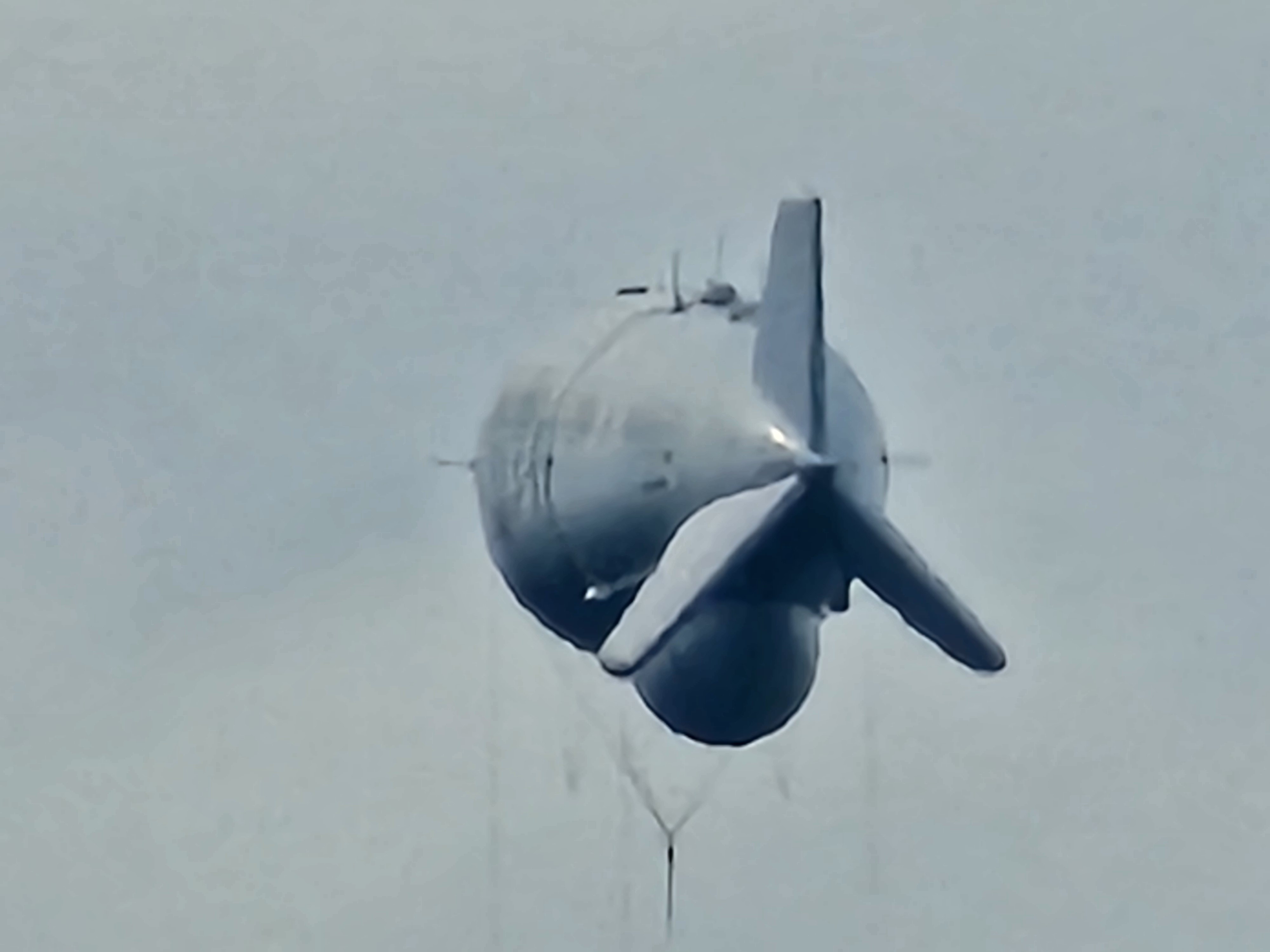
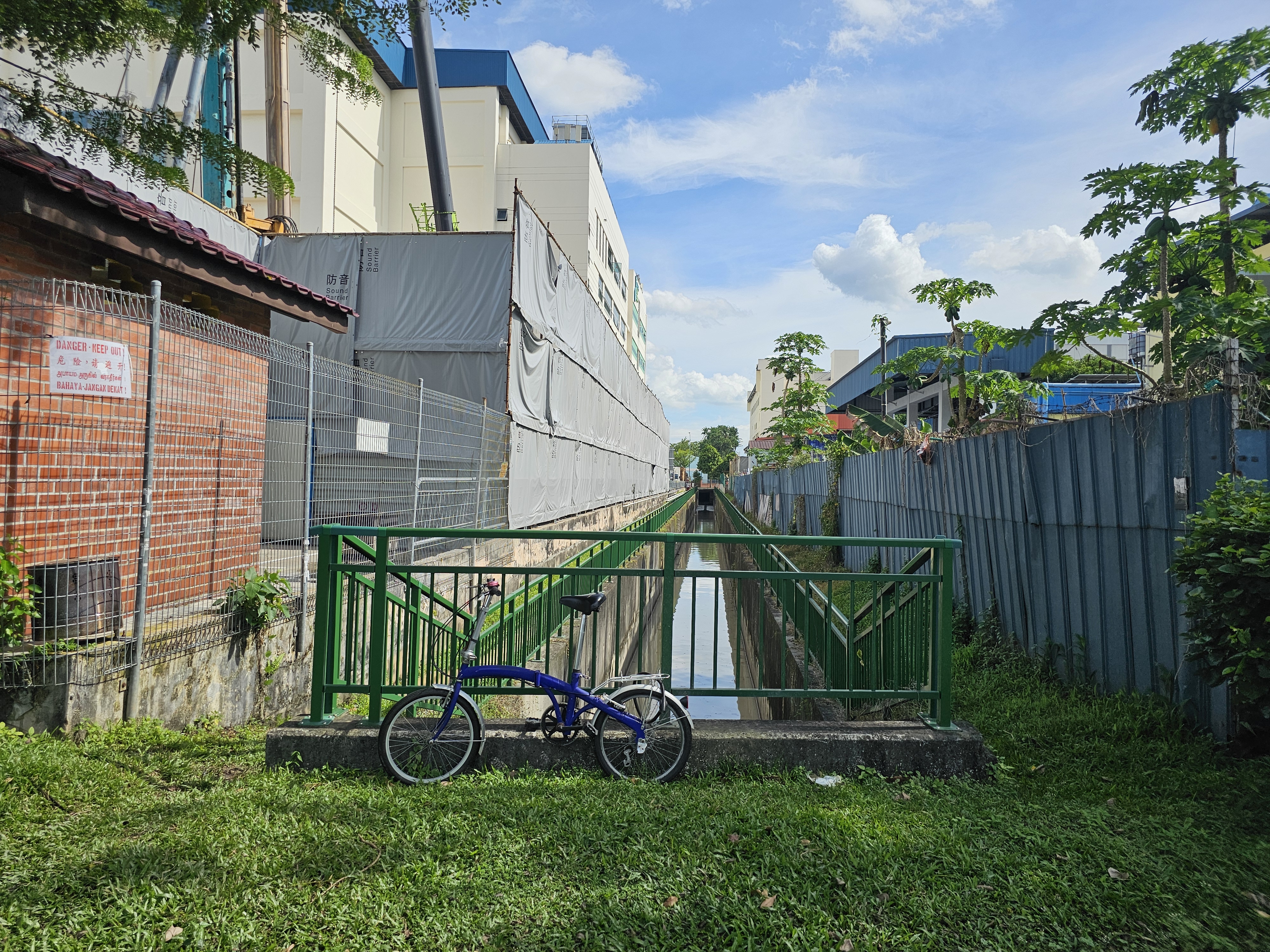
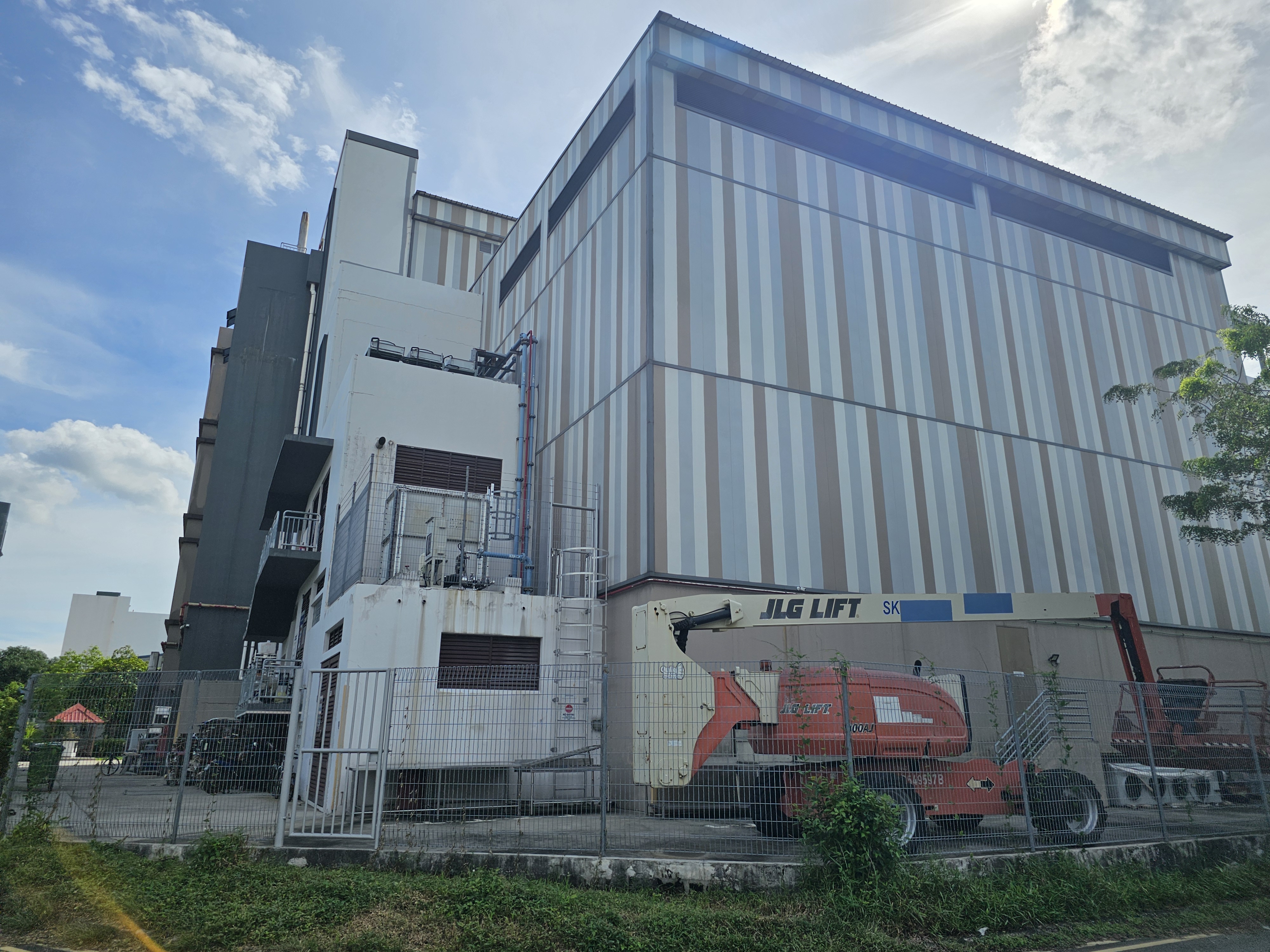
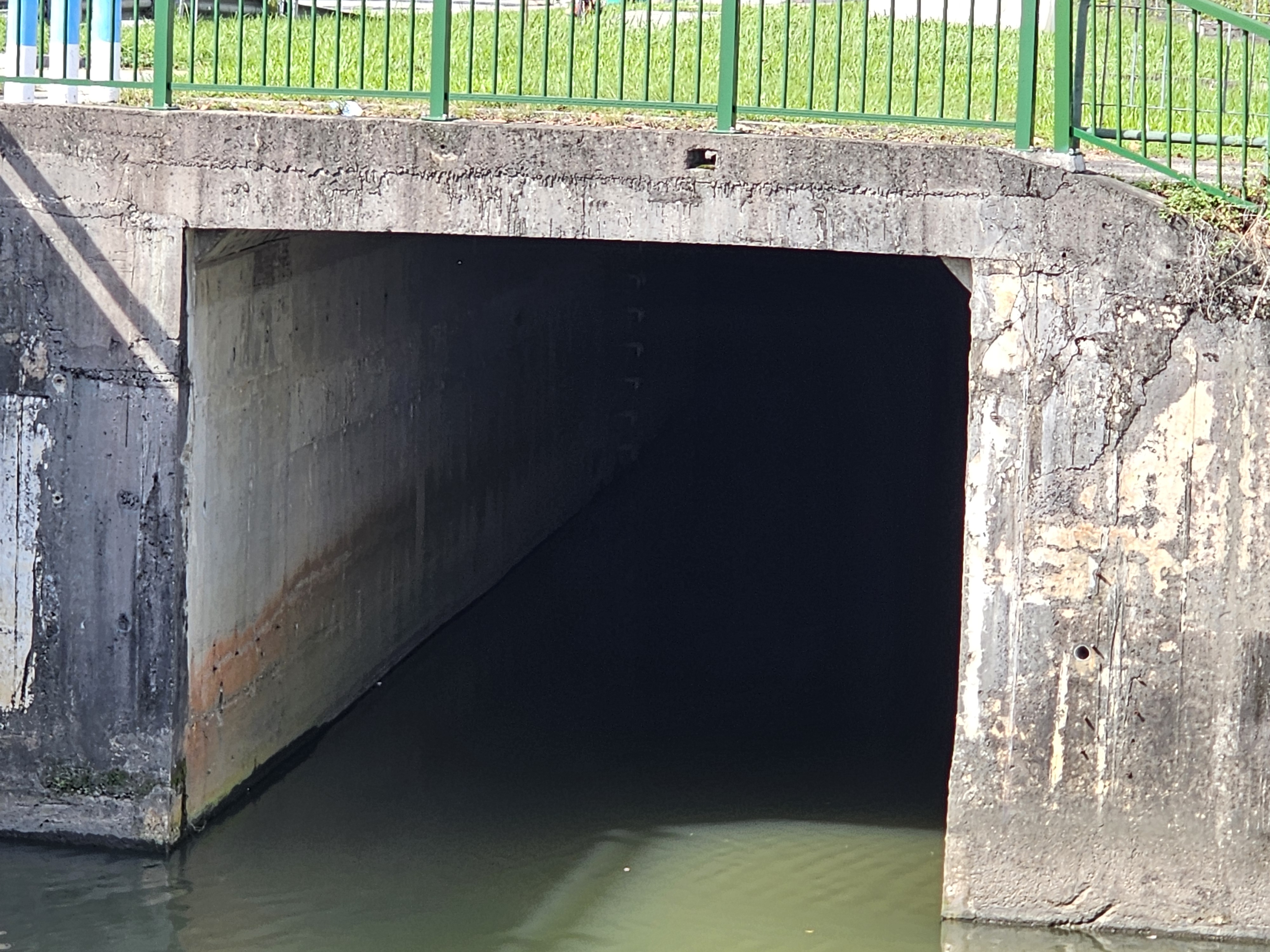
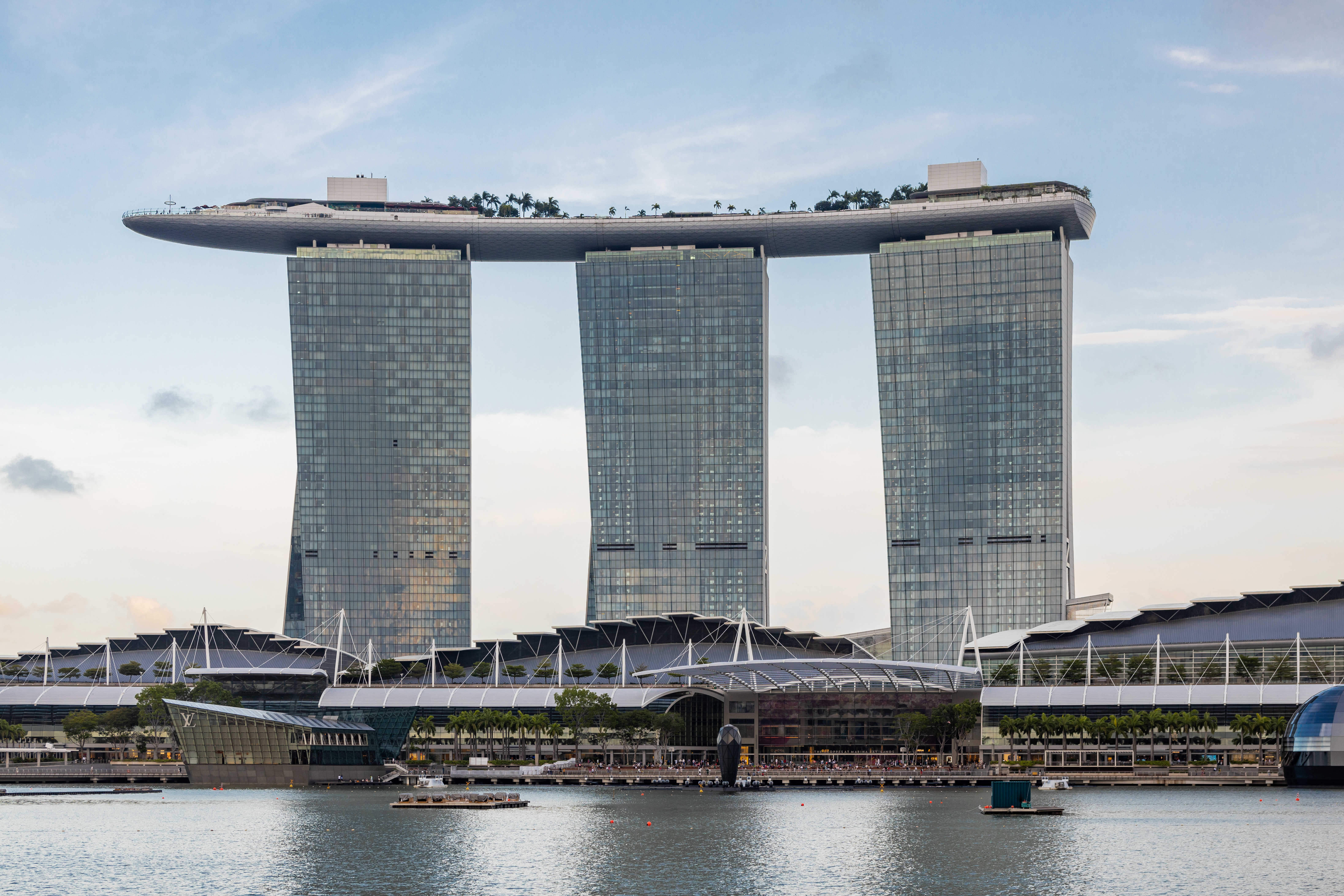
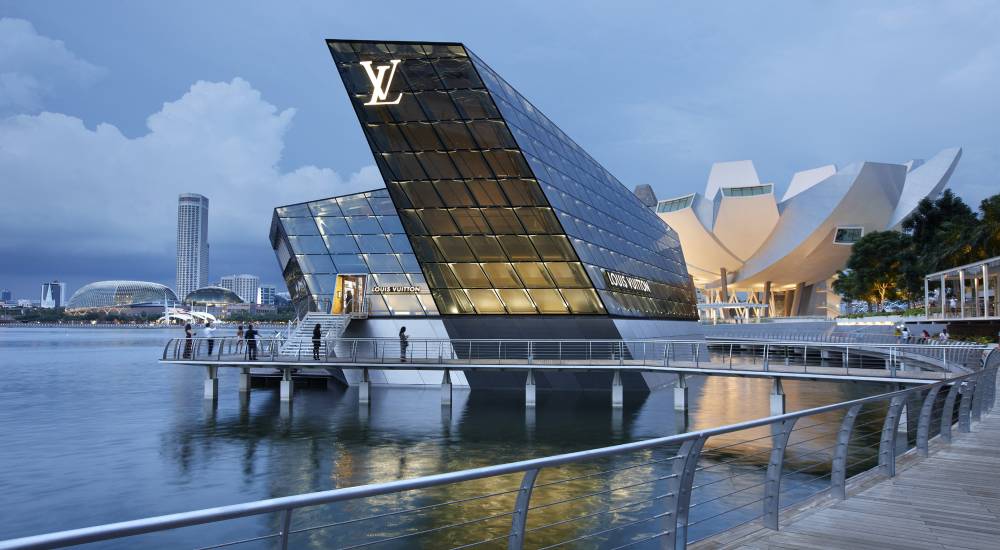
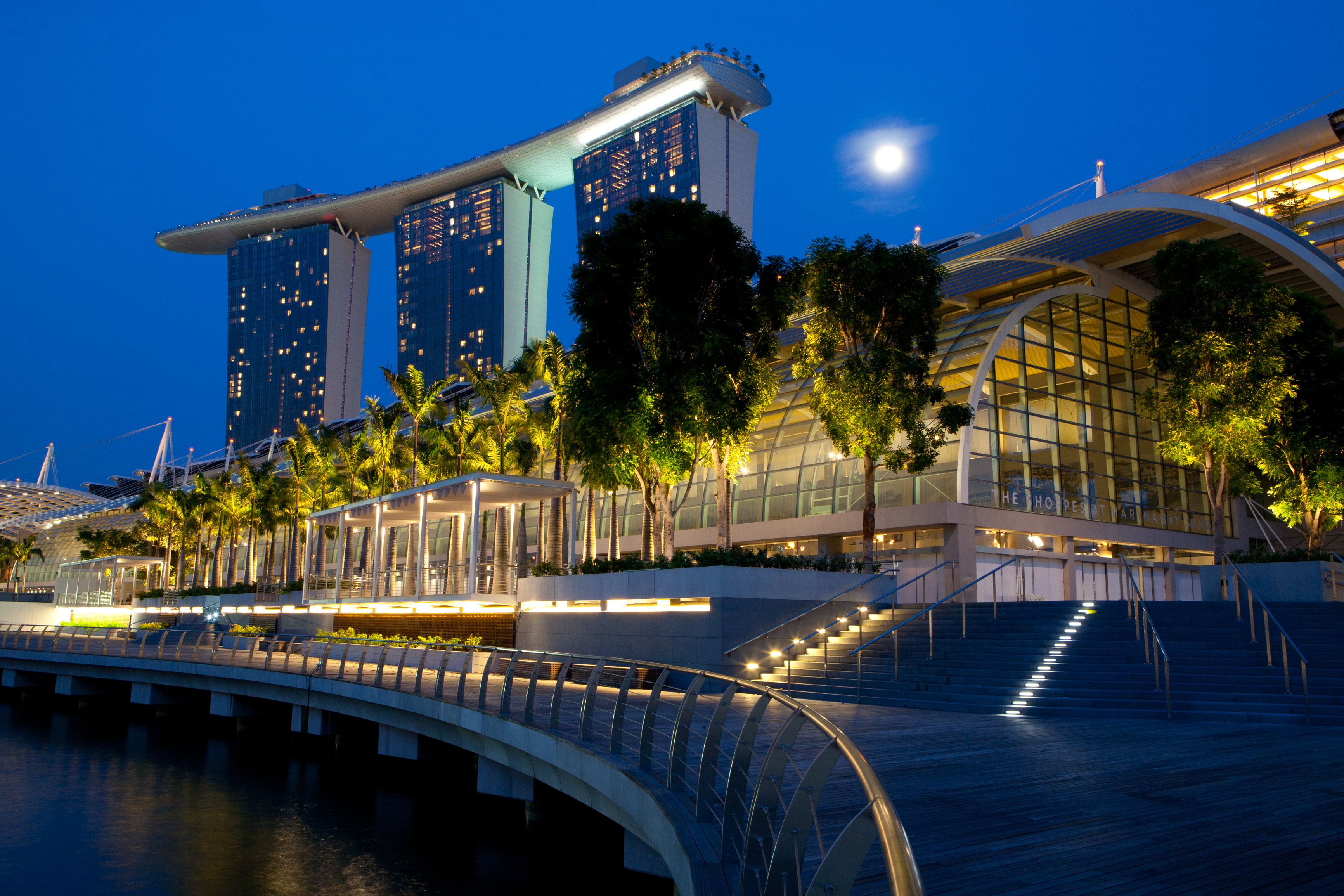
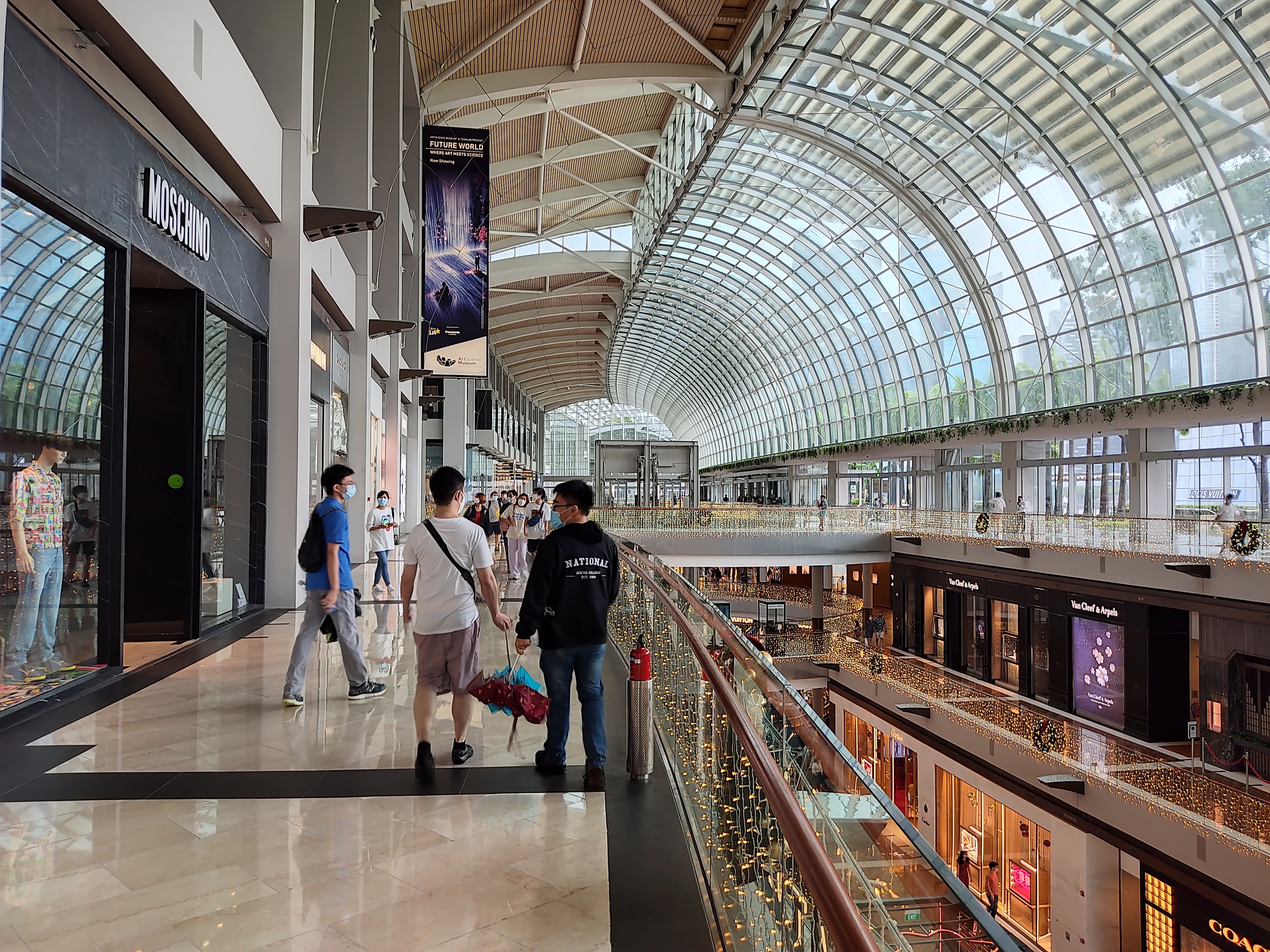
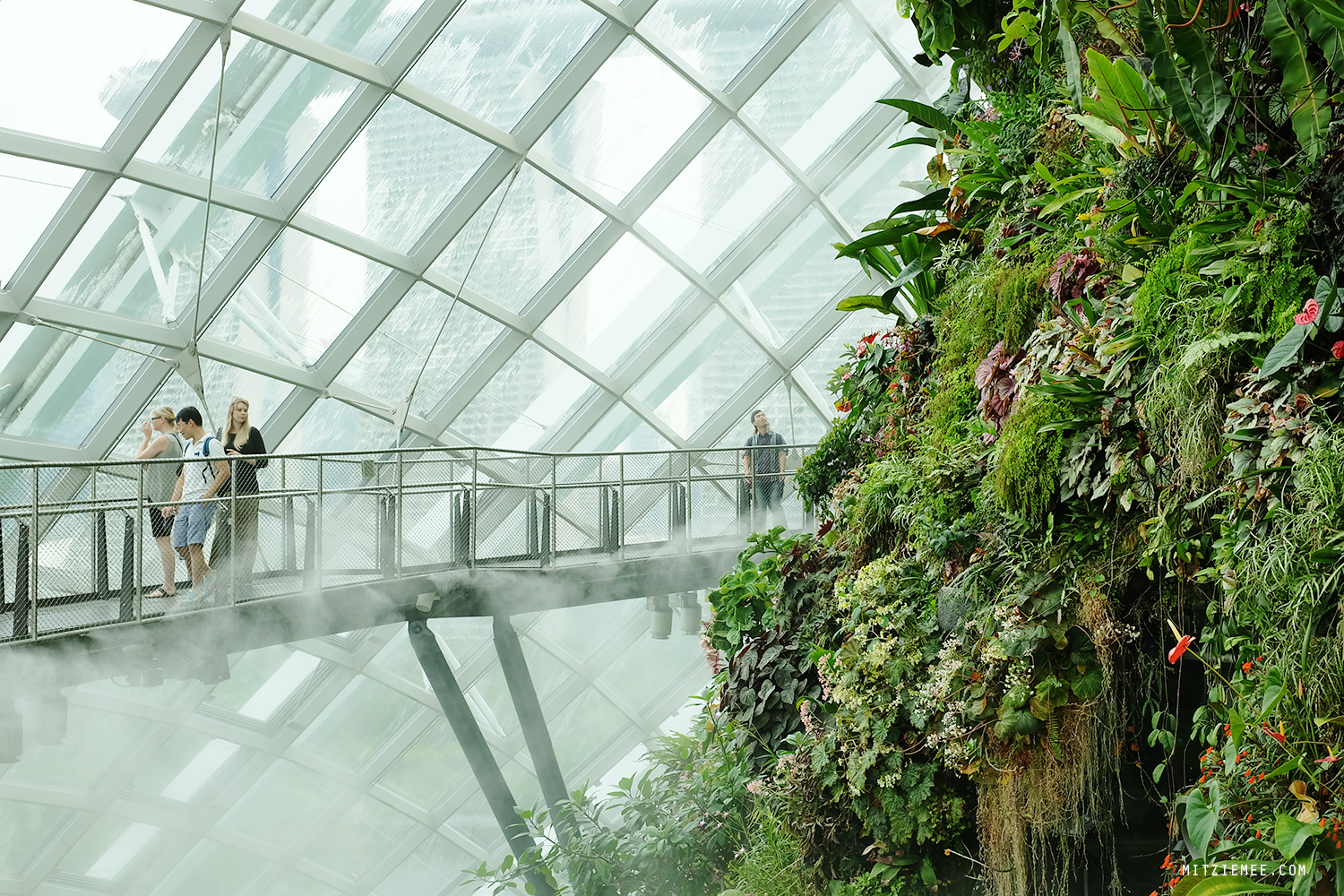
The following photographs were composited to create the Marina Bay visual artifact above:
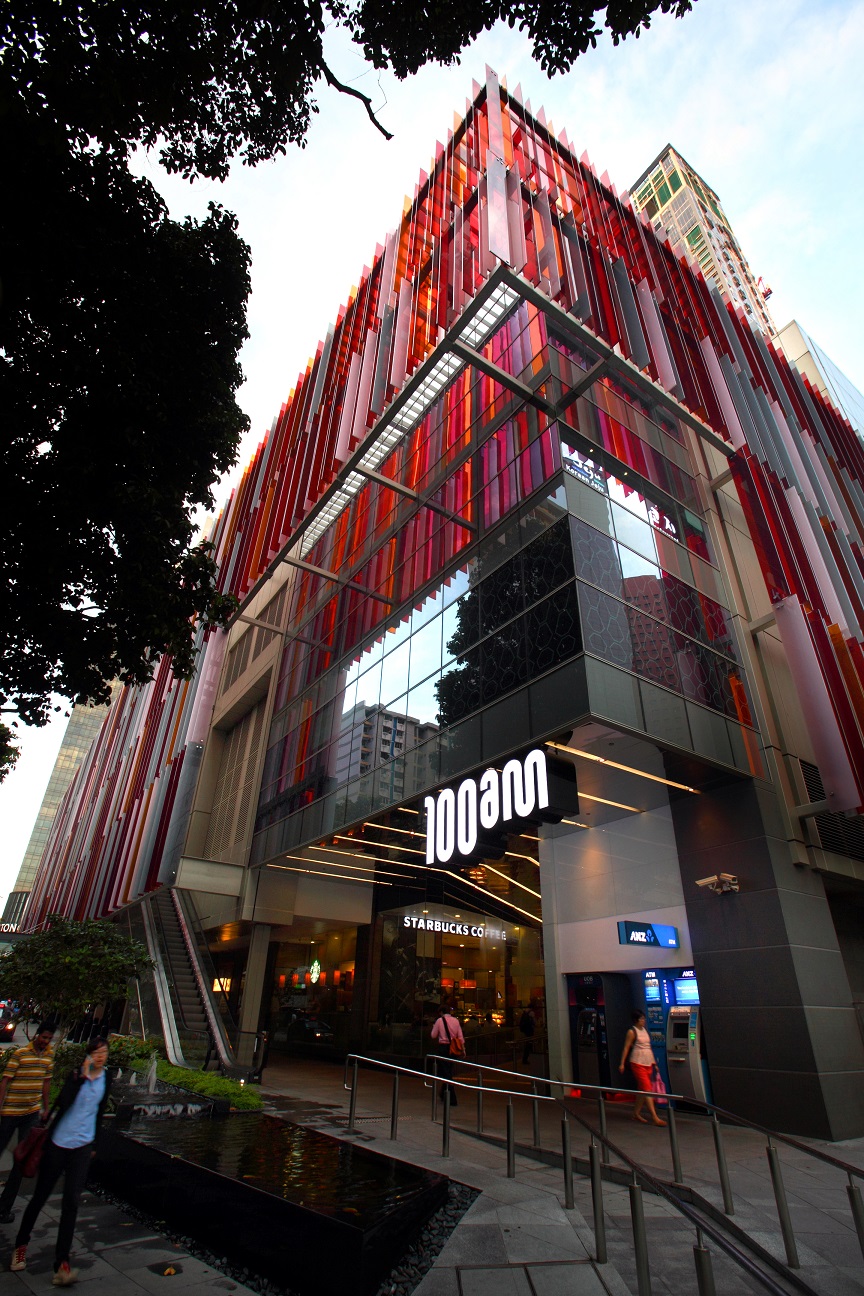
Orchard
Orchard Synthesized Noise Recording
Source Images
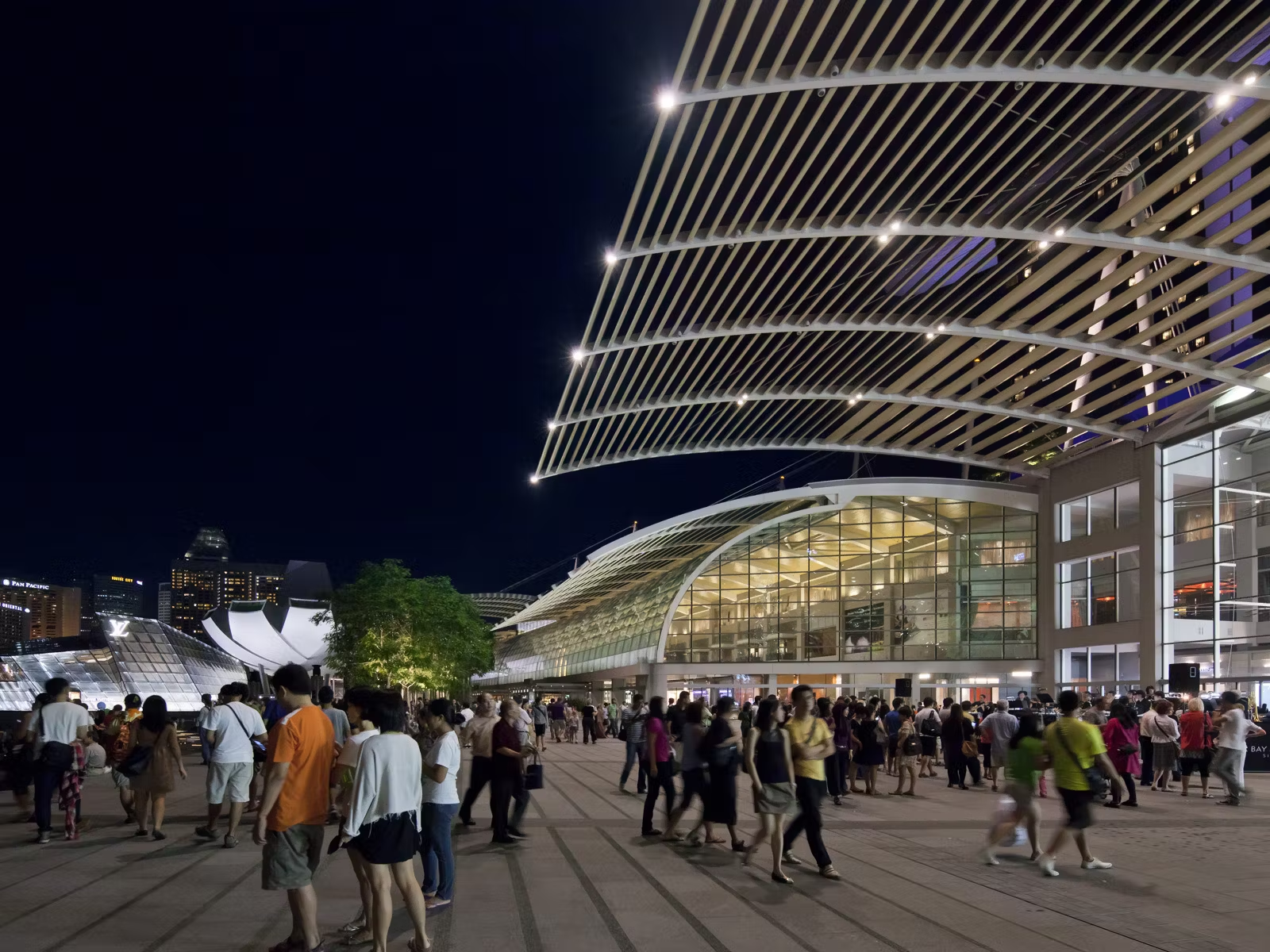
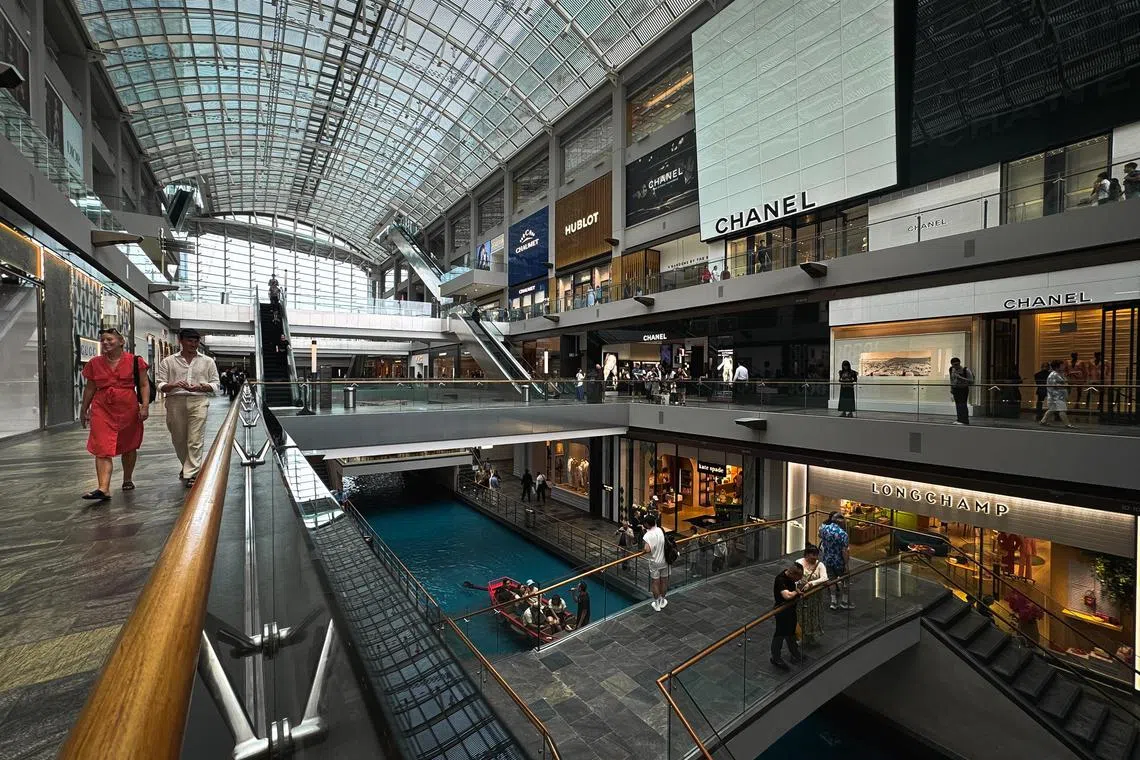
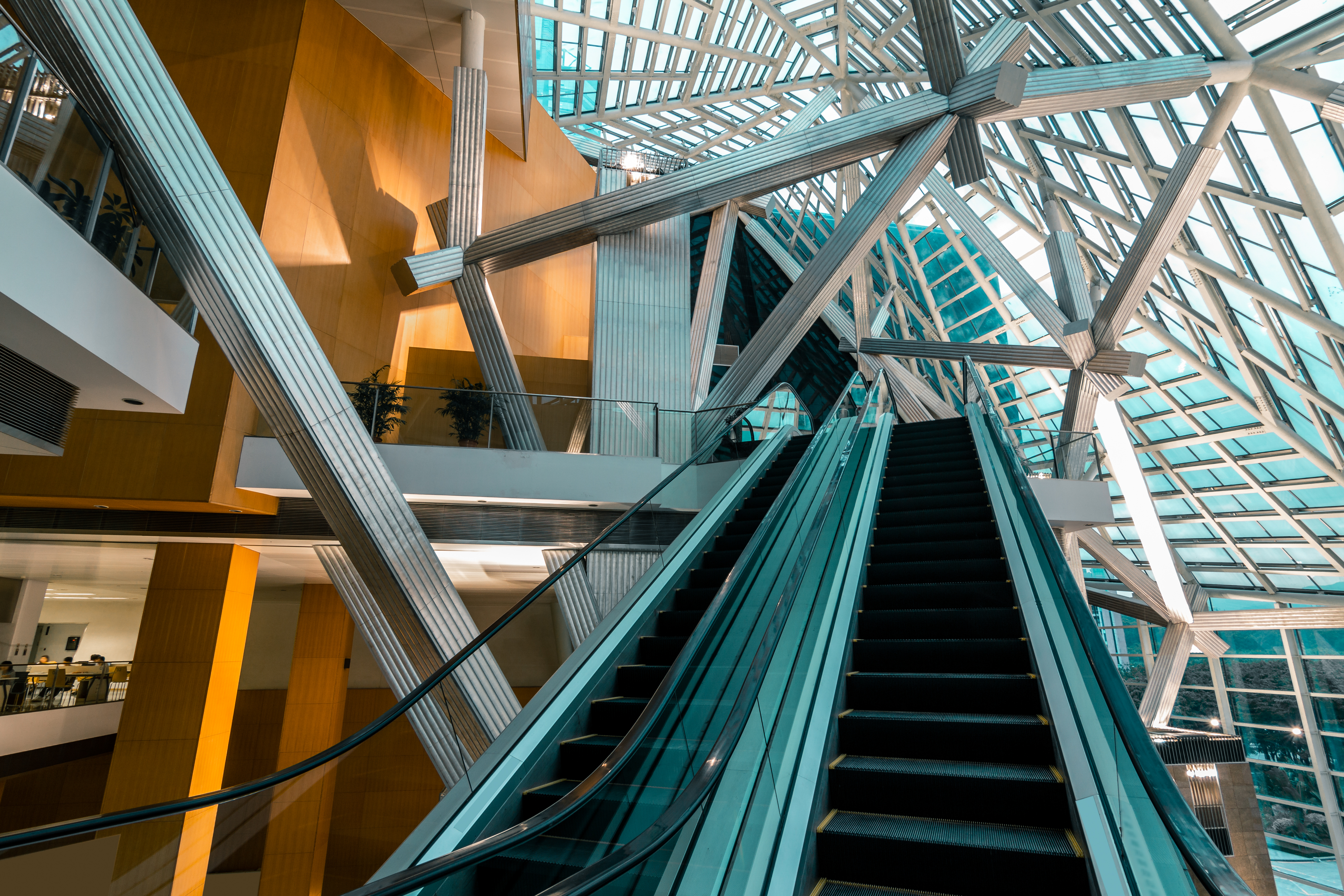
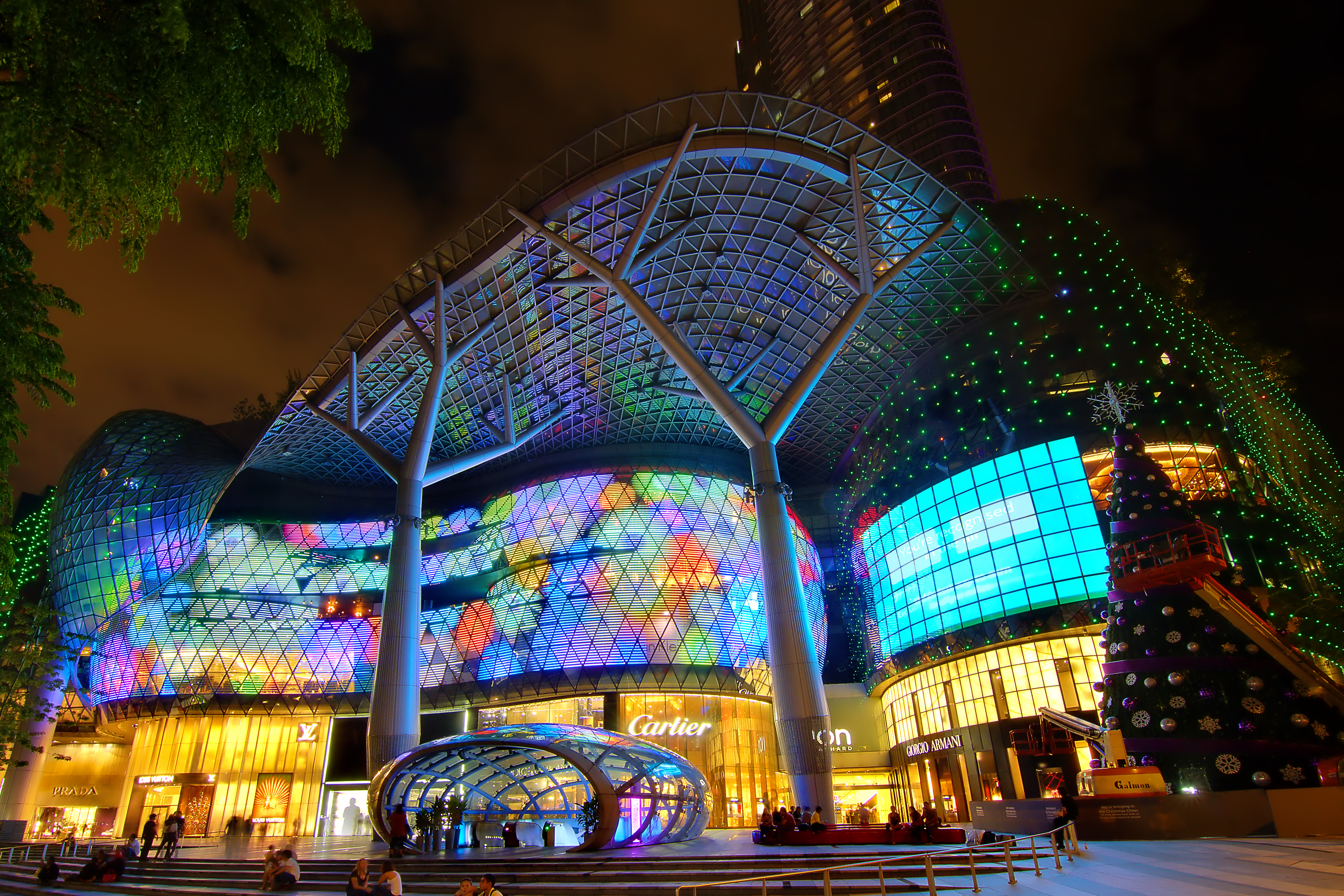
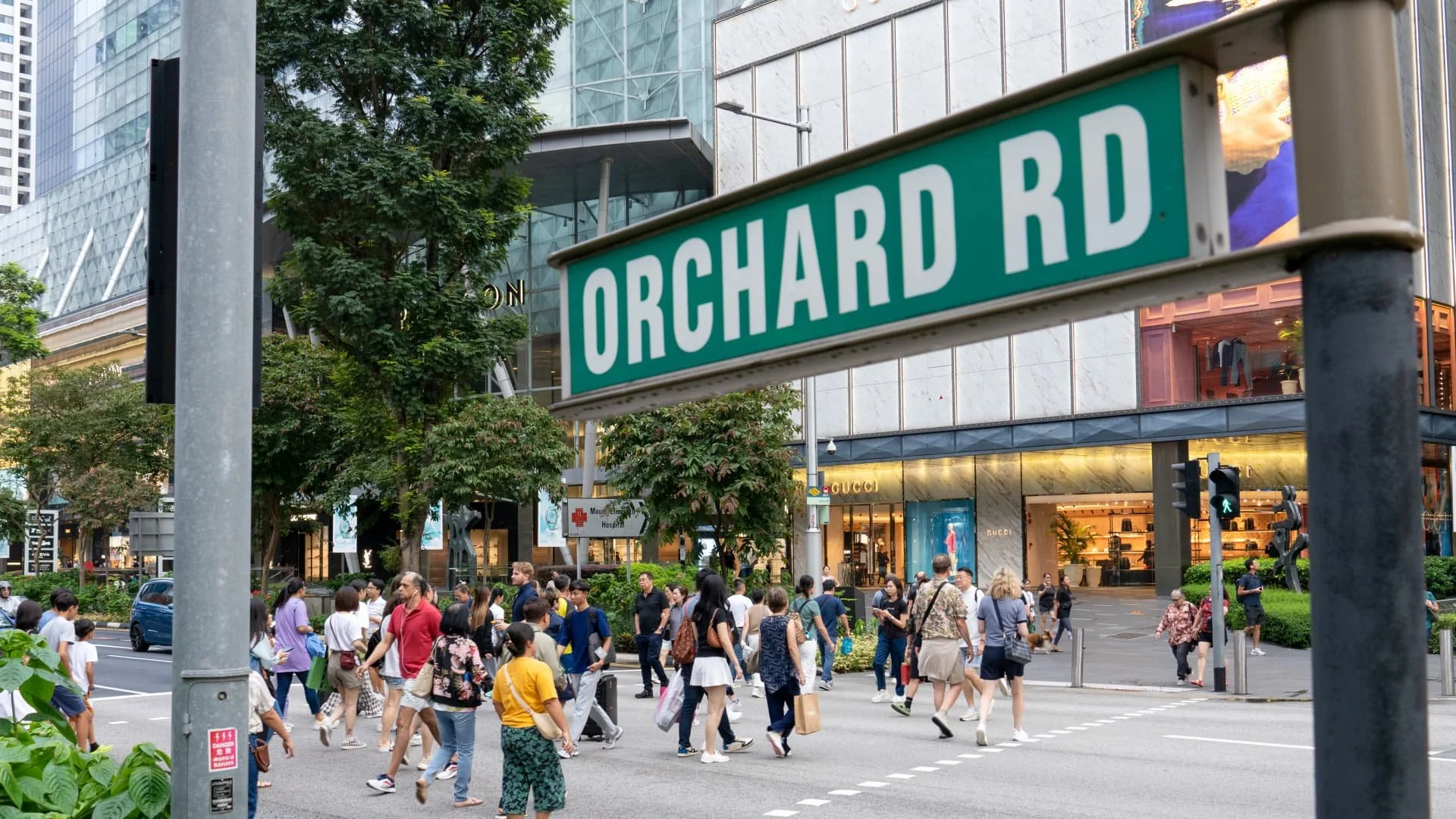
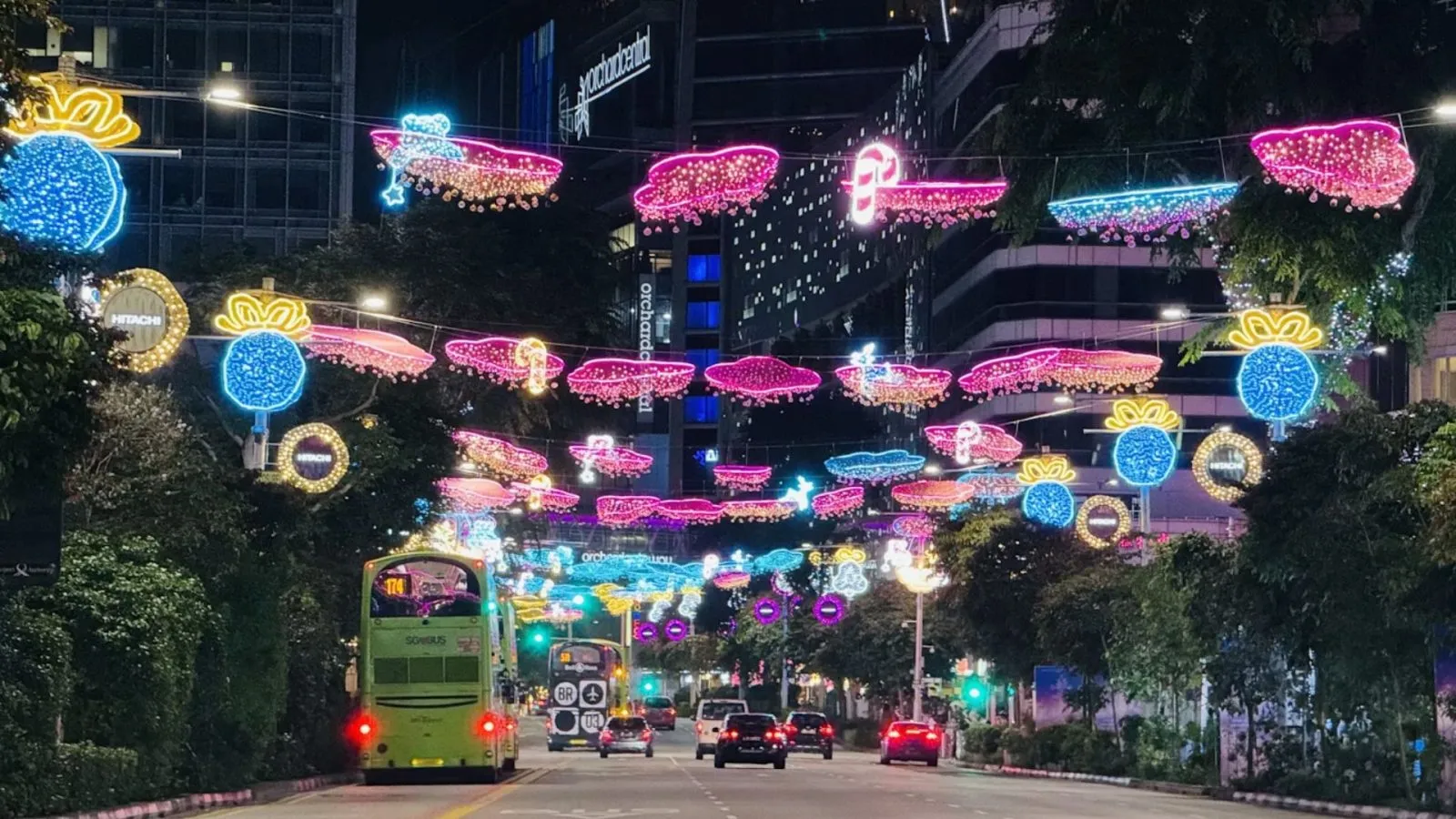
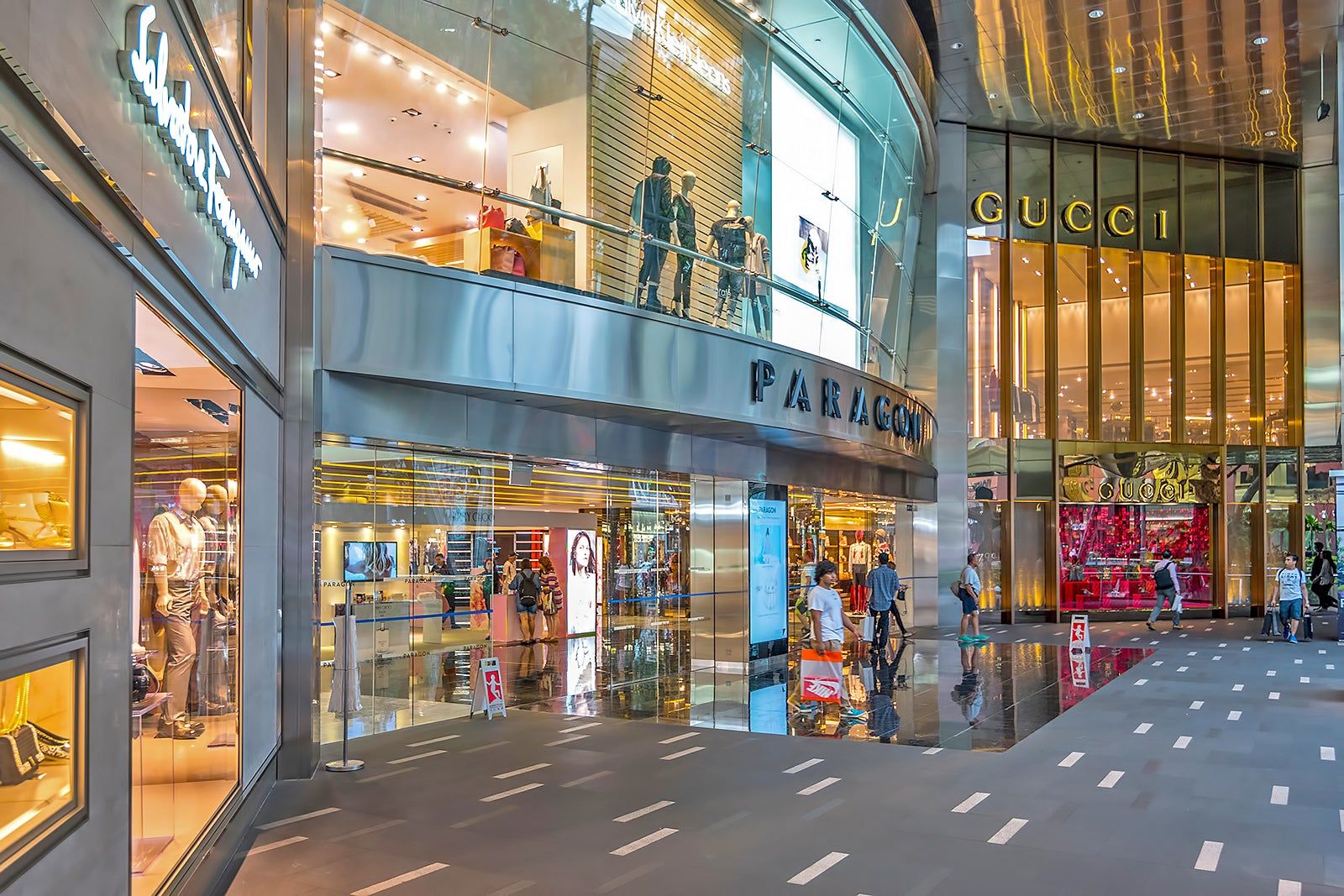
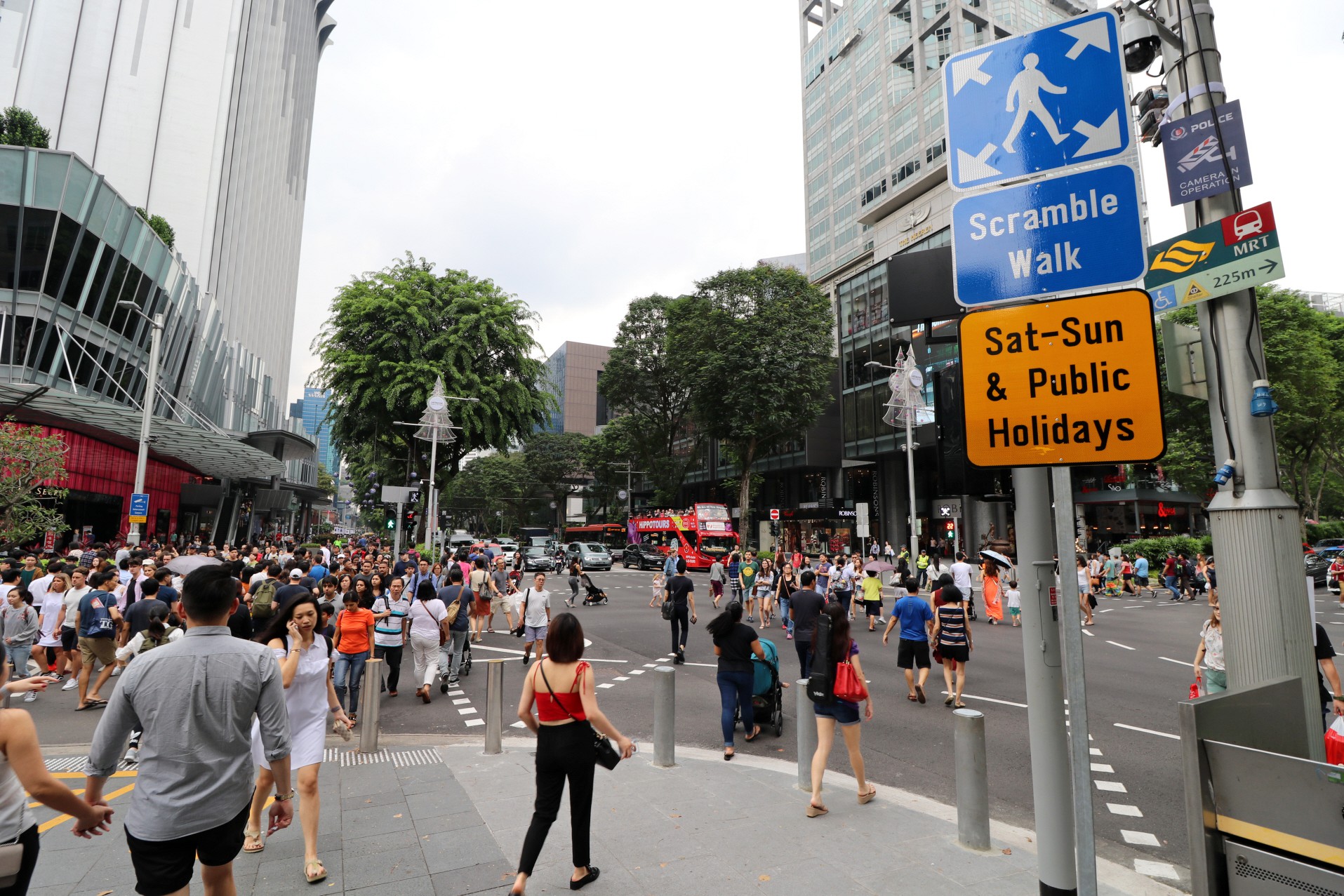
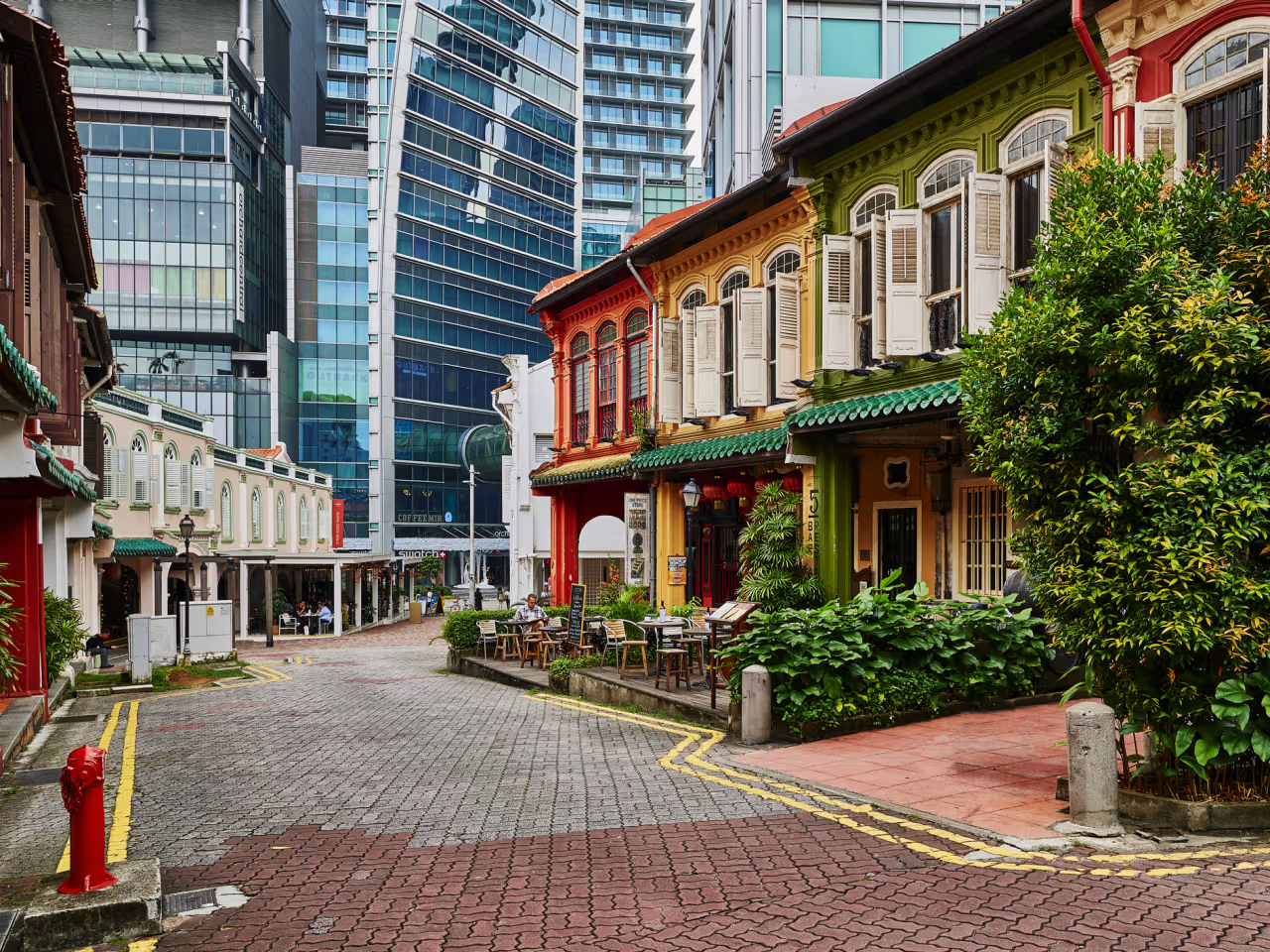
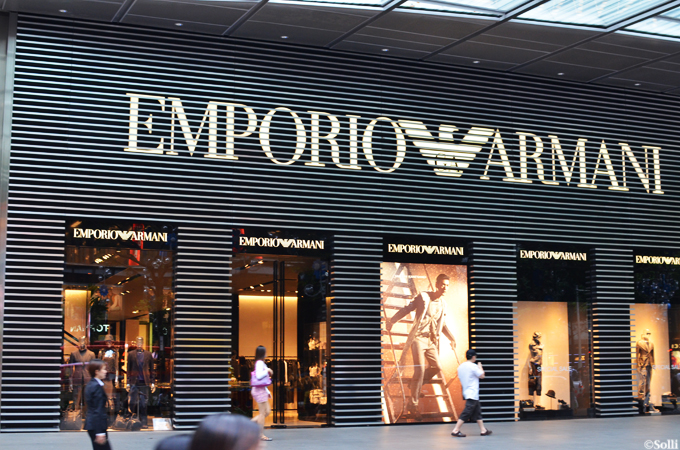
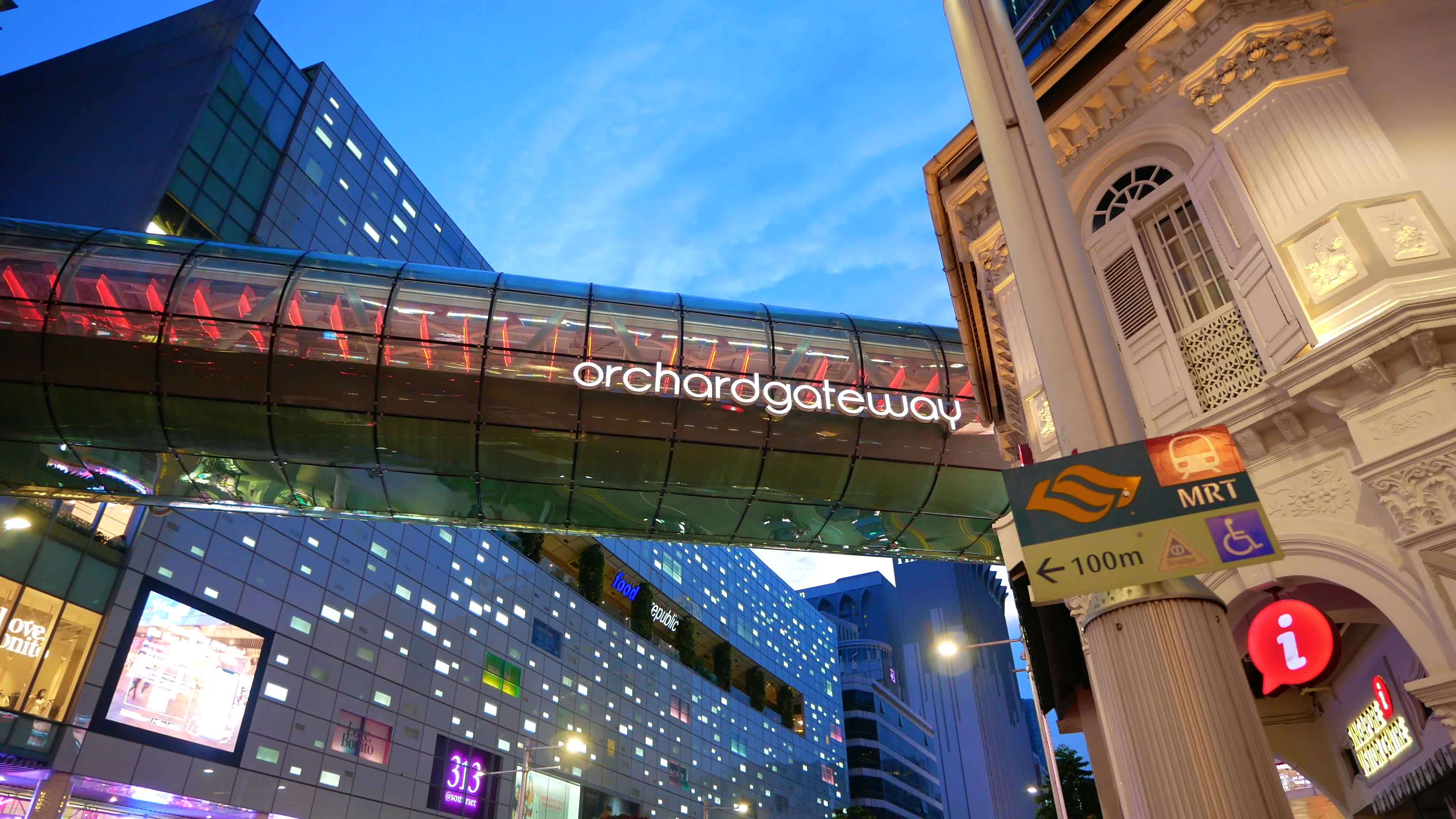
The following photographs were composited to create the Orchard visual artifact above:
Raffles Place
Raffles Place Synthesized Noise Recording
Source Images
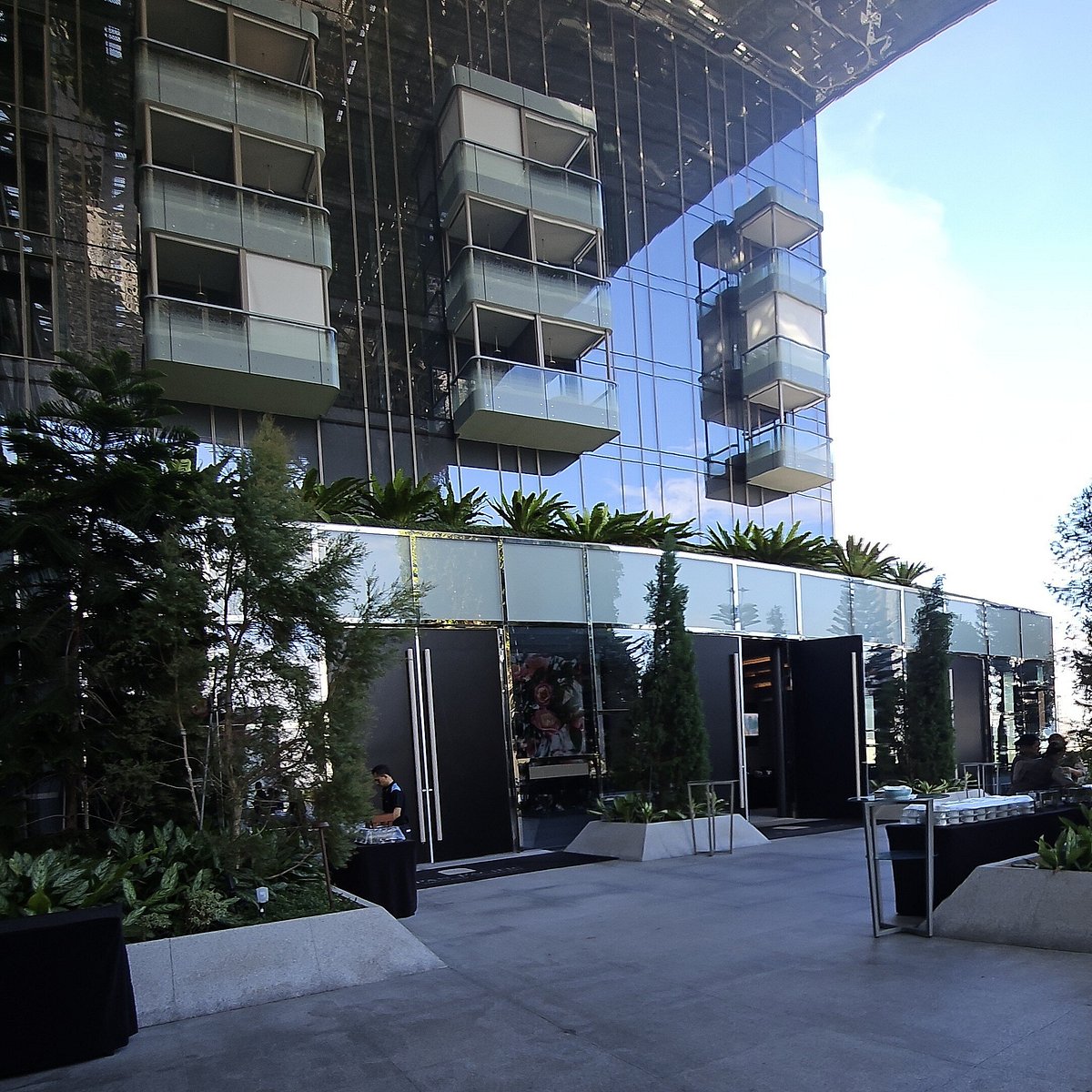
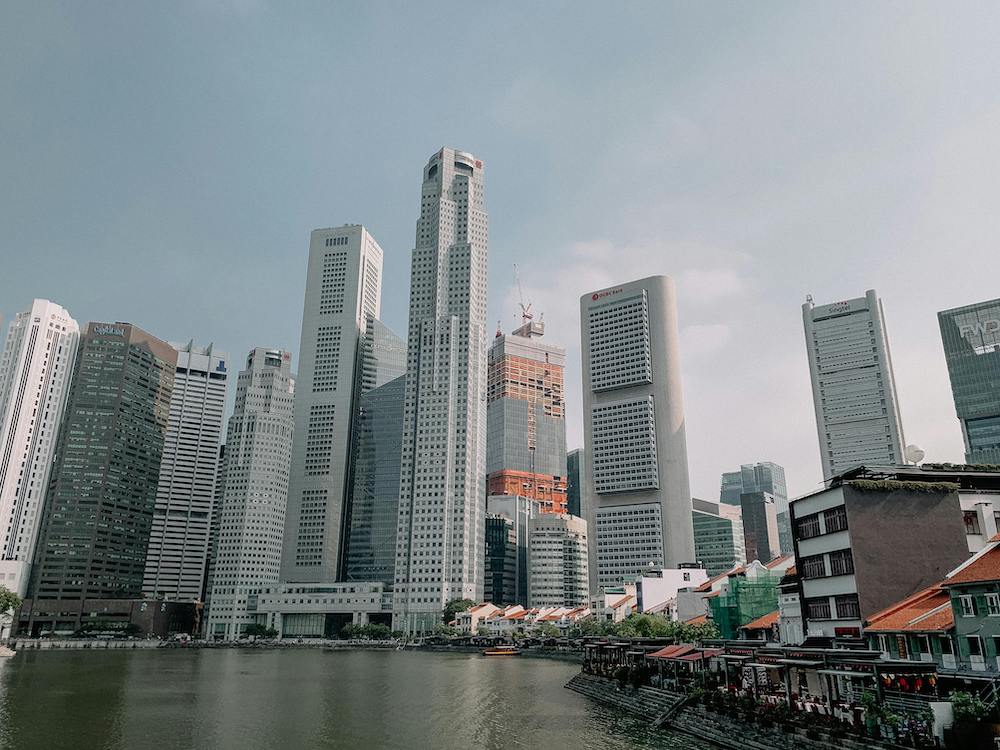
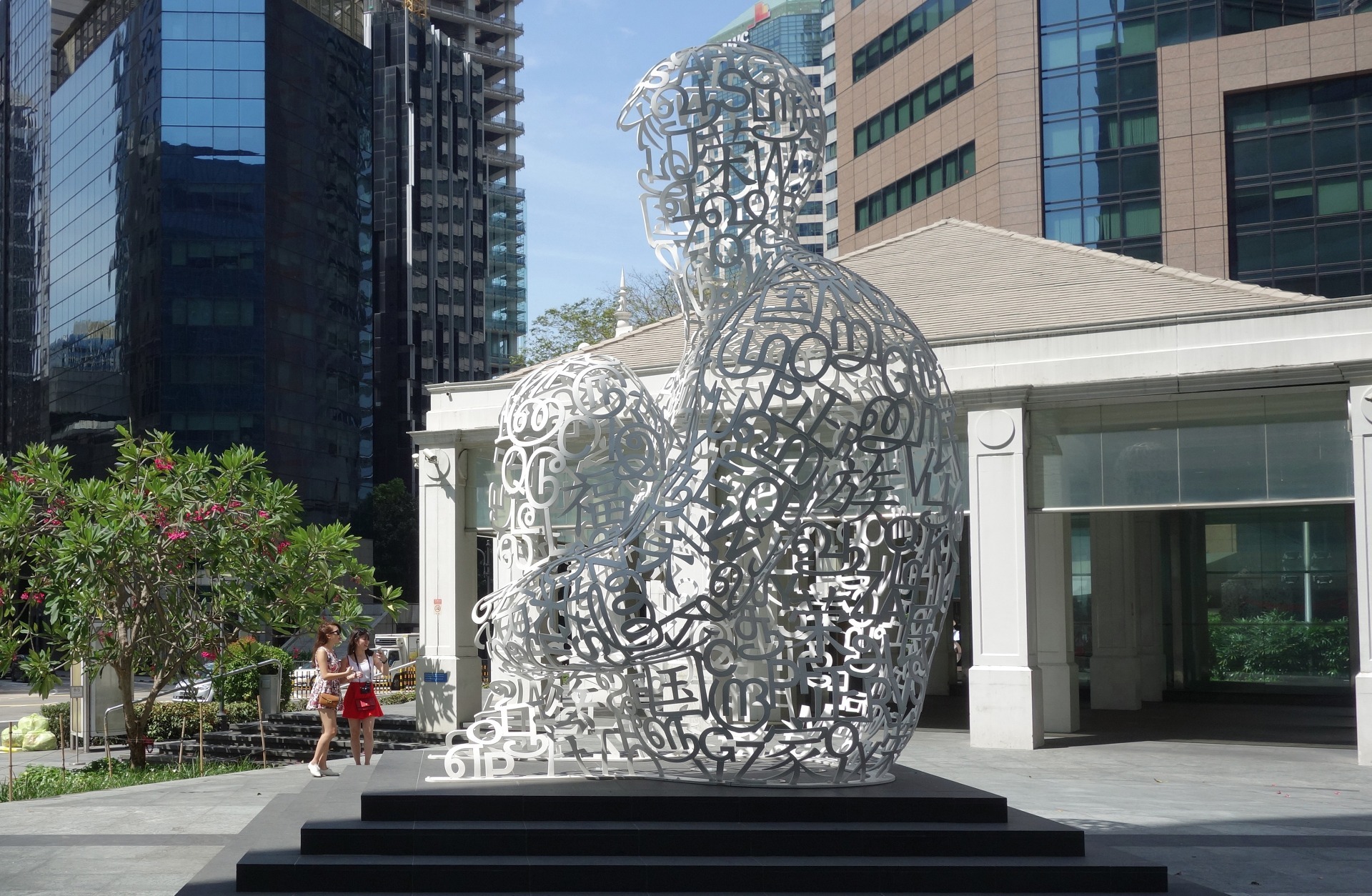
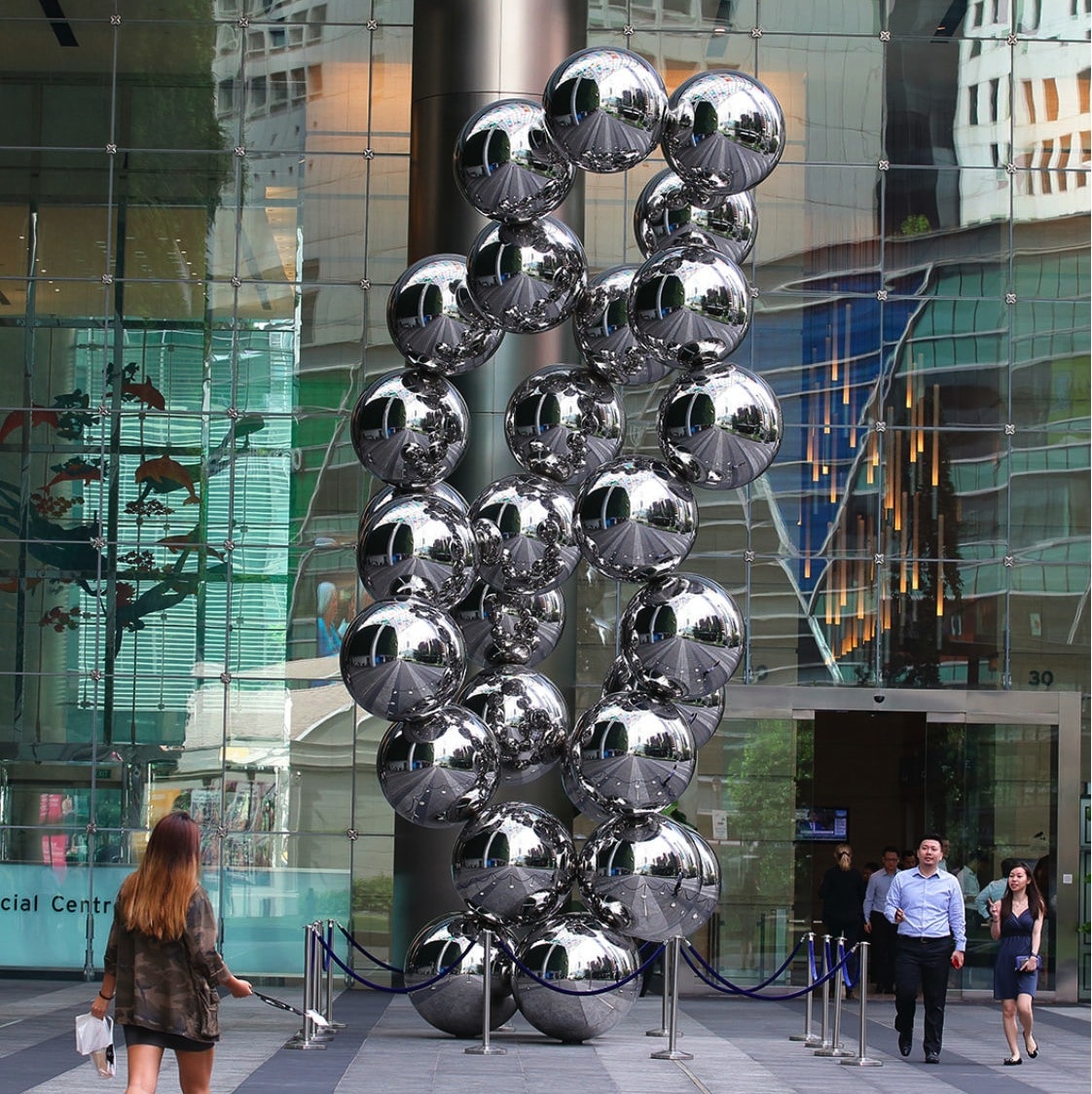
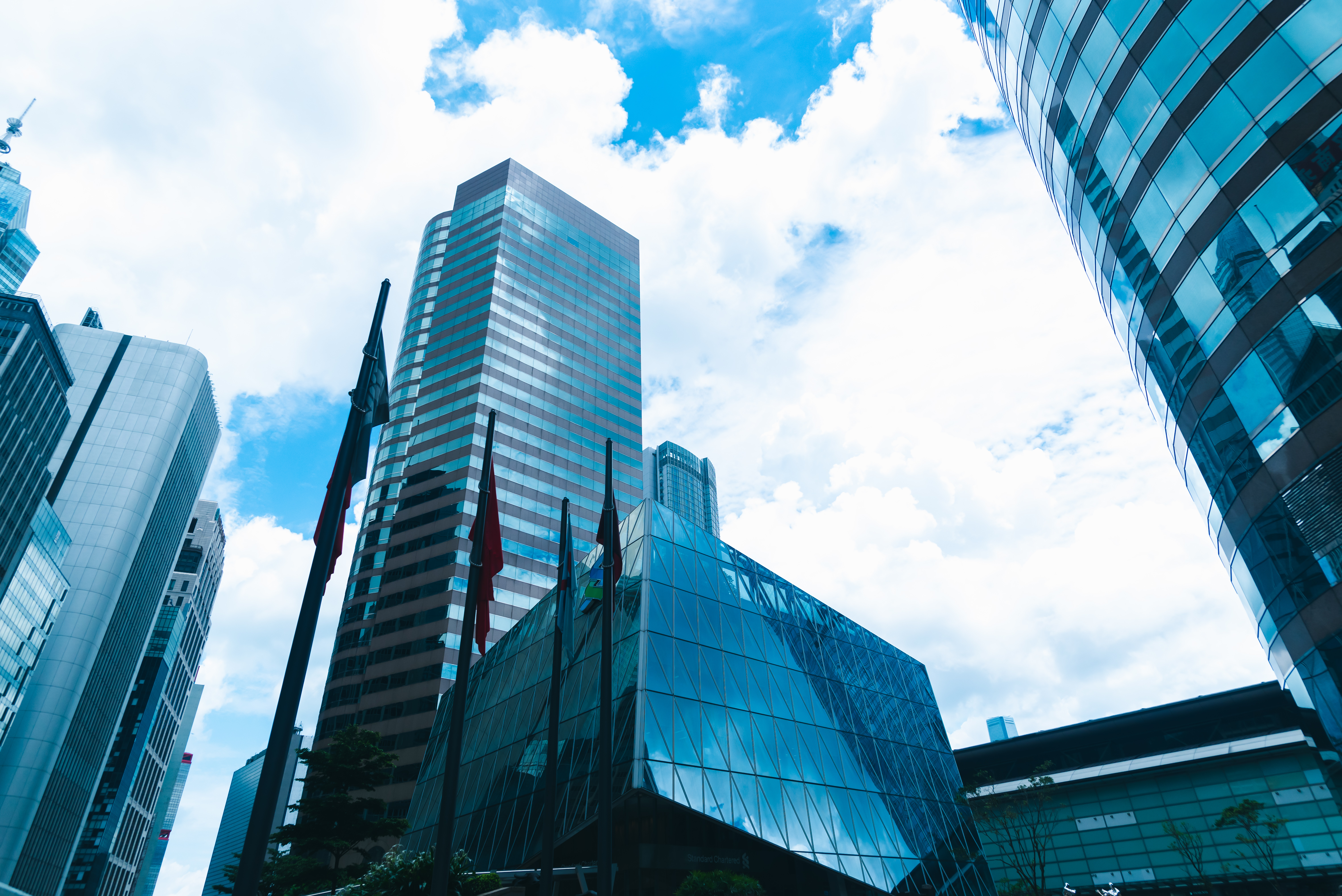
The following photographs were composited to create the Raffles Place visual artifact above:
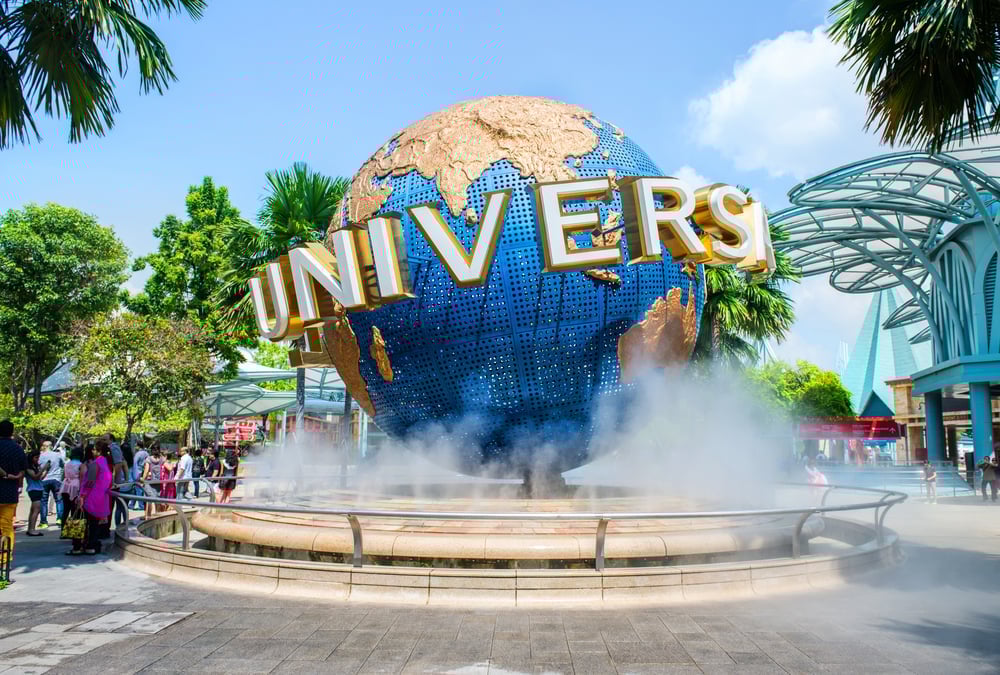
Sentosa
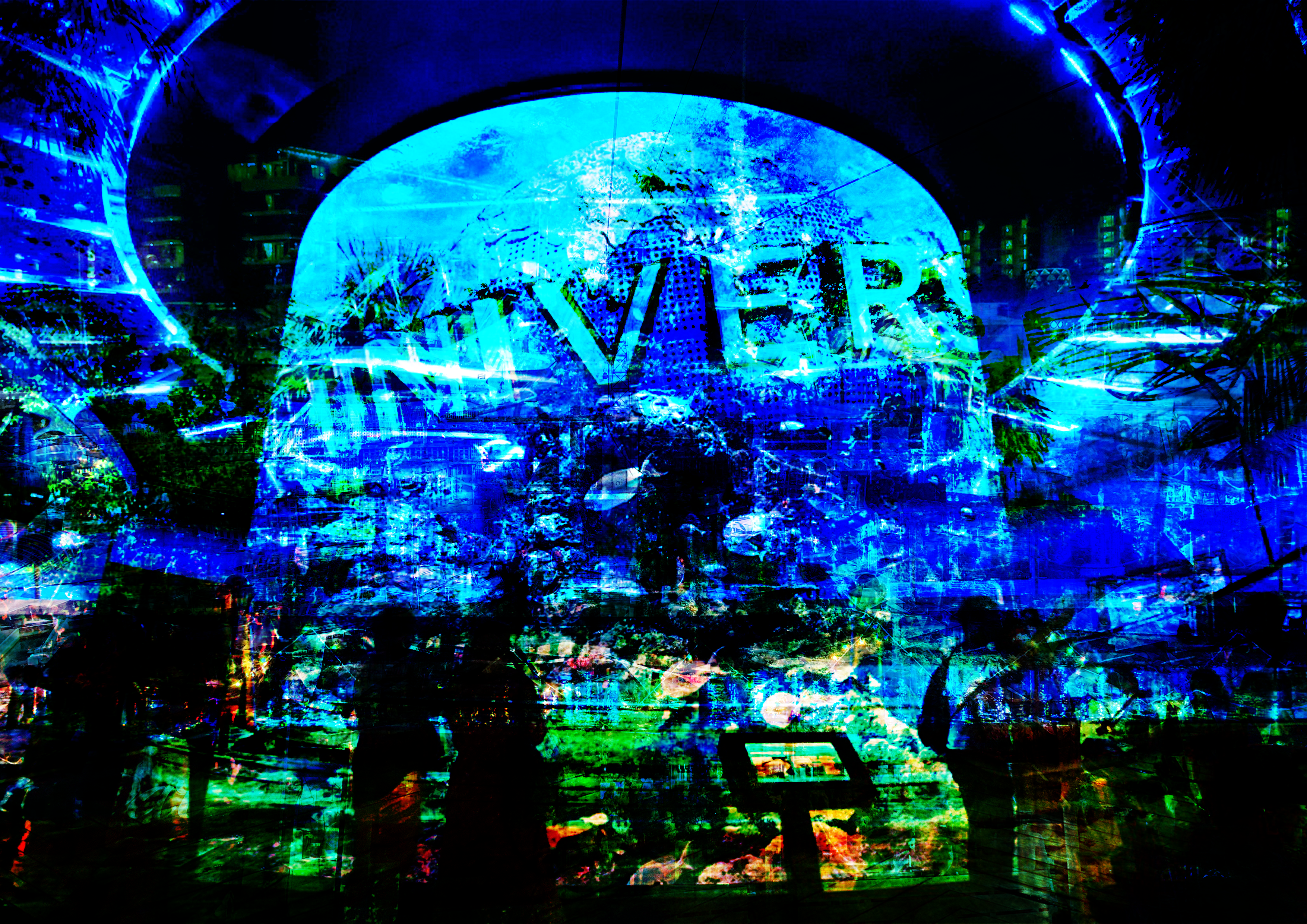
Sentosa Synthesized Noise Recording
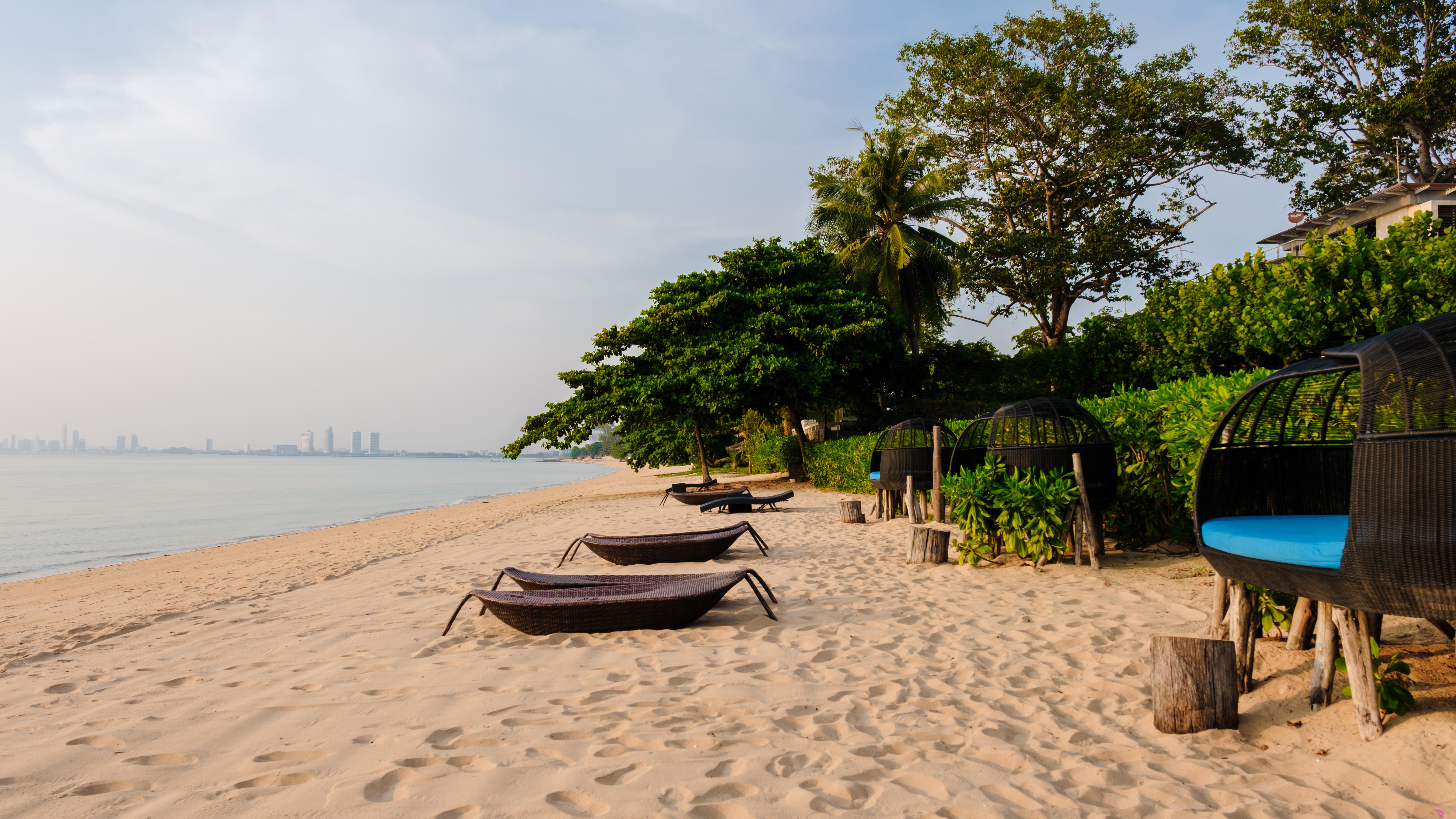
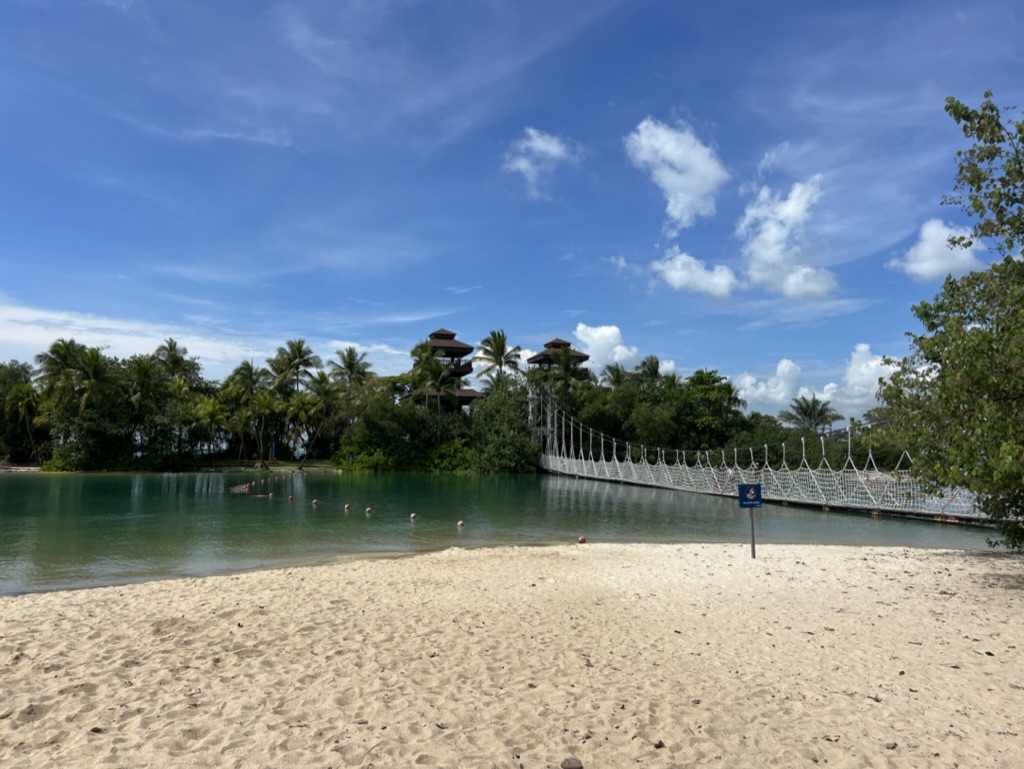
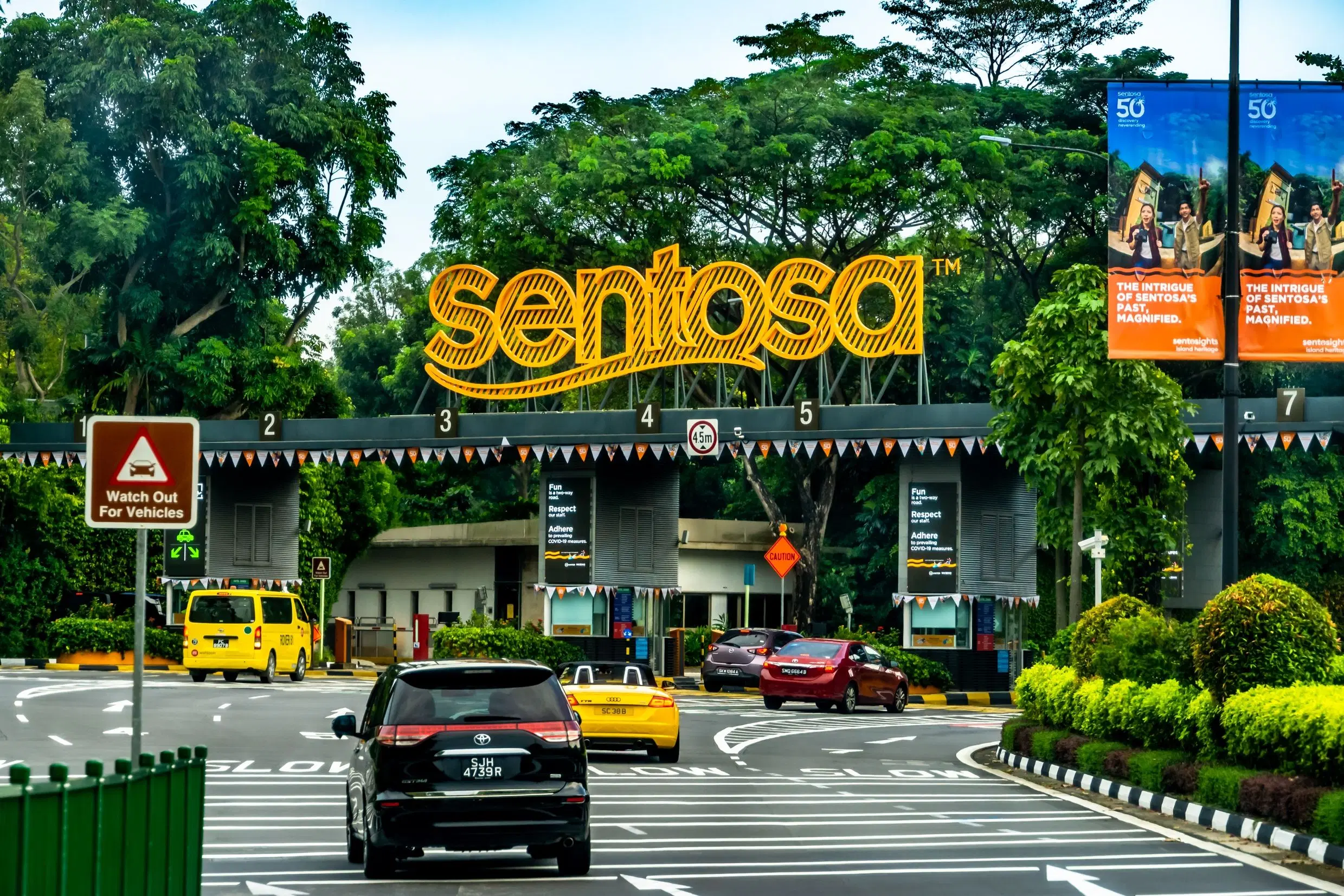
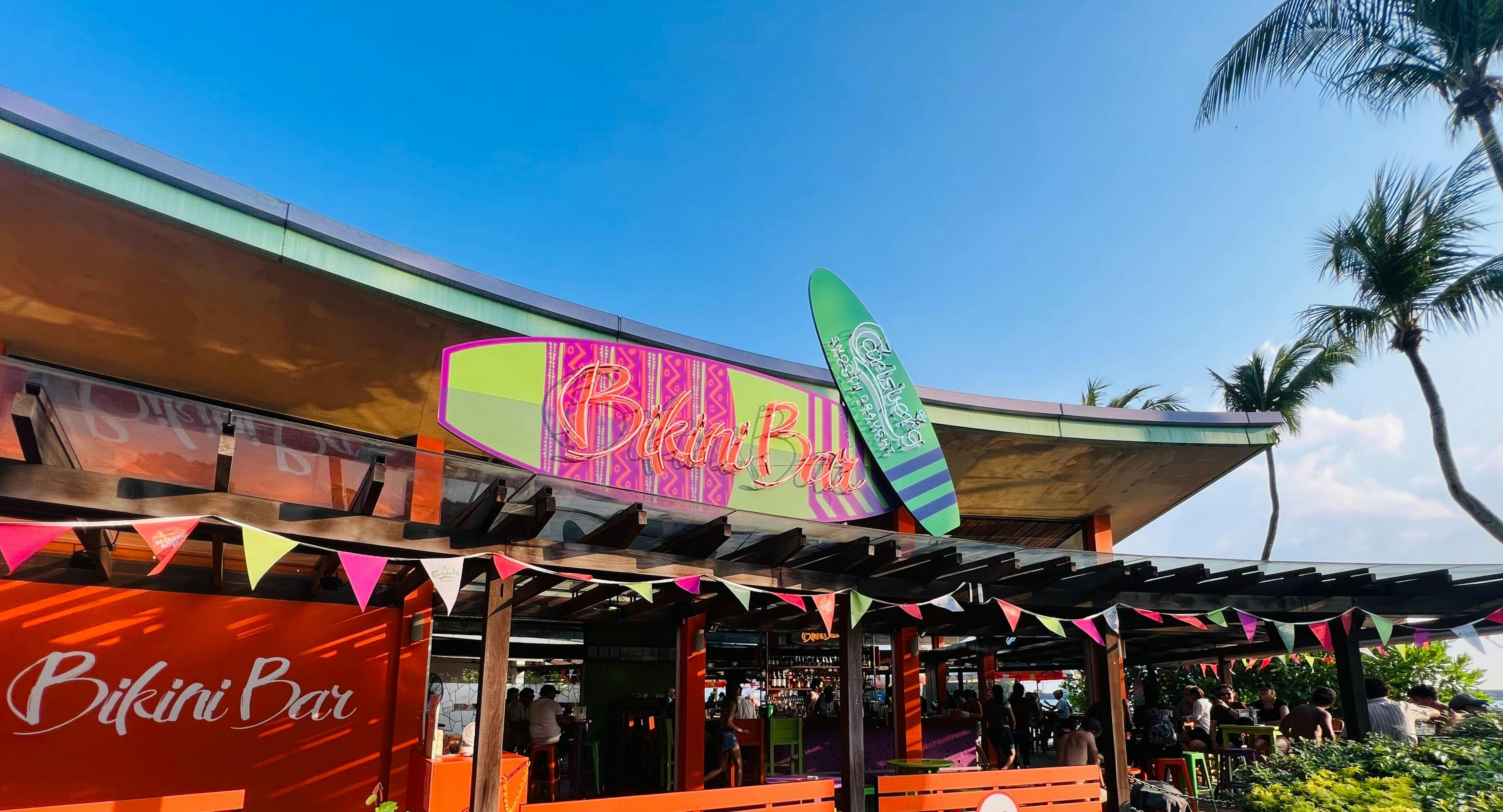
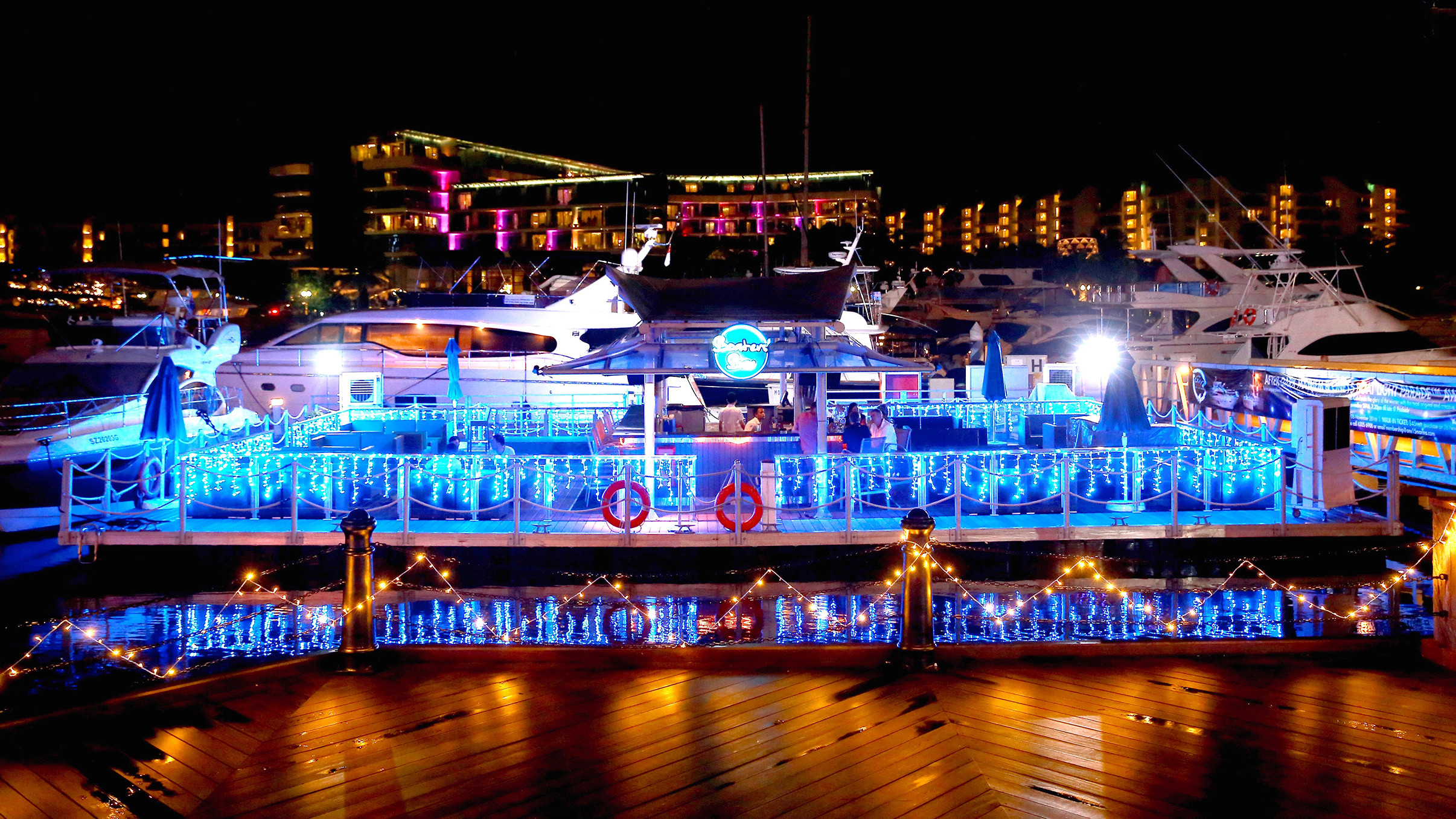
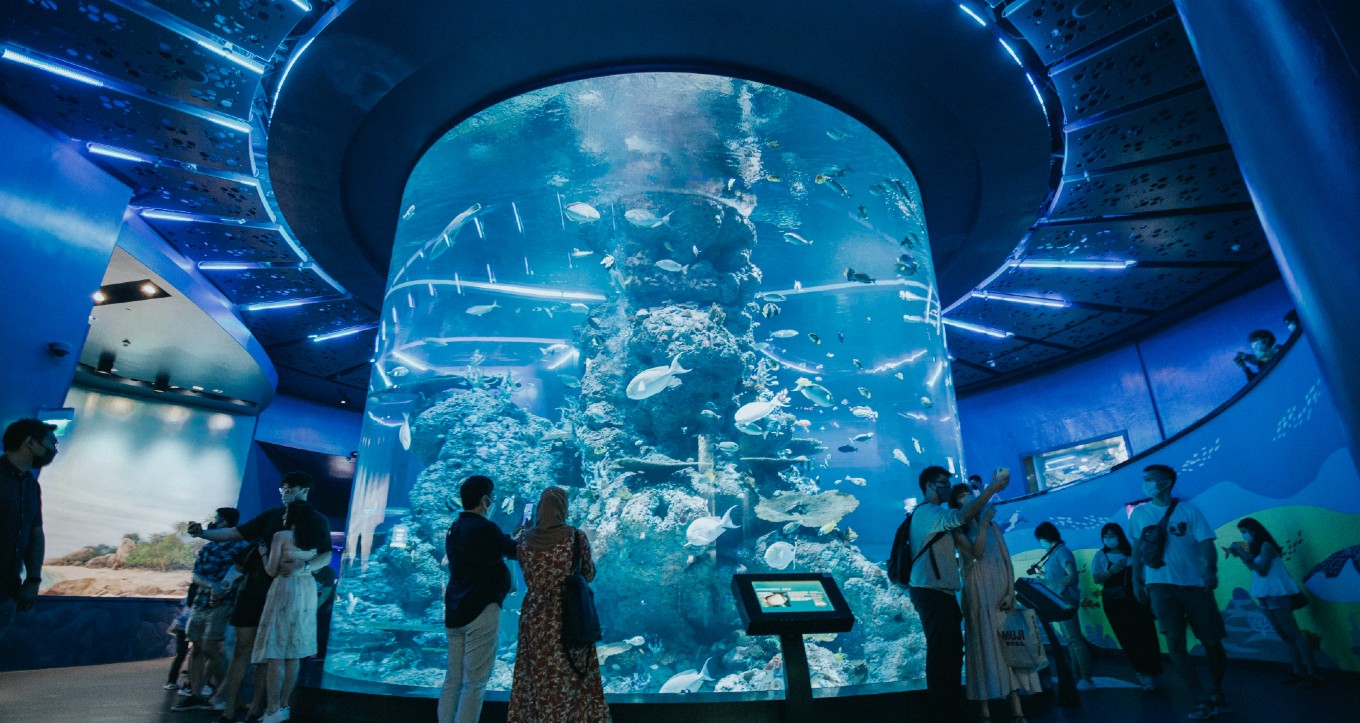
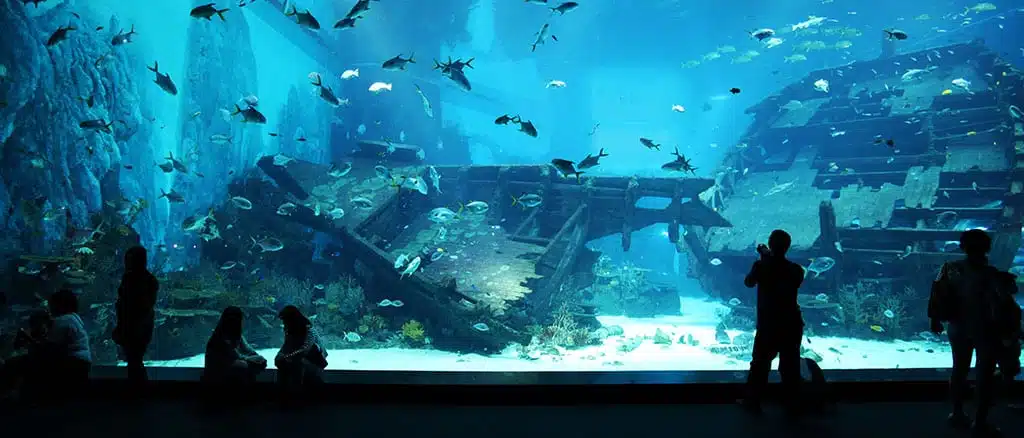
Source Images
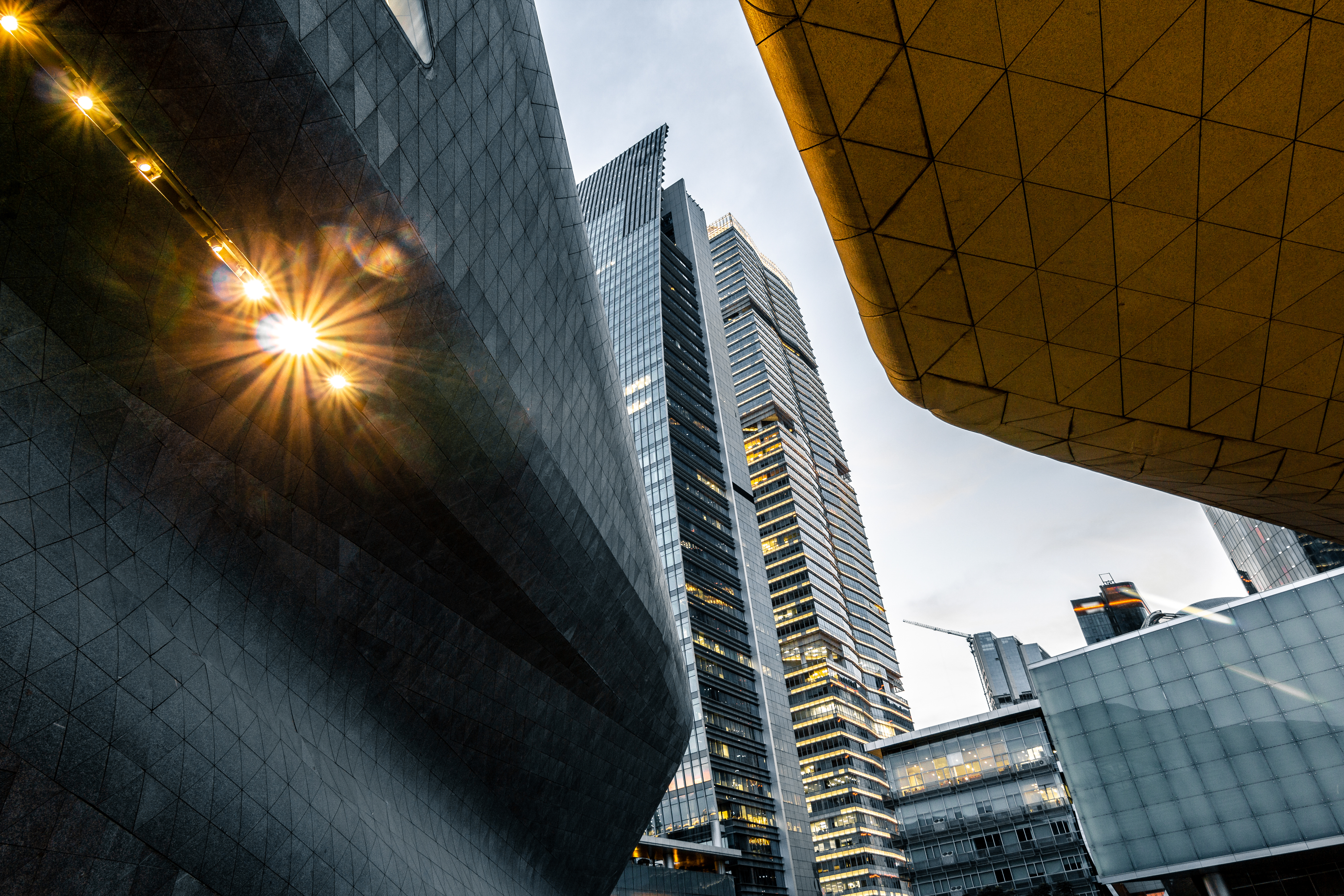
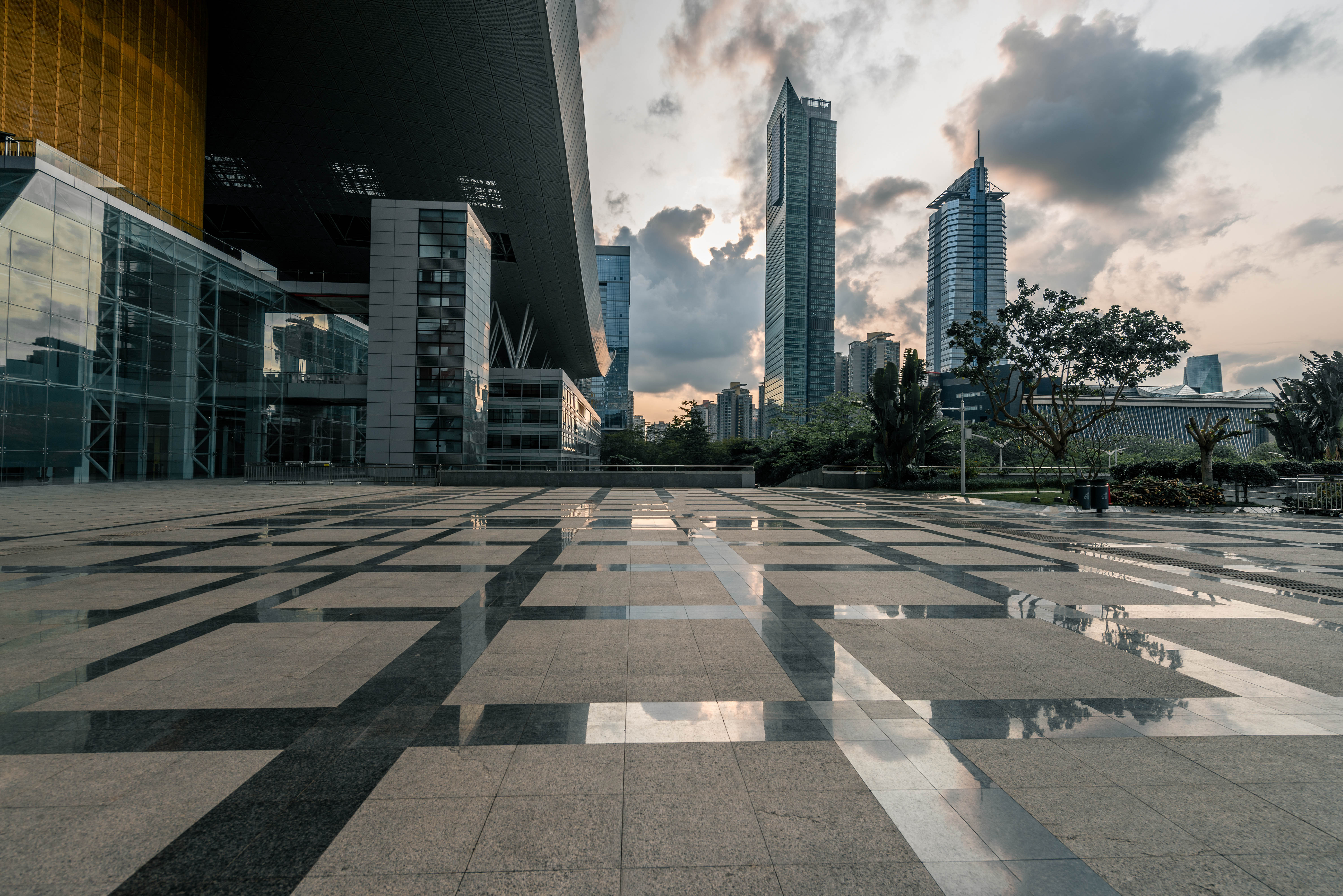
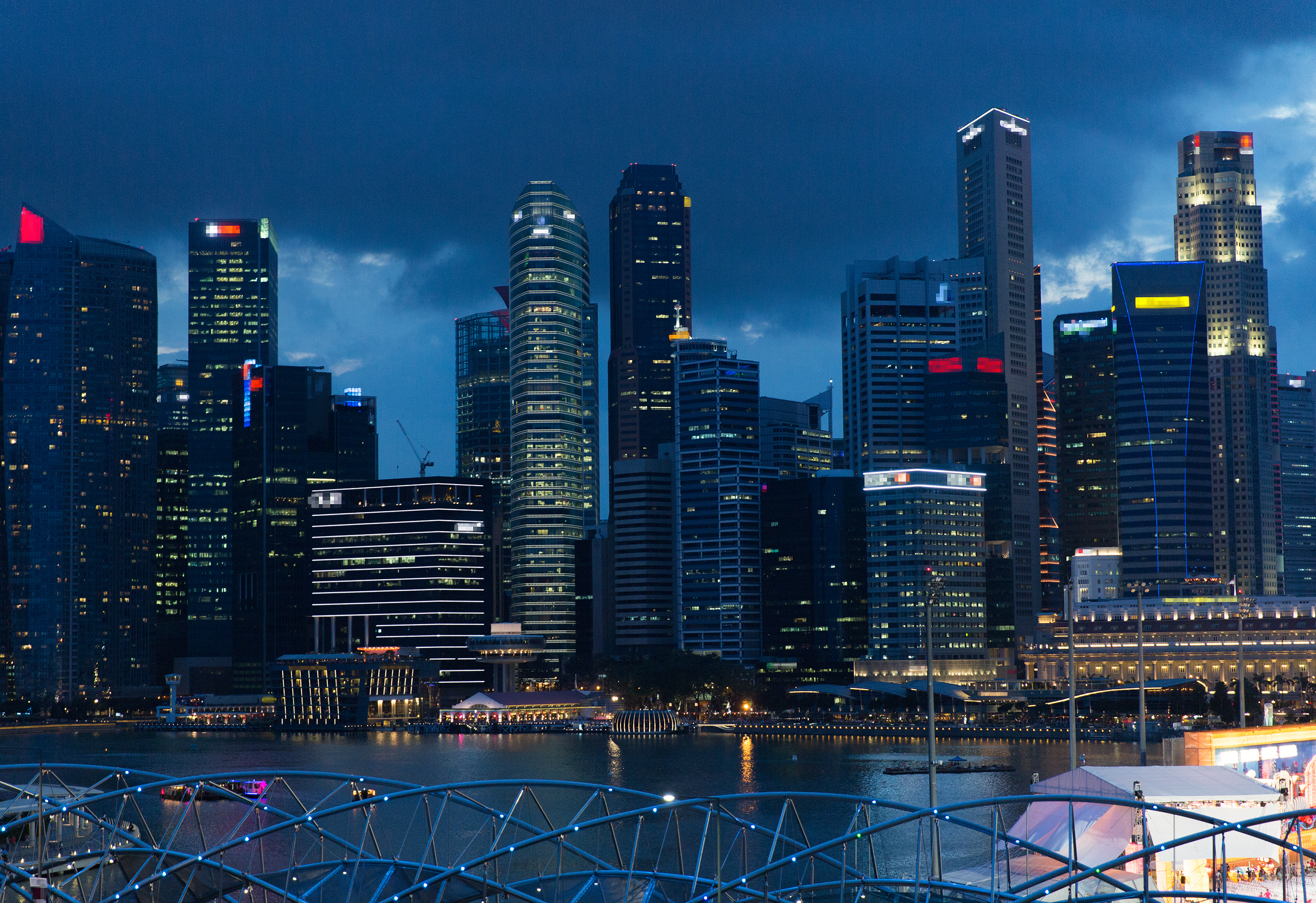
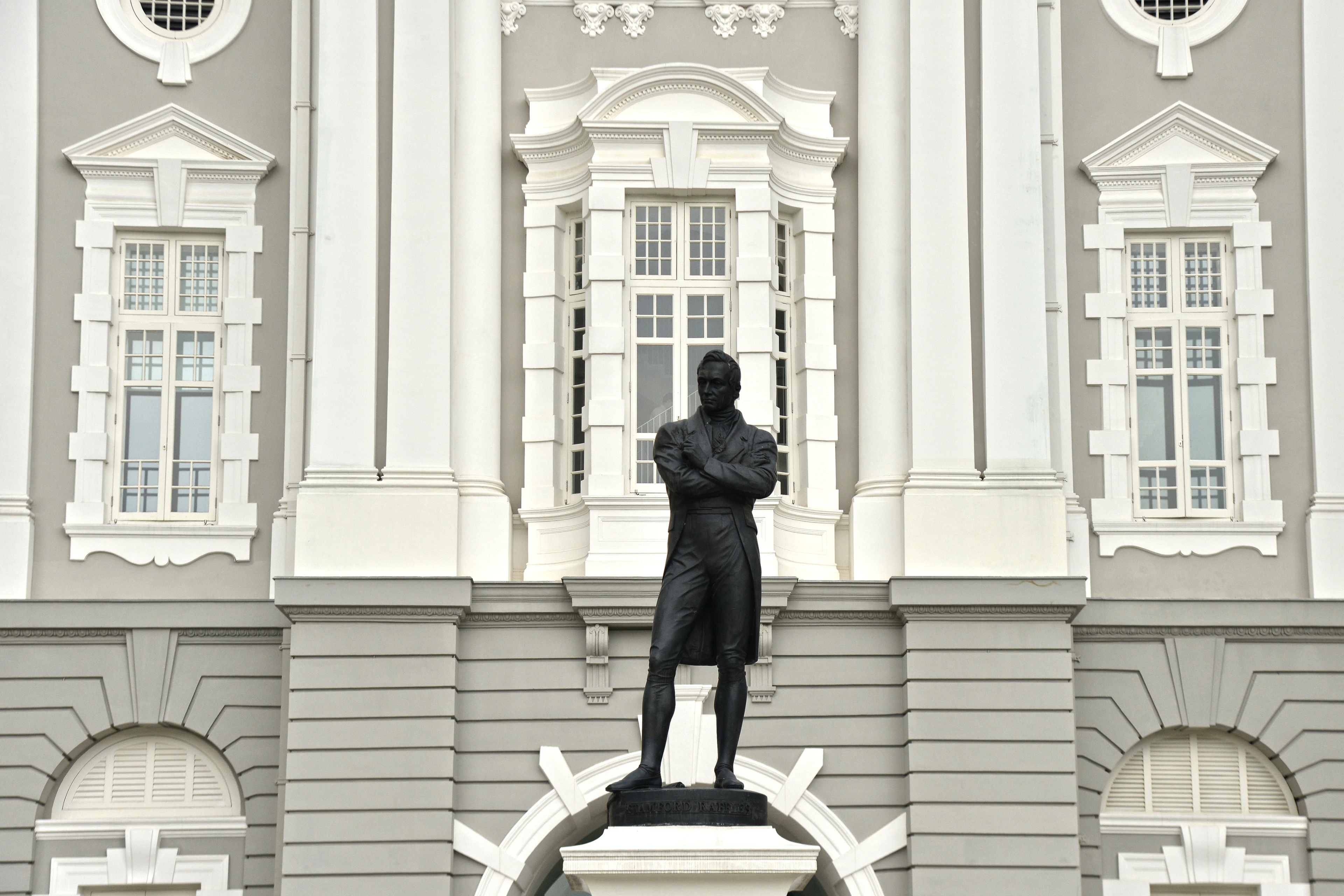
The following photographs were composited to create the Sentosa visual artifact above:
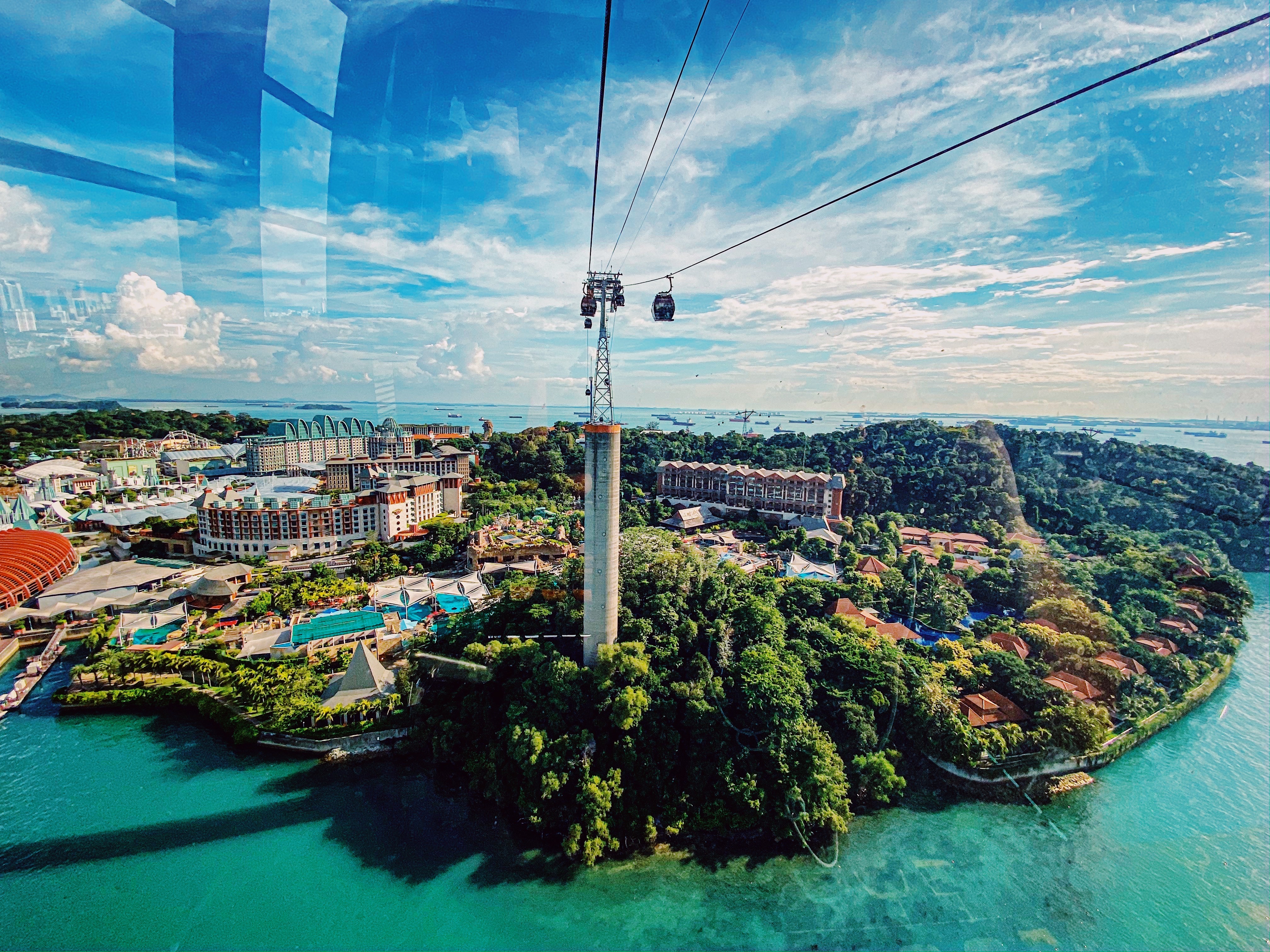
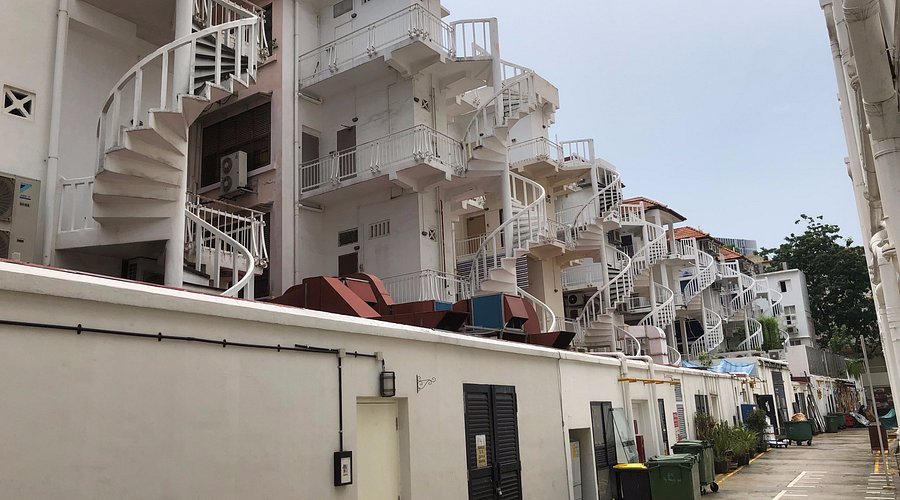
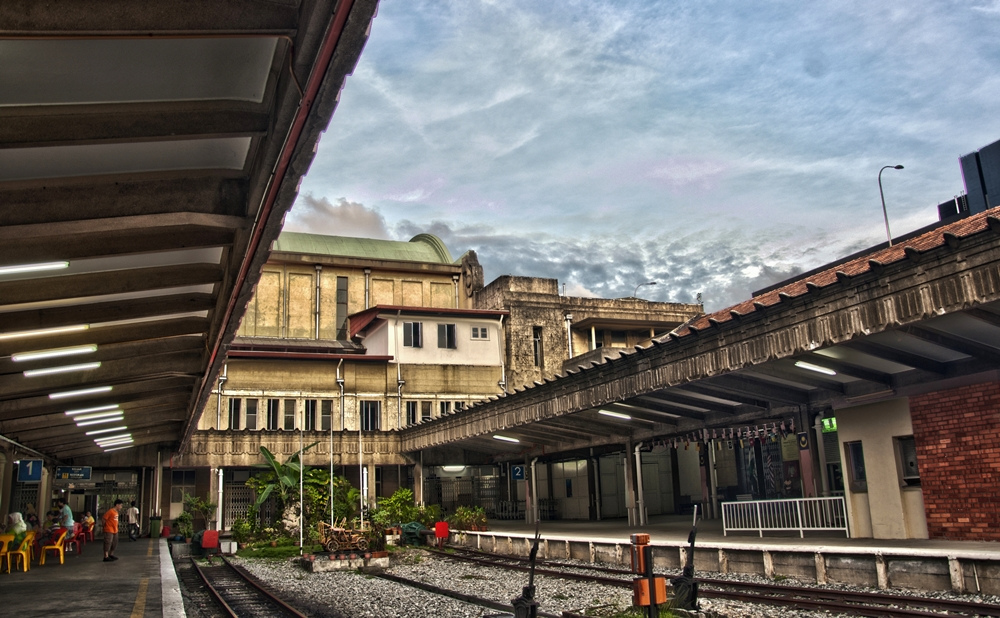
Tanjong Pagar
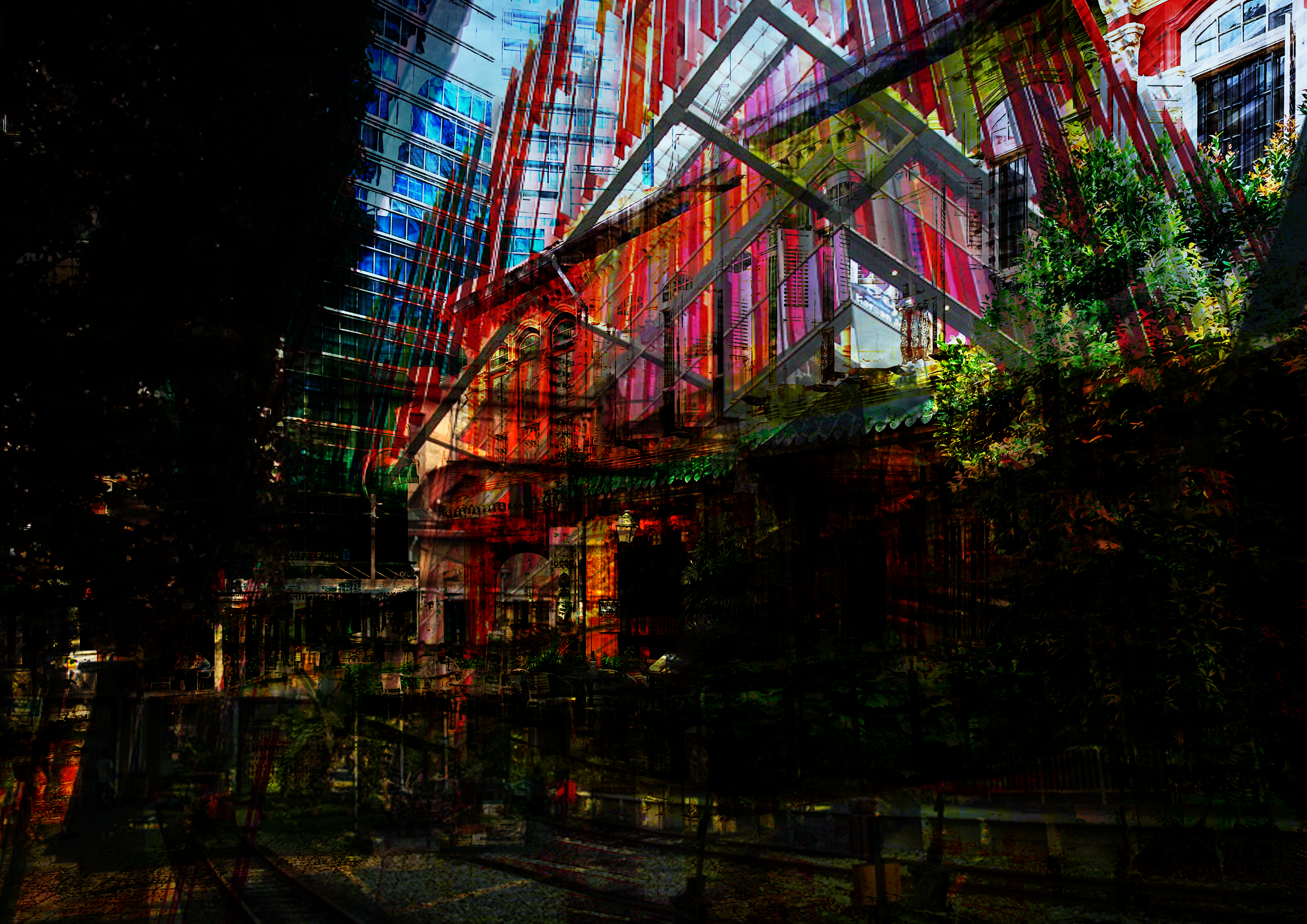
Tanjong Pagar Synthesized Noise Recording
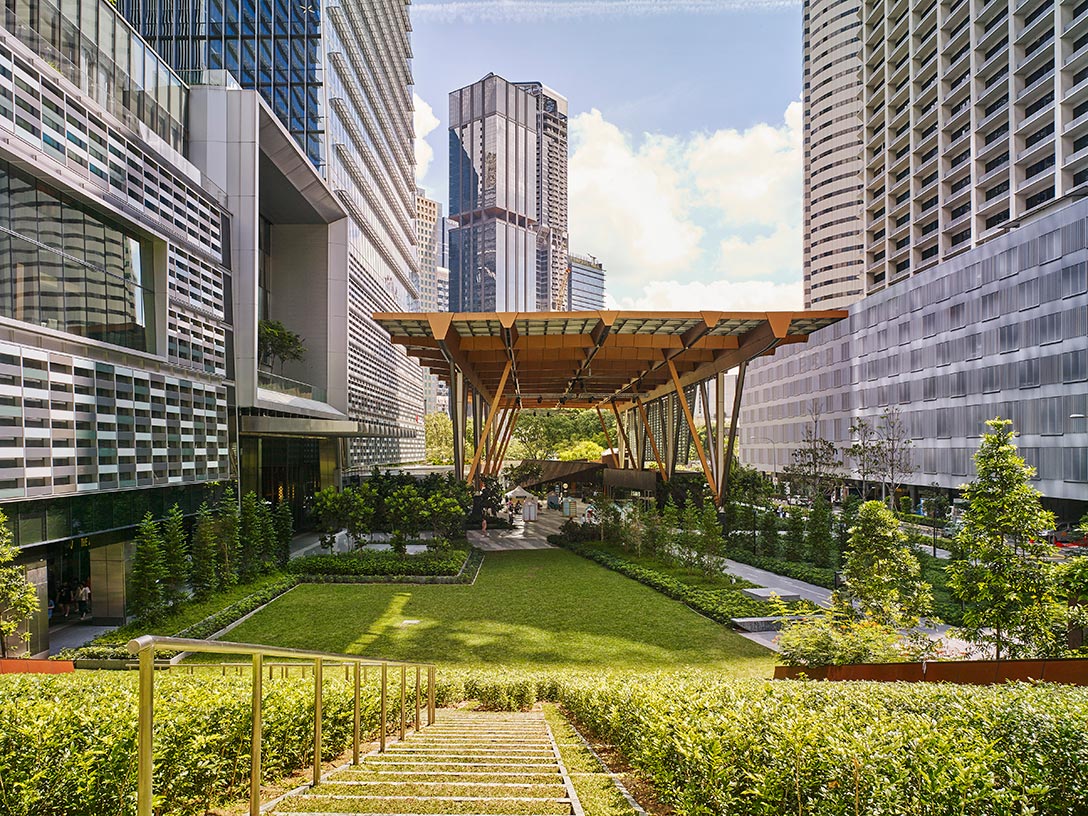
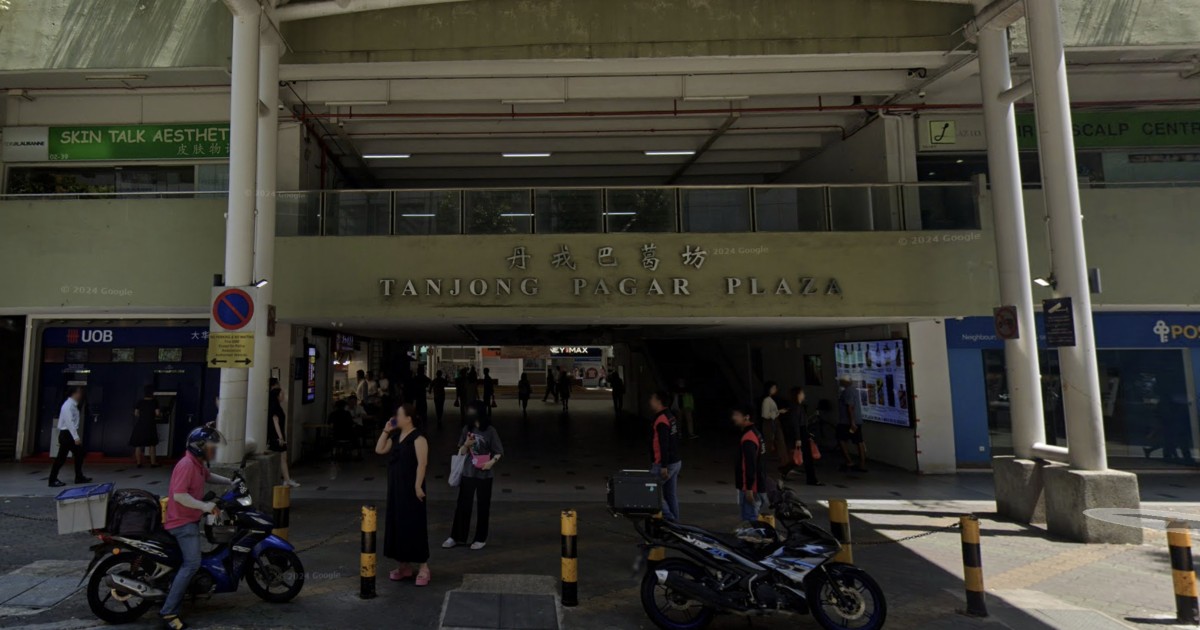
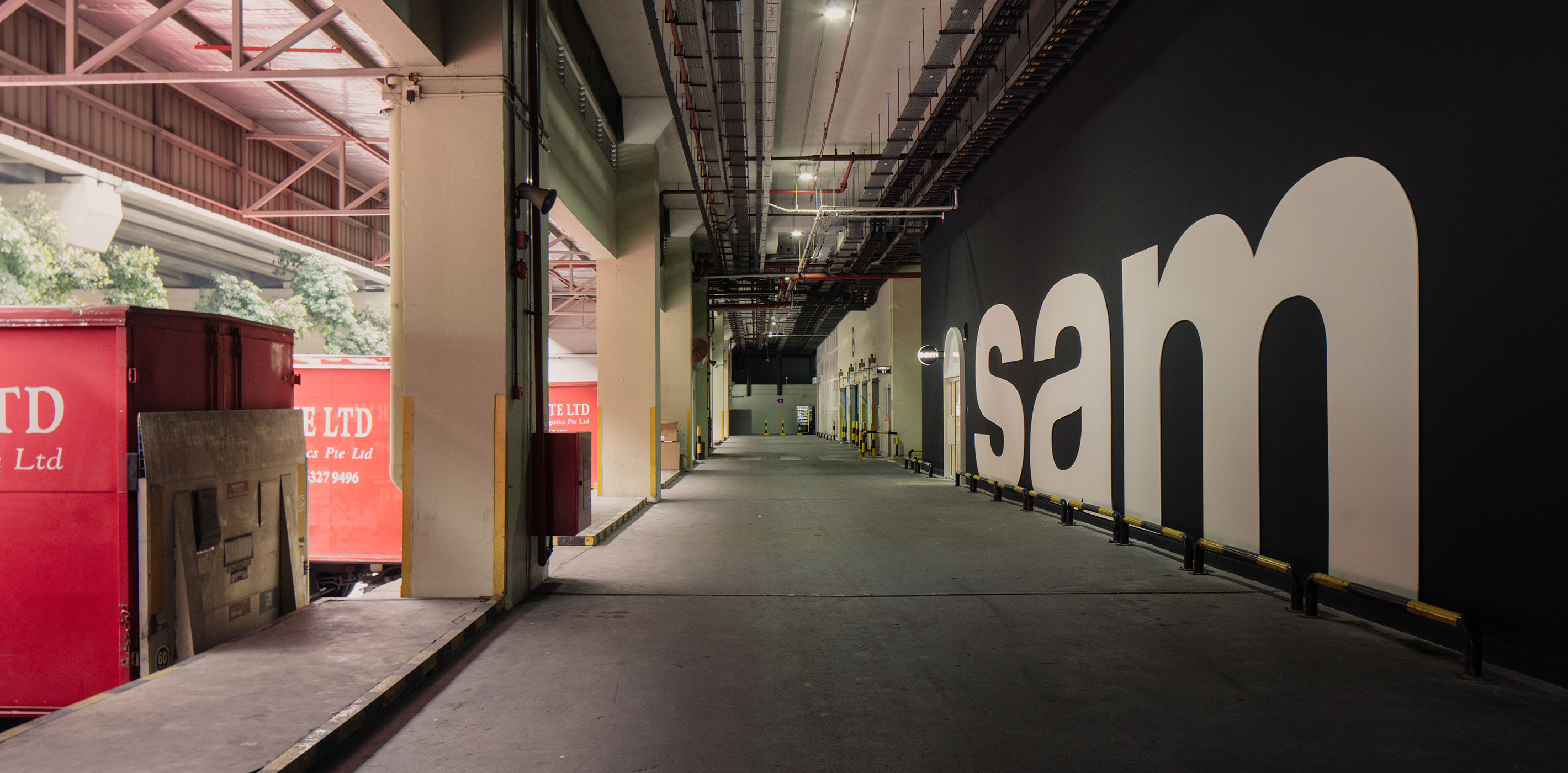
Source Images
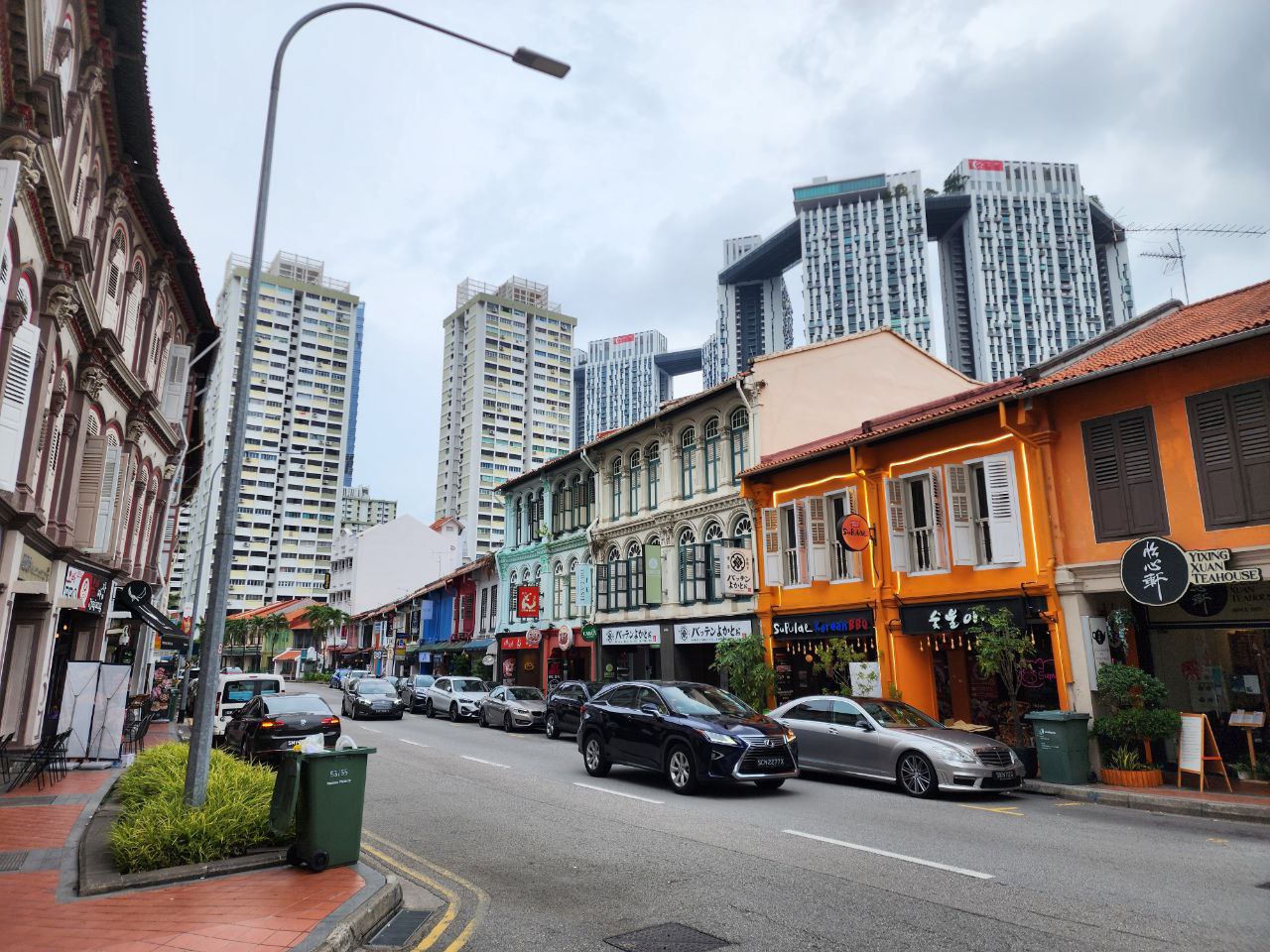
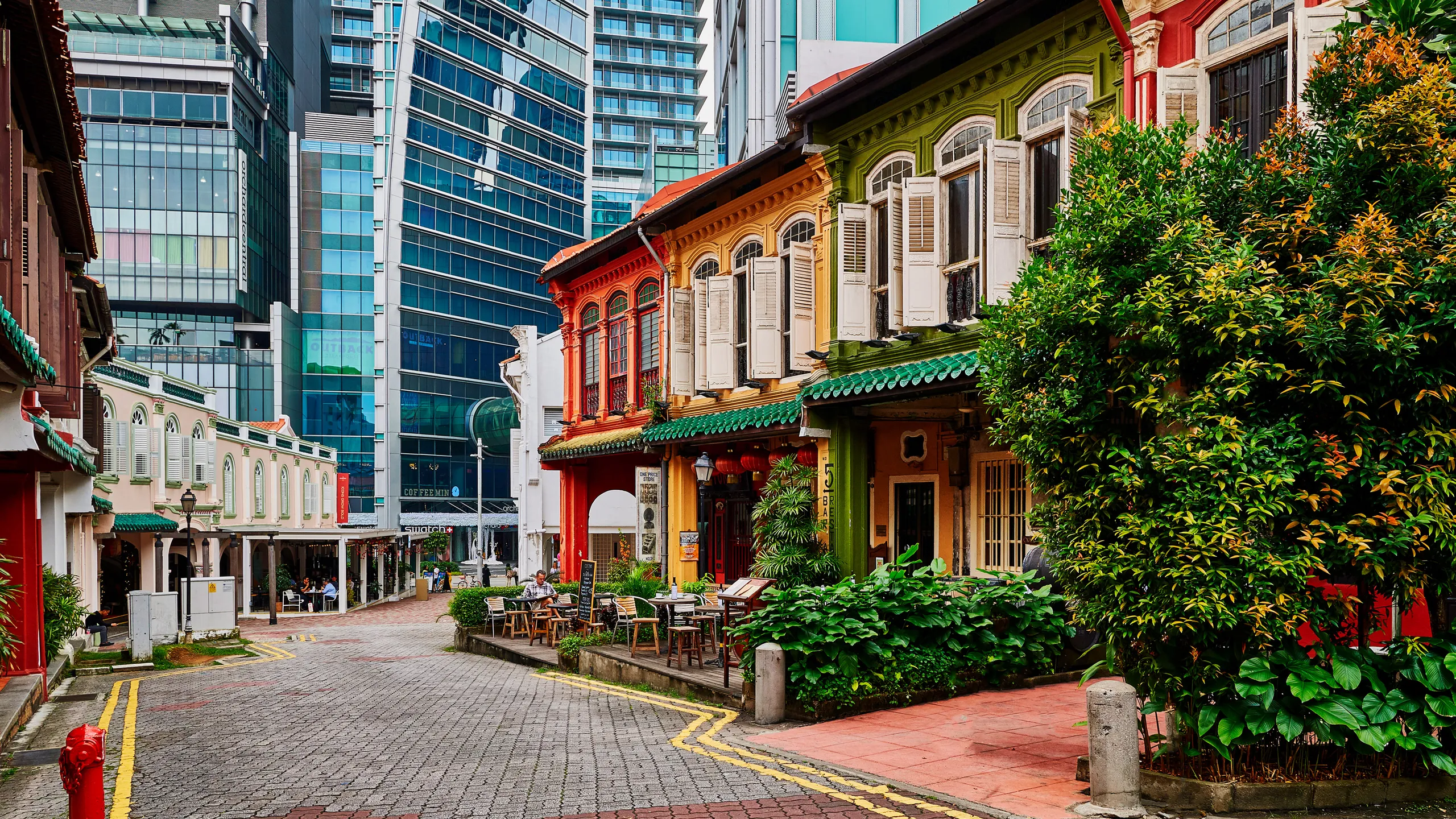
The following photographs were composited to create the Tanjong Pagar visual artifact above:
Reflection: From Documentation to Synthesis
The visual artifact creation process represents a careful balance between documentary authenticity and aesthetic transformation. Each image is grounded in real photographs of actual noise sources, yet the compositing process transforms these discrete elements into unified visual experiences that communicate more than simple documentation could achieve.
The use of Blender modes to naturally merge images, combined with deliberate introduction of noise and pixelation, creates a visual language that mirrors the sonic character it represents. Just as urban noise emerges from the collision and overlap of multiple sound sources, these visual artifacts emerge from the layering and blending of multiple photographic sources.
The challenge of calibrating visual intensity reflects a broader question: how can design make noise perceptible without becoming noise itself? The answer lies in precise control over visual parameters, creating compositions that are striking and memorable while remaining legible and aesthetically engaging.
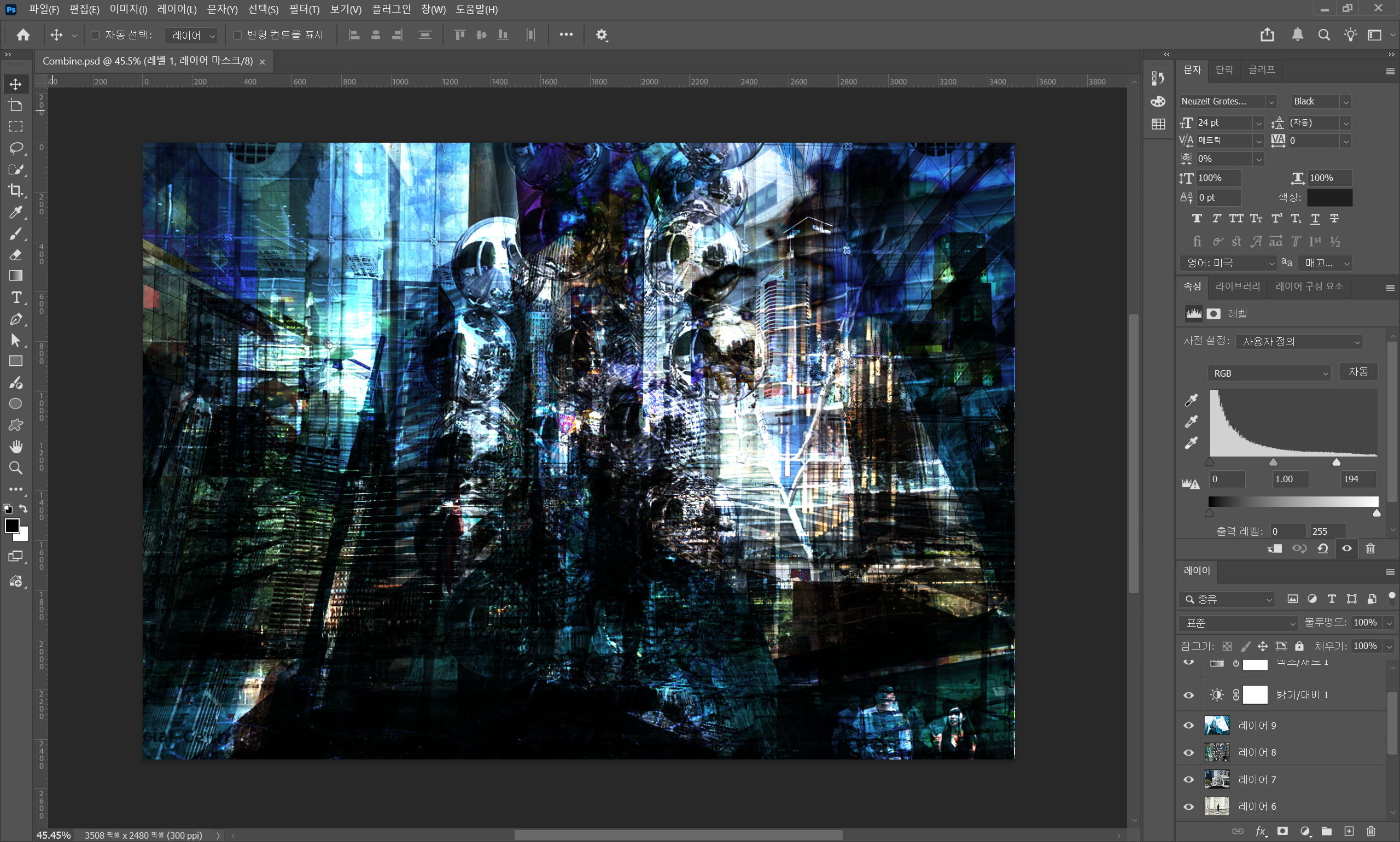
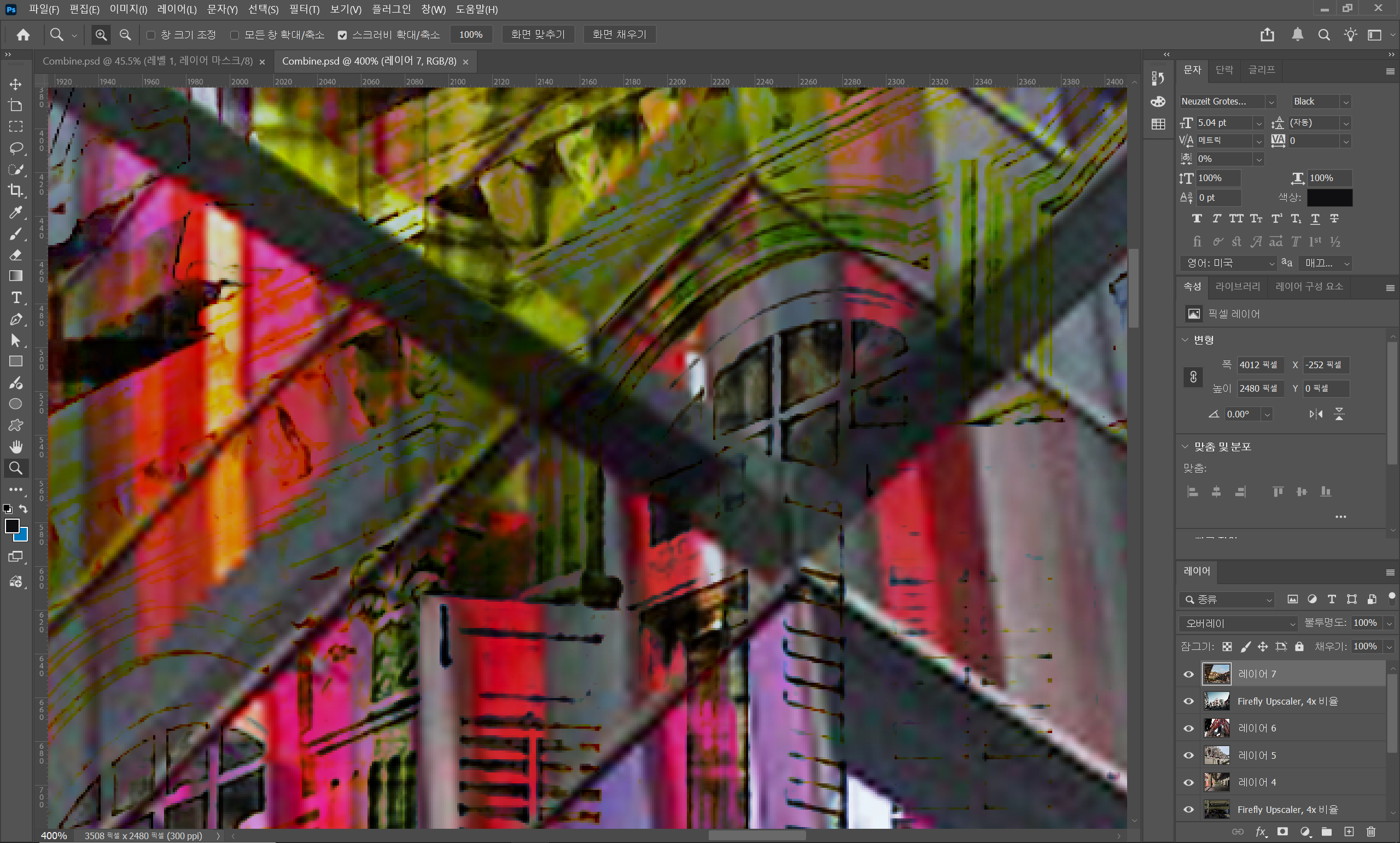
Working Progress: Development Process
The creation of visual artifacts involved extensive experimentation and iterative refinement. The following images document the working process, showing the development stages and technical approach used to composite source images into unified visual compositions.
This process required balancing multiple competing demands: maintaining visual clarity while introducing deliberate noise, creating aesthetic appeal while conveying sonic intensity, and synthesizing diverse photographic sources into coherent compositions. Each artifact underwent numerous iterations before achieving the desired balance.
Noise Catalog: Comprehensive Documentation Prototype
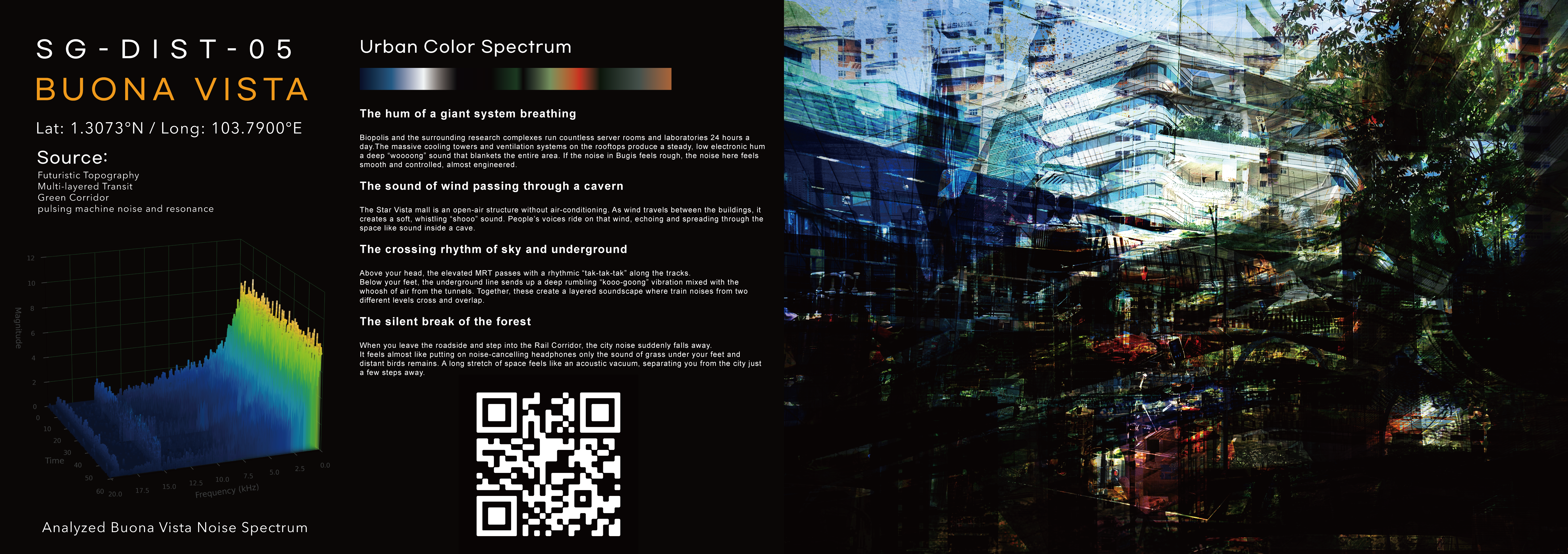
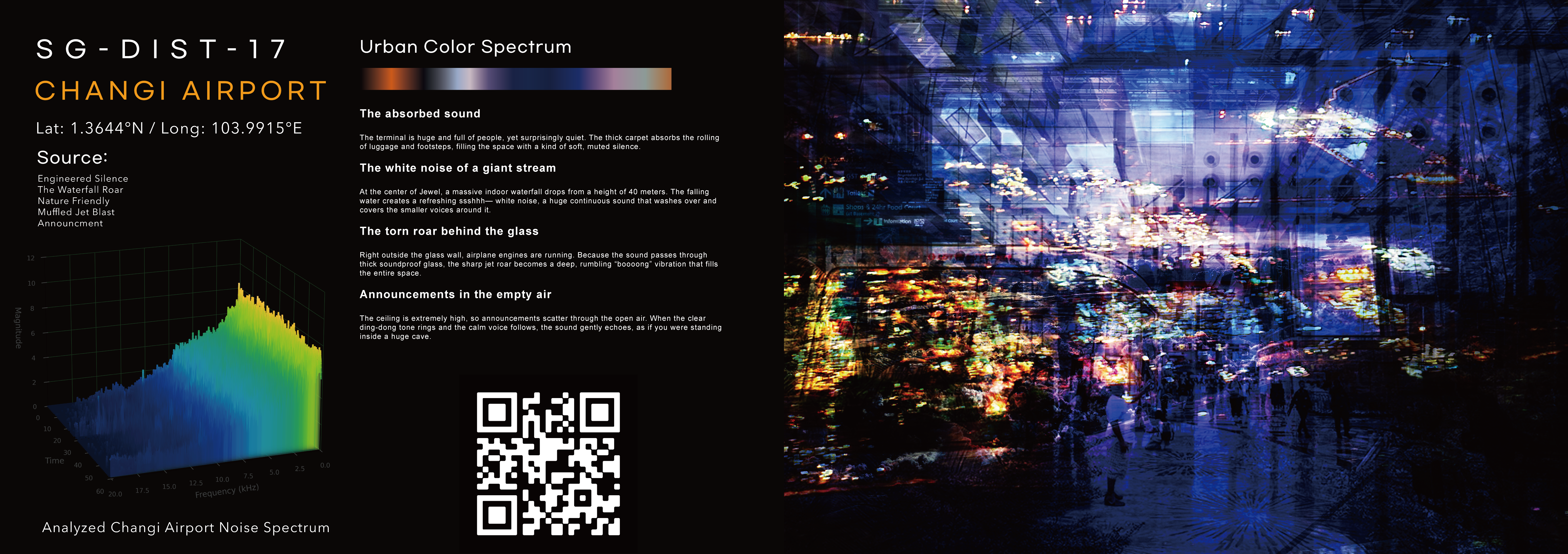
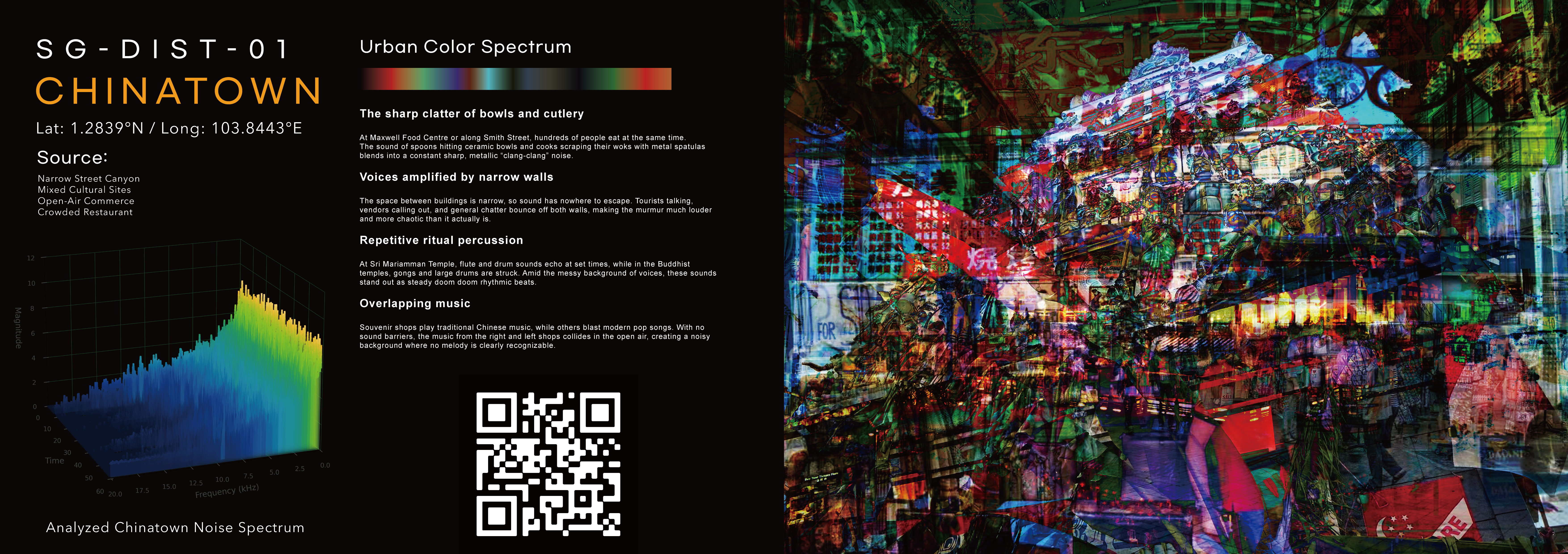
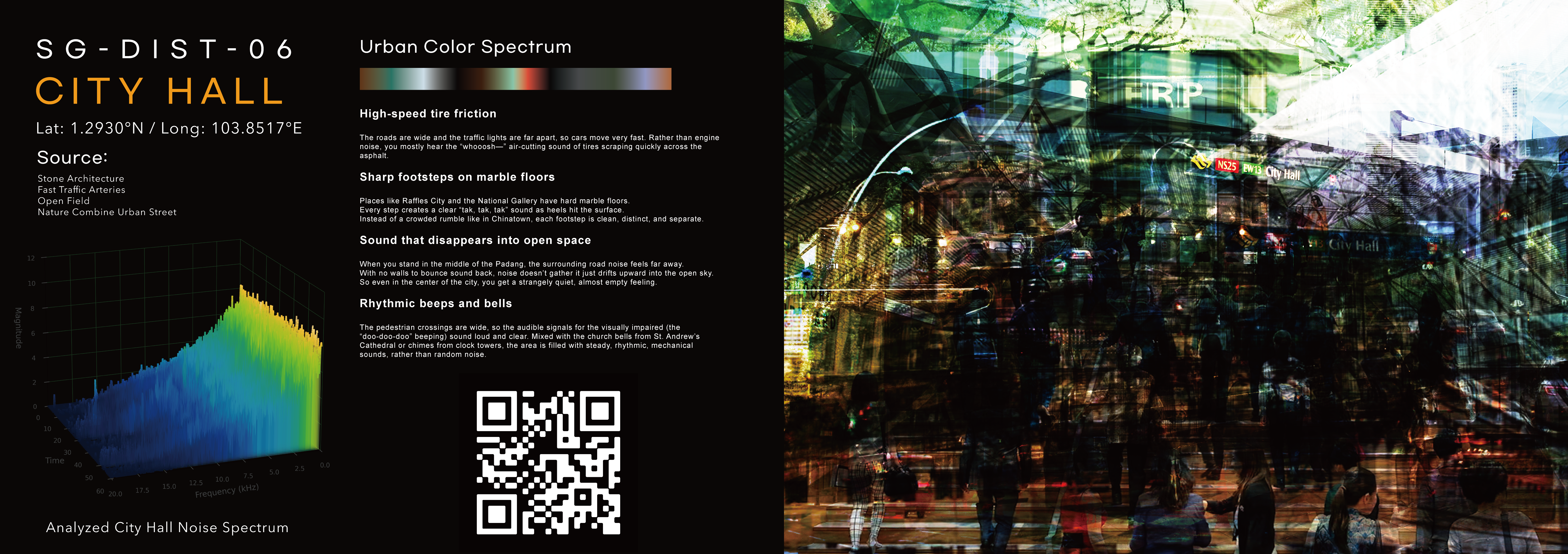
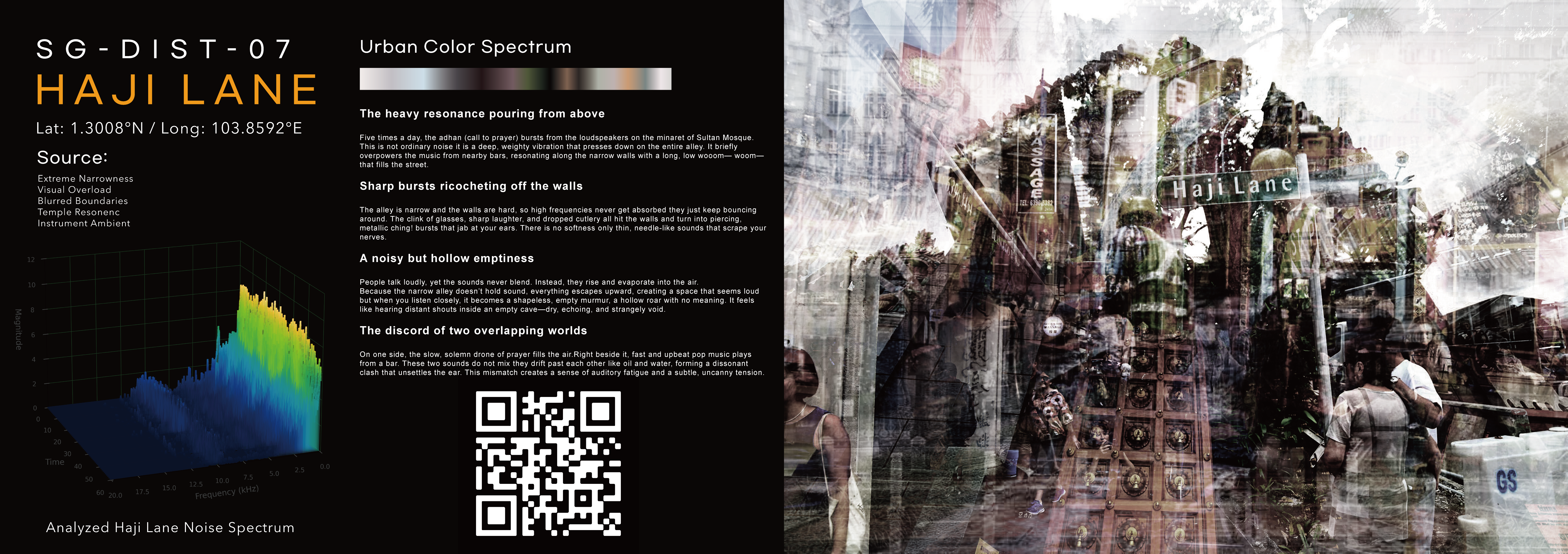
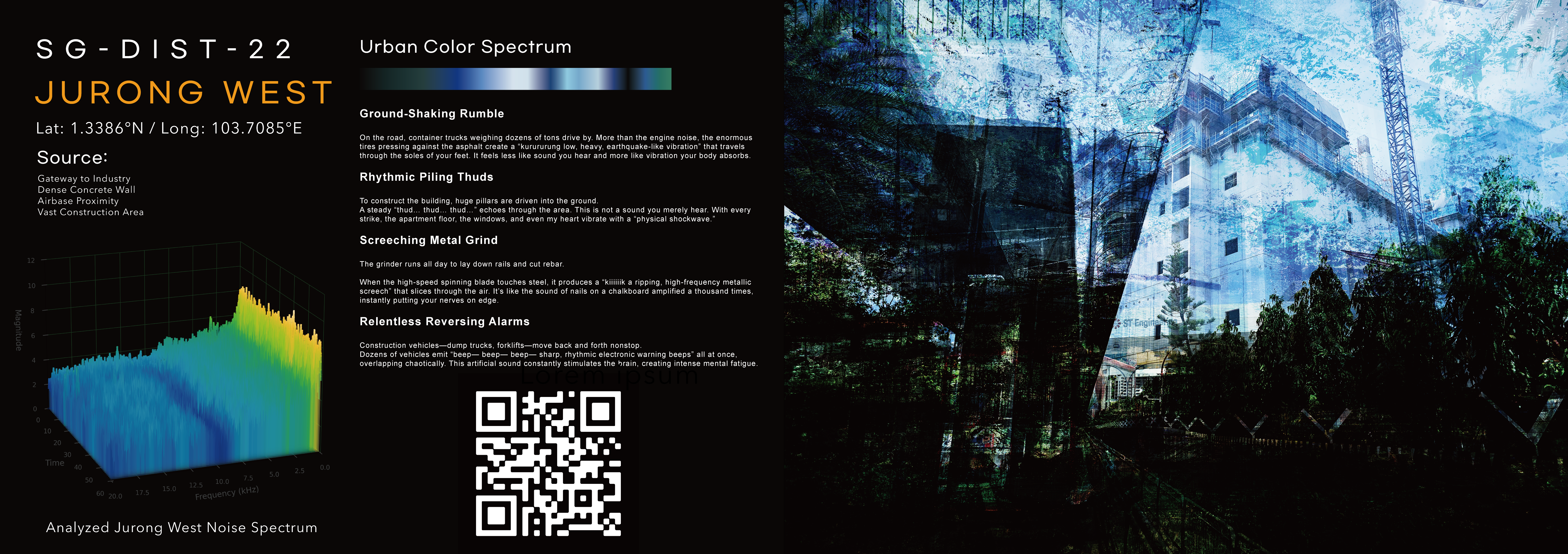
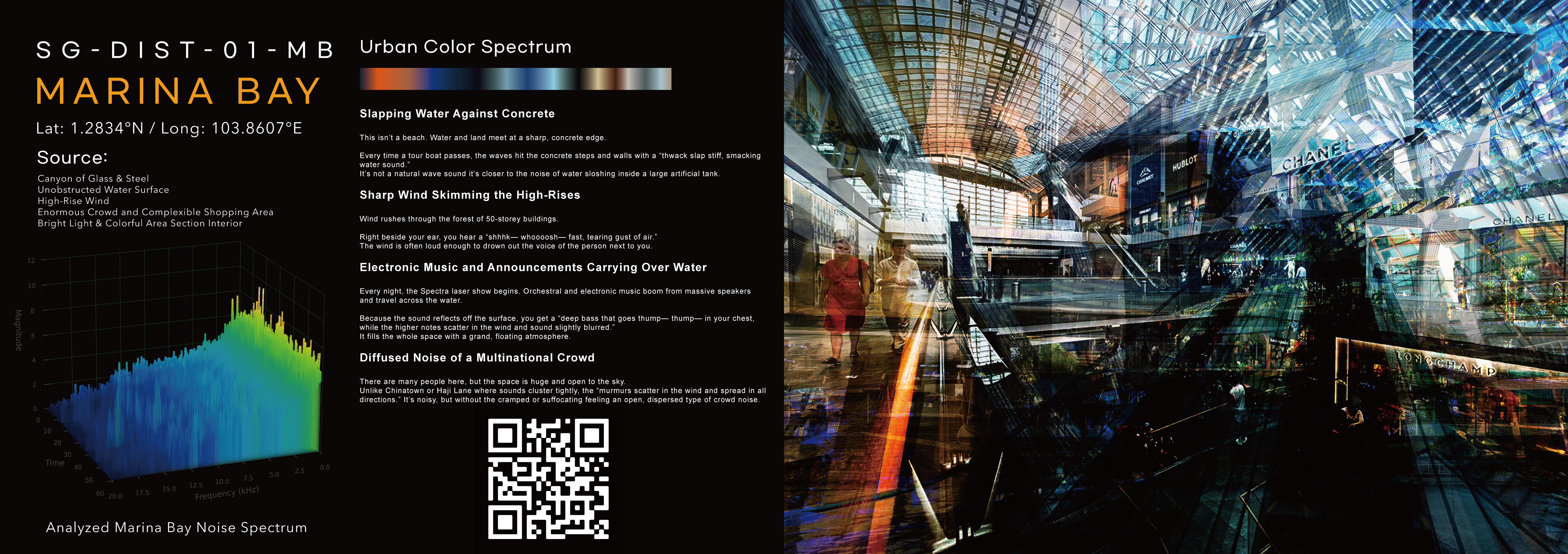
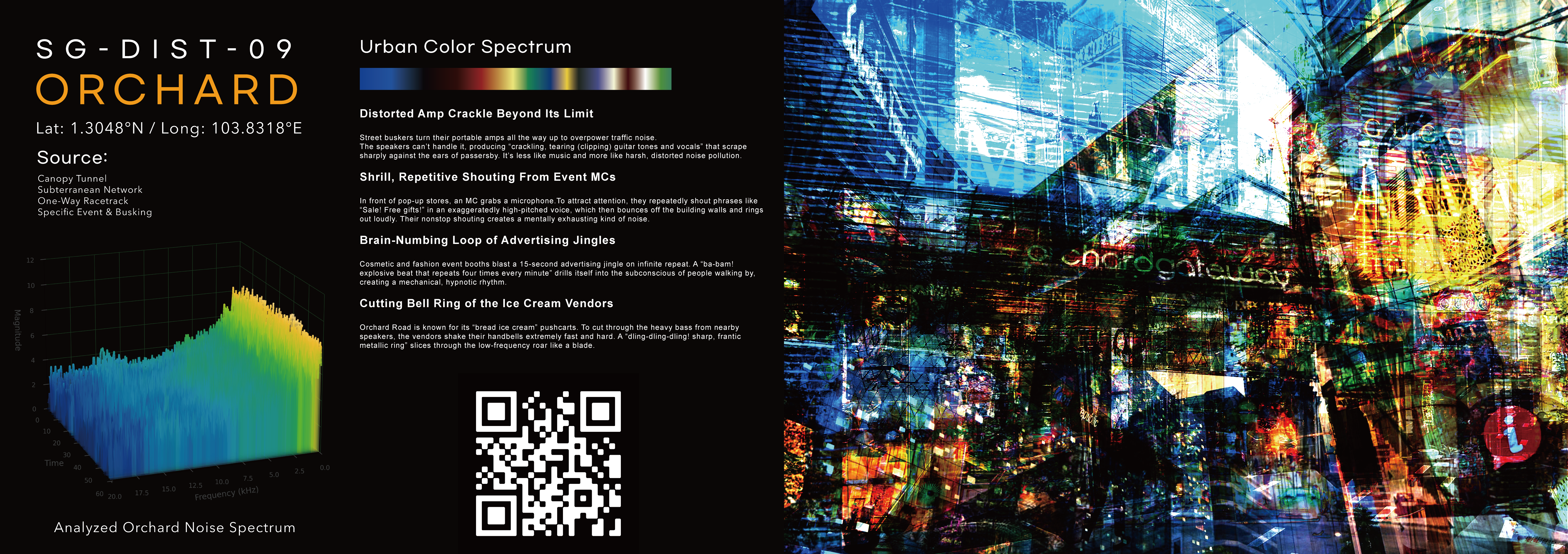
Beyond creating individual visual artifacts, Week 15 involved synthesizing all research materials into a comprehensive noise catalog prototype. This catalog functions as a documentation pamphlet that integrates visual artifacts, audio recordings, spectral analysis, and detailed location information into a unified reading experience.
The catalog was designed to provide deep understanding of each location's acoustic landscape through multiple informational layers. Each district entry includes:
- Environmental Characteristics: Description of the location's physical and cultural context
- Sonic Analysis: Detailed explanation of noise sources, styles, and acoustic qualities
- Visual Artifacts: The composite images created to represent the district's sonic character
- Audio Experience: Synthesized sound recordings accessible through mobile devices
- Spectral Visualization: AI-generated analysis of audio spectrum for enhanced comprehension
The catalog is designed for mobile device interaction, allowing readers to scan codes or tap links to experience the synthesized audio while viewing the visual artifacts. This multi-modal approach creates a richer, more immersive understanding of each location's noise landscape than any single medium could provide.
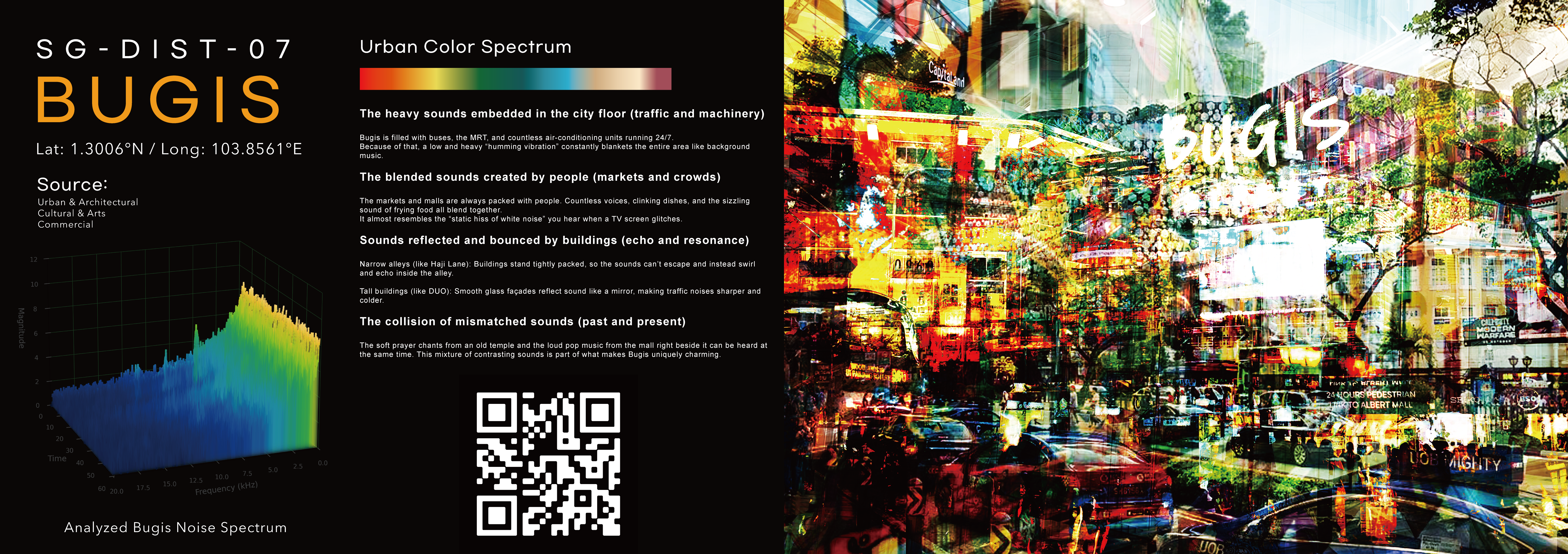
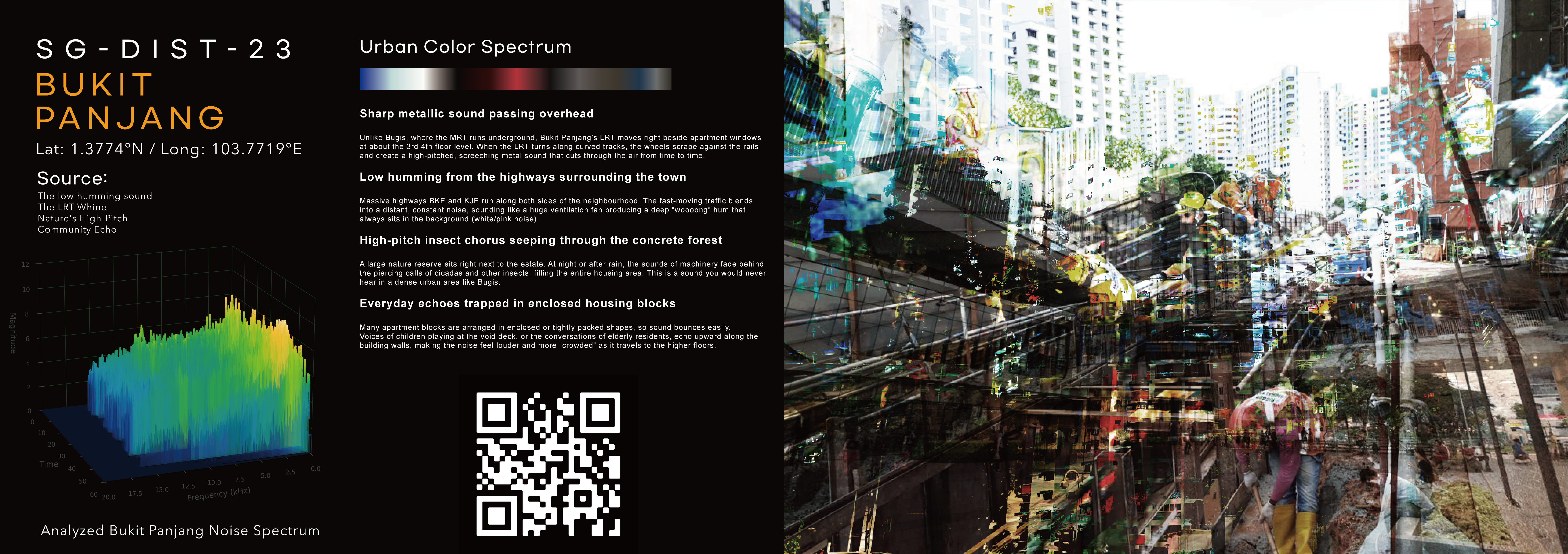
Noise Catalog Pages
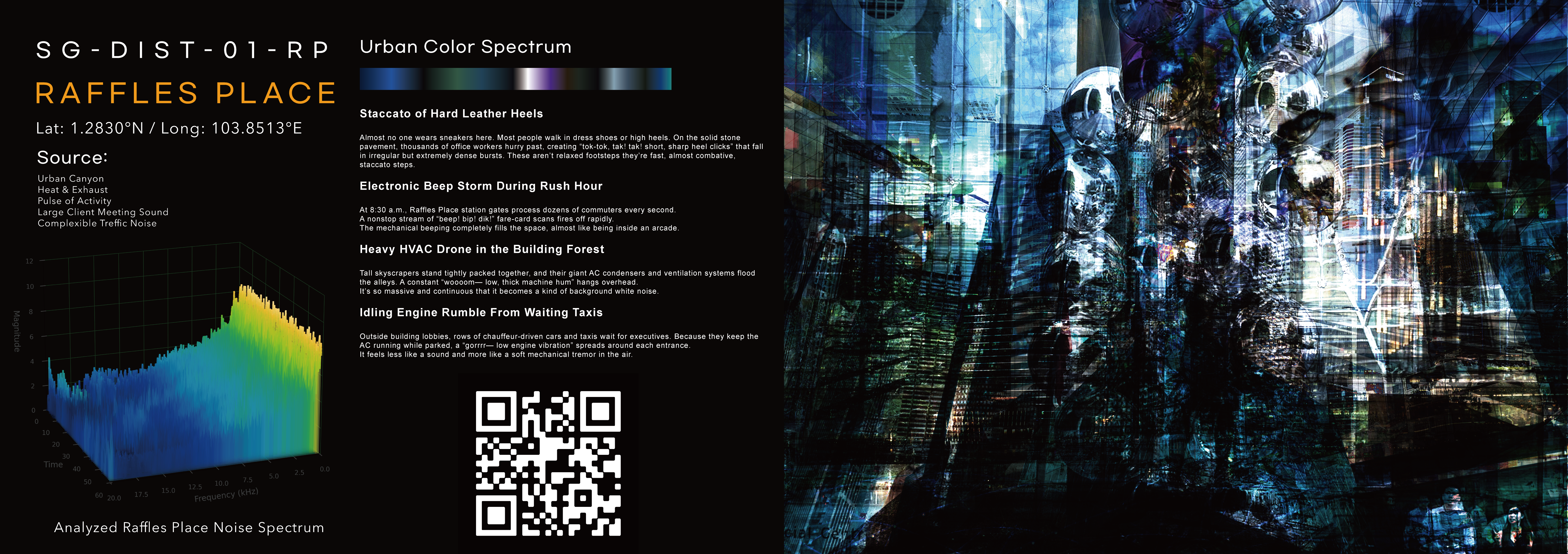
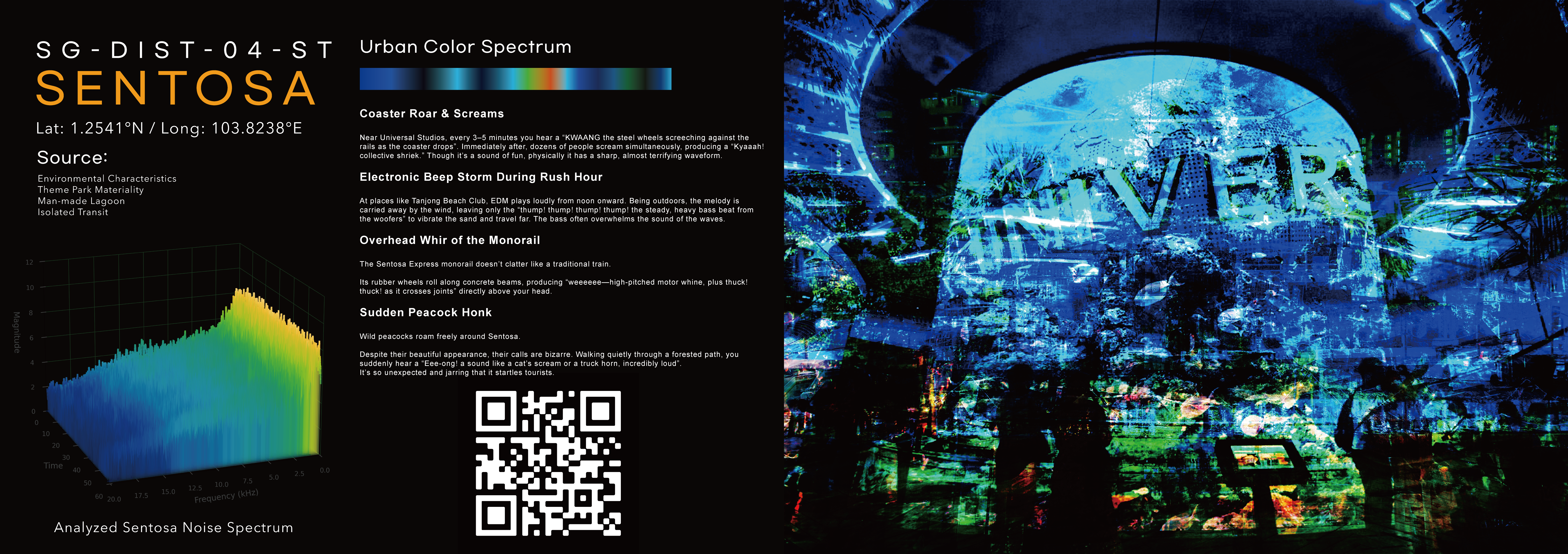
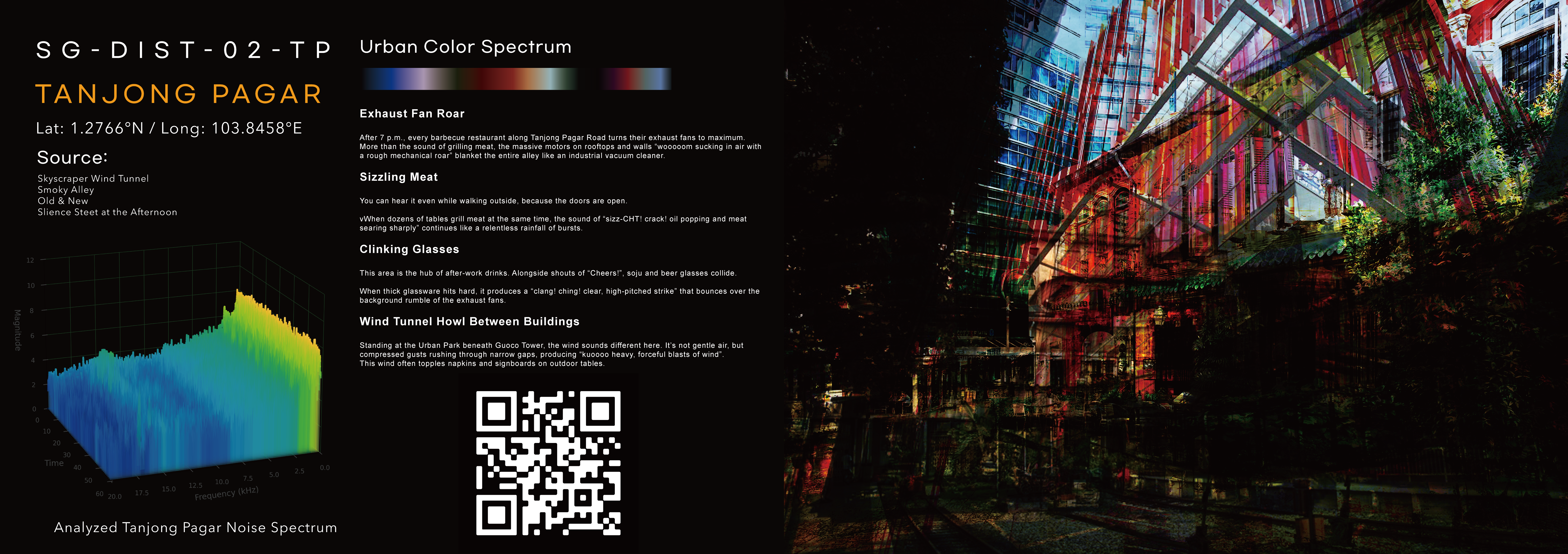
The following pages demonstrate the catalog's design and information architecture. Each spread integrates typography, imagery, data visualization, and interactive elements into a cohesive reading experience.
AI-Enhanced Spectral Visualization
An innovative component of the catalog is the integration of AI-generated spectral analysis. By processing the recorded and synthesized audio through AI analysis tools, I created visual representations of each location's acoustic spectrum.
These spectral visualizations serve multiple functions:
- Analytical Clarity: Making the frequency distribution and intensity patterns of noise visible and comprehensible
- Visual Correspondence: Creating a direct visual link between the audio experience and graphic representation
- Comparative Understanding: Allowing readers to see differences between locations' sonic signatures at a glance
- Aesthetic Integration: Providing additional visual elements that enhance the catalog's design while serving informational purposes
This approach demonstrates how AI tools can enhance authentic documentation without replacing it. The spectral analysis doesn't generate artificial noise representations; instead, it reveals the inherent structure of real recorded sounds, making the invisible acoustic properties of urban noise visible and analyzable.
Outcome
Week 15's development of visual artifacts and the noise catalog achieved several important outcomes:
- Created 13 composite visual artifacts representing each documented Singapore district
- Demonstrated methodology for transforming disparate noise sources into unified visual compositions
- Documented source photography to maintain transparency and validate authenticity
- Developed comprehensive catalog prototype integrating visual, audio, and analytical components
- Implemented AI-enhanced spectral visualization to reveal acoustic properties
- Achieved design coherence across complex multi-modal documentation system
- Created accessible framework for mobile device interaction with audio content
- Designed interactive expandable interface reducing page length while maintaining full access to all content
The visual artifacts and catalog represent a significant advancement in the project, transforming abstract field research into tangible, experienceable forms. These outputs demonstrate that noise documentation need not remain purely analytical; through careful design and synthesis, it can become aesthetically compelling while maintaining informational depth and authenticity.
Looking Ahead
With the visual artifacts and catalog complete, the semester's final week will focus on:
- Integrating all project components into a cohesive final presentation
- Refining the catalog based on user testing and feedback
- Preparing comprehensive documentation of the entire research process
- Synthesizing insights from the semester's explorations into clear conclusions
- Presenting the complete "Shape of Noise" project to faculty and peers